55,000+ Esoteric Books Free + Modern Compare Prices
Home Collections Revelation
📖

Revelation: Books on Prophecy, Mysticism, and the Occult

Books on revelation trace themes of divine communication, hidden knowledge, and prophetic visions across history. Selections range from medieval German mystics, as compiled by William Ralph Inge in 'Light, Life, and Love,' to historical investigations of witchcraft and occult practices. This reading list provides structured pathways for understanding these complex subjects, moving from introductory overviews to advanced textual analysis. Readers will gain insight into historical beliefs, symbolic systems, and the evolution of esoteric thought.

Top Revelation Books

25 Revelation books
Four Weird Tales
📖
Four Weird Tales
Blackwood, Algernon
4.3
69
Illuminated Manuscripts
📖
Illuminated Manuscripts
Bradley, John William
4.3
70
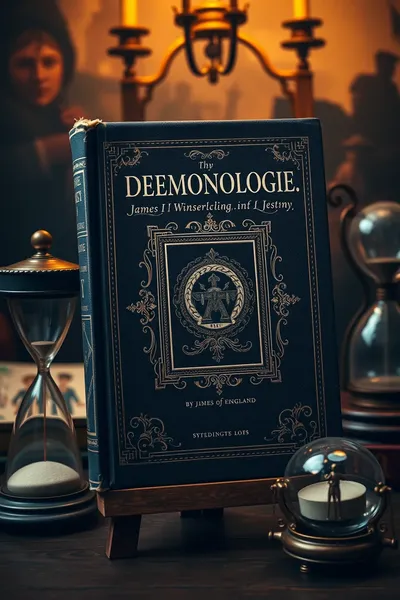
Daemonologie.
📖
Daemonologie.
James I, King of England
4.3
71
Evening Incense
📖
Evening Incense
Macduff, John R. (John Ross)
4.2
69
HIDDEN GEM
The Gnostic Crucifixion
📖
The Gnostic Crucifixion
Mead, G. R. S. (George Robert Stow)
4.2
69
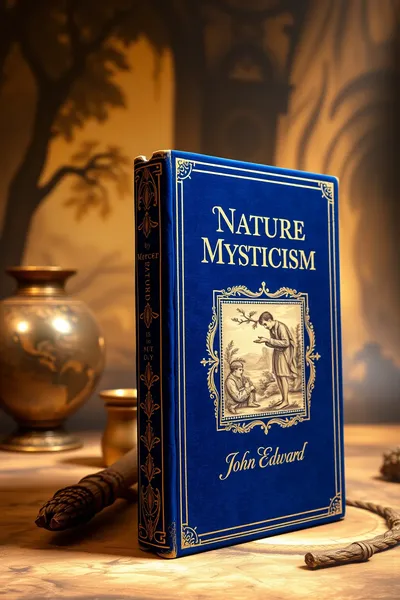
Nature Mysticism
📖
Nature Mysticism
Mercer, John Edward
4.3
69
Practical astrology
📖
Practical astrology
Middleton, John, Philomath
4.3
71
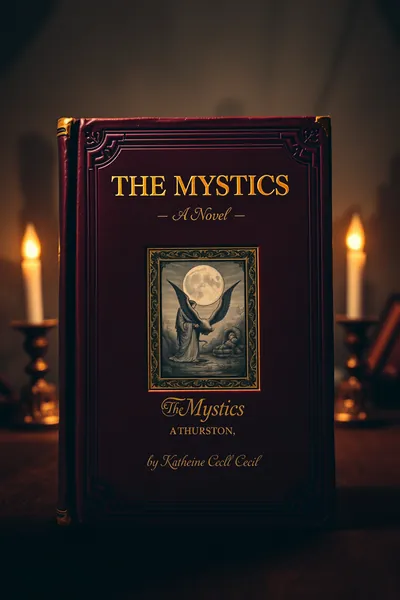
The Mystics: A Novel
📖
The Mystics: A Novel
Thurston, Katherine Cecil
4.2
69
TRENDING
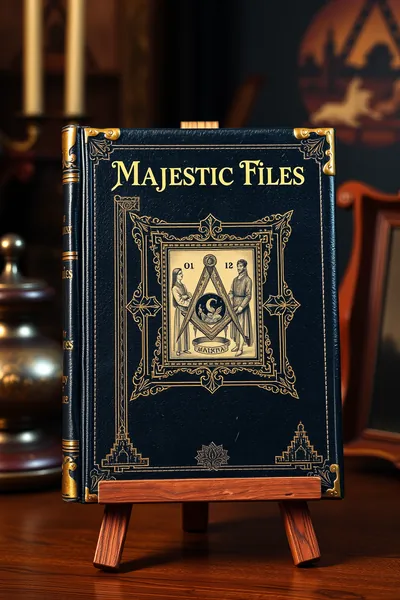
Majestic Files
📖
Majestic Files
http://j.mp/MindSpaceApocalypse
4.5
76
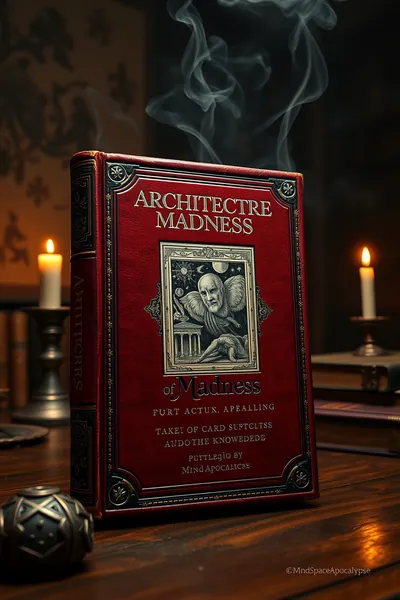
Architecture Of Madness
📖
Architecture Of Madness
http://j.mp/MindSpaceApocalypse
4.4
74

What is Revelation?

Revelation refers to the disclosure of divine will or truth, often through supernatural means. This can manifest as prophecy, visions, or direct spiritual insight. Historically, the concept has been central to many religious traditions, influencing theological development and mystical practices. The study of revelation often intersects with the history of magic, witchcraft, and alchemy, examining how individuals or groups claimed access to hidden knowledge and future events.

Best Books for Complete Beginners

For those new to the subject, start with foundational texts that offer broad overviews. 'The Witchcraft Delusion in Colonial Connecticut (1647-1697)' by John M. Taylor provides a historical case study of belief and persecution. 'Ancient Pagan and Modern Christian Symbolism' by Thomas Inman explores how symbols carry hidden meanings across belief systems. 'The Tempest' by William Shakespeare offers a literary exploration of magic and supernatural influence. 'Prophetical, Educational and Playing Cards' by Mrs. John King Van Rensselaer introduces the divinatory use of symbolic imagery.

Intermediate Reading

Building on initial knowledge, delve into more specific areas. James I's 'Daemonologie' offers a contemporary perspective on witchcraft beliefs from a monarch. John Gregory Bourke's 'Scatalogic Rites of All Nations' examines unusual ritualistic practices across cultures. 'A New Light of Alchymie' by Michal Sedziwój presents alchemical theories. 'Witch, Warlock, and Magician' by W. H. Davenport Adams provides historical sketches of magic and witchcraft in Britain.

Classical / Advanced Texts

Serious students will find value in primary sources and detailed analyses. 'Light, Life, and Love: Selections from the German Mystics of the Middle Ages' edited by William Ralph Inge offers direct access to medieval mystical thought. John Uri Lloyd's 'Etidorhpa; or, The End of Earth' is a complex allegorical work exploring philosophical and scientific themes. 'The Gnôsis of the Light' by F. Lamplugh delves into Gnostic concepts. Illuminated manuscripts, as discussed in works like J. H. Middleton's 'Illuminated manuscripts in classical and mediaeval times,' represent a rich visual and textual tradition of esoteric knowledge.

Reading Order — Step by Step

Begin with a broad historical context. Weeks 1-2: Read John M. Taylor's 'The Witchcraft Delusion in Colonial Connecticut' and Thomas Inman's 'Ancient Pagan and Modern Christian Symbolism' to grasp historical beliefs and symbolic interpretation. Month 2: Move to more specific historical accounts and theories with James I's 'Daemonologie' and W. H. Davenport Adams' 'Witch, Warlock, and Magician.' Also, explore alchemical ideas in Michal Sedziwój's 'A New Light of Alchymie.' Month 3+: Engage with primary mystical texts like 'Light, Life, and Love' and delve into complex allegories such as John Uri Lloyd's 'Etidorhpa'.

Frequently Asked Questions

Which Revelation book should I read first?

For a beginner, start with 'The Witchcraft Delusion in Colonial Connecticut' by John M. Taylor. It offers a clear historical case study of beliefs related to the supernatural and their societal consequences.

What is the difference between prophecy and revelation?

Revelation is the broader concept of disclosing divine will or hidden knowledge. Prophecy is a specific form of revelation, typically involving the foretelling of future events.

Are witchcraft and occult studies related to revelation?

Yes, historically and thematically, witchcraft and occult practices often involve claims of accessing hidden knowledge, divine inspiration, or supernatural forces, aligning with aspects of revelation.

What are illuminated manuscripts and how do they relate?

Illuminated manuscripts are medieval books decorated with elaborate illustrations and text. They often contained religious, philosophical, or esoteric content, serving as visual and textual repositories of knowledge, including ideas related to revelation.

How did medieval mystics understand revelation?

Medieval mystics, such as those compiled in 'Light, Life, and Love,' understood revelation as direct spiritual apprehension of the divine, achieved through intense contemplation and inner experience, rather than solely external pronouncements.

Is alchemy a form of revelation?

Alchemy can be seen as a pursuit of hidden knowledge, often framed as uncovering the secrets of nature and the cosmos, which aligns with the concept of revelation as the uncovering of profound truths.

Where can I find primary sources on ancient pagan beliefs?

Works like John Lord's 'Beacon Lights of History, Volume 01' and Thomas Inman's 'Ancient Pagan and Modern Christian Symbolism' discuss ancient pagan civilizations and their belief systems, offering insights into pre-Christian forms of understanding the divine.

What is the significance of symbolism in studying revelation?

Symbolism is crucial because many revelations and esoteric traditions communicate complex ideas through symbols. Understanding these symbols, as explored in works like Thomas Inman's, unlocks deeper layers of meaning in religious and mystical texts.

Why Each Book Matters

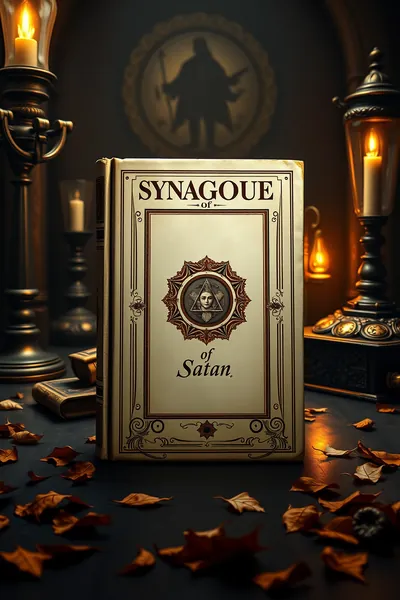
Synagogue of Satan

Synagogue of Satan

Synagogue of Satan, a text of unknown authorship, is often cited in discussions of secret societies and alleged hidden power structures. It purports to expose a clandestine group influencing world events, appealing to those seeking a 'revelation' of what they believe to be the true controllers behind the scenes, though its claims are widely disputed.

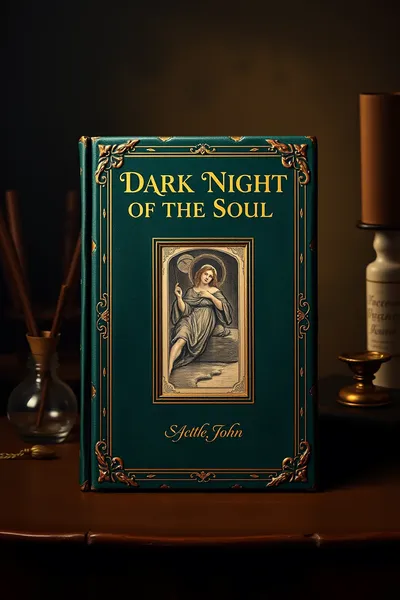
Dark Night of the Soul

Dark Night of the Soul

Dark Night of the Soul, attributed to the 16th-century Spanish mystic Saint John of the Cross, describes a spiritual crisis on the path to union with God. This profound mystical work details the painful purification of the soul, a necessary process that ultimately leads to a deeper, more complete Revelation of divine love and presence.

Moose Jaw times (1899-08-11)

Moose Jaw times (1899-08-11)

The Moose Jaw times (1899-08-11) offers a fascinating historical 'revelation' of daily life, news, and social concerns in a specific Canadian community at the turn of the 20th century. While not esoteric in content, it provides a direct glimpse into the past, revealing the mundane and significant events that shaped a community's reality.

Arena magazine - Volume 12

Arena magazine - Volume 12

by B.O. Flower (ed.)

Arena magazine - Volume 12, edited by B.O. Flower, represents a significant cultural and social commentary publication from the late 19th and early 20th centuries. This volume, published in 1895, serves as a historical 'revelation' of progressive thought, social issues, and intellectual debates of its time, including discussions on spiritualism and reform.

The Camp of the Dog

The Camp of the Dog

by Blackwood, Algernon

Algernon Blackwood's The Camp of the Dog, published in 1917, is a thrilling tale that blends adventure with supernatural elements. The narrative often involves characters confronting mysterious forces in remote wilderness settings, leading to profound and sometimes terrifying revelations about the unseen world and the limits of human understanding.

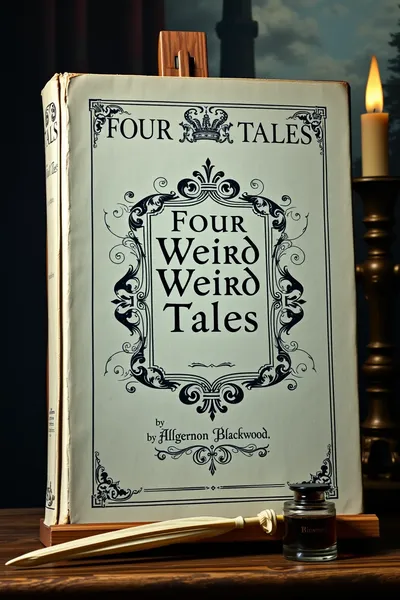
Four Weird Tales

Four Weird Tales

by Blackwood, Algernon

Algernon Blackwood's Four Weird Tales showcases his mastery of atmospheric and psychological horror, often blending it with elements of nature mysticism. These tales, including 'The Willows,' explore characters' encounters with forces beyond human comprehension, leading to unsettling and profound revelations about the hidden dimensions of reality and the human psyche.

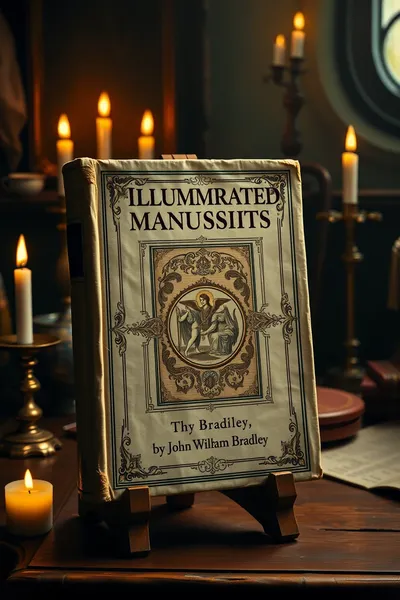
Illuminated Manuscripts

Illuminated Manuscripts

by Bradley, John William

John William Bradley's Illuminated Manuscripts, published in 1905, offers a historical and artistic examination of these exquisite medieval artworks. Bradley, an English art historian, reveals the intricate craftsmanship, symbolism, and spiritual significance embedded in these texts, which often contained sacred knowledge and served as visual aids for divine Revelation.

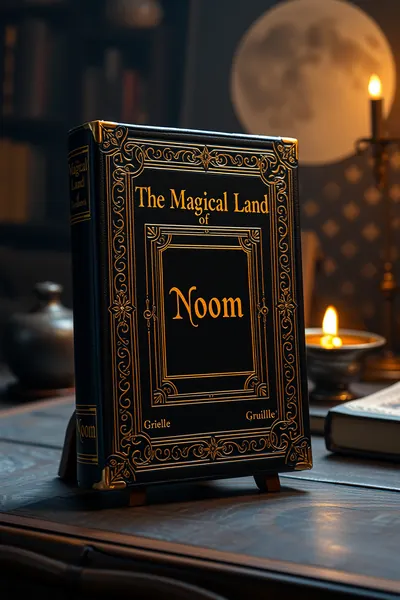
The Magical Land of Noom

The Magical Land of Noom

by Gruelle, Johnny

Johnny Gruelle's The Magical Land of Noom is a children's fantasy published in 1915, known for its whimsical characters and imaginative landscapes. While seemingly simple, such tales can offer allegorical Revelation, unveiling truths about courage, friendship, and the power of imagination, making complex ideas accessible to young minds.

Daemonologie.

Daemonologie.

by James I, King of England

King James I's Daemonologie., published in 1597, is a philosophical dissertation on necromancy and demonology. Written in the form of a dialogue, it served as a 'revelation' of the king's firm belief in witchcraft and its dangers, influencing the witch hunts of his time and providing a primary source for understanding early modern European views on the occult.

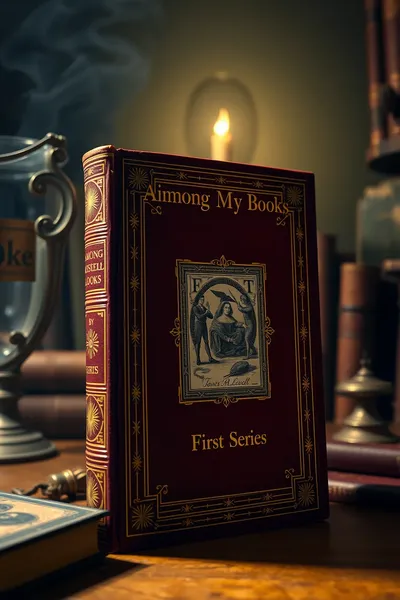
Among My Books. First Series

Among My Books. First Series

by James Russell Lowell

James Russell Lowell's Among My Books. First Series, published in 1870, is a collection of literary essays and critiques. Lowell, an American poet and critic, shares his profound insights into literature, culture, and human nature, offering a 'revelation' of his intellectual world and the enduring power of classic texts to shape understanding.

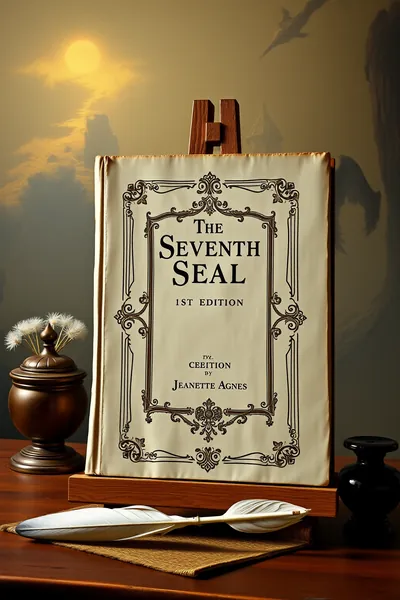
The Seventh Seal 1st Edition

The Seventh Seal 1st Edition

by Jeanette Agnes

Jeanette Agnes's The Seventh Seal 1st Edition is a title that immediately evokes the biblical Book of Revelation. This work likely explores themes of apocalypse, prophecy, and spiritual transformation, offering a unique interpretation or fictional narrative around the eschatological events and their profound spiritual Revelation.

General Metaphysics

General Metaphysics

by John Rickaby

John Rickaby's General Metaphysics, a philosophical text, delves into fundamental questions about existence, reality, and being. As a Jesuit philosopher, Rickaby systematically explores concepts such as causality, substance, and essence, aiming to provide a rigorous intellectual framework that can lead to a deeper, rational Revelation of the universe's underlying principles.

The Masonic Ladder

The Masonic Ladder

by John Sherer

John Sherer's The Masonic Ladder, originally published in 1874, offers an examination of the degrees of Freemasonry, explaining its rituals, symbols, and moral teachings. It serves as a valuable resource for understanding the esoteric aspects of the fraternity, revealing the progressive journey of enlightenment and self-improvement within its structured system.

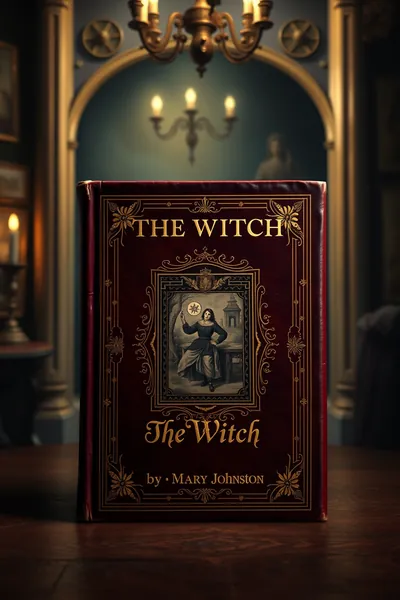
The Witch

The Witch

by Johnston, Mary

In Mary Johnston's The Witch, published in 1914, readers are transported to 17th-century England, where a young woman with a mysterious past faces accusations of witchcraft. The novel vividly portrays the societal fears and superstitions of the era, revealing the tragic consequences of intolerance and the power of belief in the face of persecution. It offers a fascinating glimpse into historical perceptions of magic and the 'hidden'.

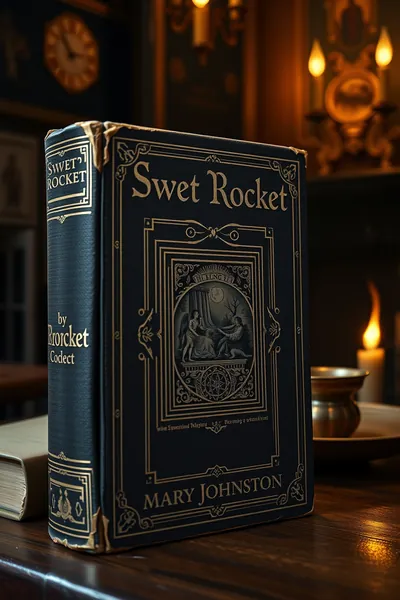
Sweet Rocket

Sweet Rocket

by Johnston, Mary

Mary Johnston's 1920 novel, Sweet Rocket, delves into themes of spiritual growth and self-discovery, presenting a deeply personal journey towards internal Revelation. The story follows a woman's quest for meaning and connection, exploring the subtle shifts in perception that lead to profound insights about life and the universe. It's a contemplative work on individual awakening.

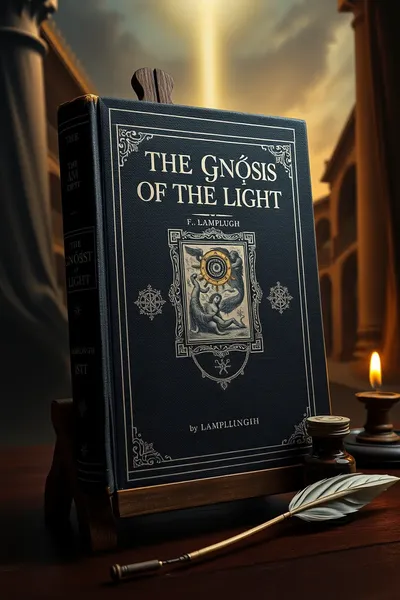
The Gnôsis of the Light

The Gnôsis of the Light

by Lamplugh, F.

F. Lamplugh's The Gnôsis of the Light directly addresses the concept of Gnosis, or spiritual knowledge, as a path to enlightenment. This esoteric work, published in 1923, guides readers through principles of inner understanding, offering a framework for achieving a personal and profound Revelation of divine truth beyond conventional dogma.

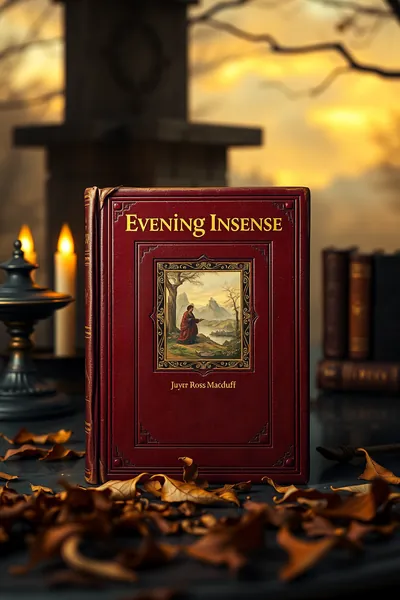
Evening Incense

Evening Incense

by Macduff, John R. (John Ross)

John R. Macduff's Evening Incense is a devotional work from the 19th century, offering spiritual reflections and prayers for daily life. It guides the reader towards moments of quiet contemplation, fostering personal spiritual Revelation through introspection and connection with divine principles. Macduff was a well-known Scottish minister and author.

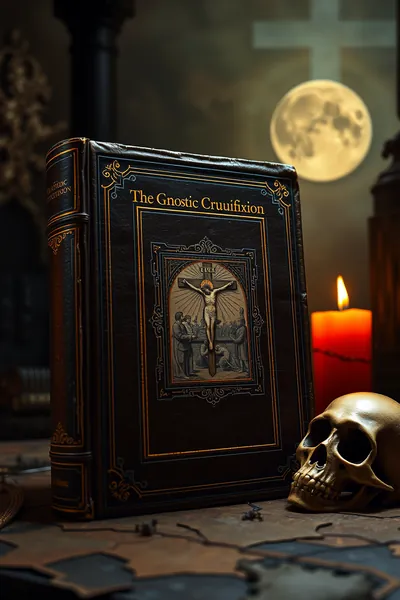
The Gnostic Crucifixion

The Gnostic Crucifixion

by Mead, G. R. S. (George Robert Stow)

G. R. S. Mead's The Gnostic Crucifixion, published in 1907, delves into the unique interpretations of the crucifixion event within various Gnostic traditions. Mead, a prominent Theosophist and scholar of esotericism, reveals how Gnostics understood this central Christian narrative through a lens of symbolic and mystical Revelation, often differing from orthodox views.

Nature Mysticism

Nature Mysticism

by Mercer, John Edward

John Edward Mercer's Nature Mysticism explores the spiritual connection between humanity and the natural world, advocating for a direct, intuitive experience of the divine through natural phenomena. Published in 1913, it presents a compelling argument for the natural world as a profound source of spiritual Revelation and insight, accessible to all.

Practical astrology

Practical astrology

by Middleton, John, Philomath

John Middleton, Philomath's Practical astrology, published in 1679, provides a detailed guide to the art of astrological interpretation. This historical text offers insights into how celestial movements were believed to reveal human destiny and character, serving as a practical tool for understanding and predicting life's events through cosmic Revelation.

Sri Ramana Jyothi - July 2009

Sri Ramana Jyothi - July 2009

by Prof. Laxmi Narain

Sri Ramana Jyothi - July 2009 is a periodical dedicated to the teachings of Sri Ramana Maharshi, a renowned Indian sage of the 20th century. This issue, edited by Prof. Laxmi Narain, offers insights into Advaita Vedanta and self-inquiry, guiding readers towards the ultimate spiritual Revelation of the true Self, beyond illusion.

The Gospel of John (CW 103)

The Gospel of John (CW 103)

by Steiner, Rudolf

Rudolf Steiner's The Gospel of John (CW 103) provides an anthroposophical interpretation of the biblical Gospel. Steiner, a profound esotericist, delves into the spiritual depths and hidden meanings of the text, offering a unique 'Revelation' of its mystical significance and its connection to cosmic and human evolution.

The Mystics: A Novel

The Mystics: A Novel

by Thurston, Katherine Cecil

Katherine Cecil Thurston's The Mystics: A Novel, published in 1907, explores the allure and dangers of a secretive mystical society. The narrative follows characters drawn into a world of esoteric rituals and spiritual pursuits, providing a fictional lens through which to examine the quest for profound spiritual Revelation and its potential for both enlightenment and deception.

Majestic Files

Majestic Files

by http://j.mp/MindSpaceApocalypse

Majestic Files, attributed to http://j.mp/MindSpaceApocalypse, is a collection often associated with conspiracy theories and alleged government cover-ups regarding extraterrestrial encounters. These 'files' purport to reveal secret information, feeding into a modern desire for hidden truths and alternative explanations of world events, a contemporary form of controversial Revelation.

Architecture Of Madness

Architecture Of Madness

by http://j.mp/MindSpaceApocalypse

Architecture Of Madness by http://j.mp/MindSpaceApocalypse is a title that suggests an exploration of distorted realities or the structures underlying mental fragmentation. It likely touches upon themes of perception, illusion, and the 'revelation' of psychological states or hidden forces that shape our understanding of sanity and reality.

Esoteric Library
Browse Esoteric Library
📚 All 55,000+ Books 🜍 Alchemy & Hermeticism 🔮 Magic & Ritual 🌙 Witchcraft & Paganism Astrology & Cosmology 🃏 Divination & Tarot 📜 Occult Philosophy ✡️ Kabbalah & Jewish Mysticism 🕉️ Mysticism & Contemplation 🕊️ Theosophy & Anthroposophy 🏛️ Freemasonry & Secret Societies 👻 Spiritualism & Afterlife 📖 Sacred Texts & Gnosticism 👁️ Supernatural & Occult Fiction 🧘 Spiritual Development 📚 Esoteric History & Biography
Esoteric Library
📑 Collections 📤 Upload Your Book
Account
🔑 Sign In Create Account
Info
About Esoteric Library