What is Nirvana?
Nirvana, often translated as 'blowing out' or 'quenching,' signifies the cessation of suffering and the cycle of rebirth (samsara) in many Indian spiritual traditions. It represents a state beyond ordinary human comprehension, characterized by profound peace and freedom from desire, aversion, and delusion. While often associated with Buddhism, similar concepts of ultimate liberation appear in Hinduism and Jainism, each with unique interpretations and methods for realization.
Best Books for Complete Beginners
For those new to the concept, starting with accessible overviews is key. Jiddu Krishnamurti's Eight Conversations (1967) offers dialogues that probe the nature of freedom and conditioning. Swami Abhedananda's Vedanta Philosophy (1900) provides a foundational understanding of Hindu thought leading to liberation. Robert S. de Ropp's The Master Game offers a broader, more modern perspective on consciousness and its potential. These texts introduce core ideas without overwhelming jargon.
Intermediate Reading
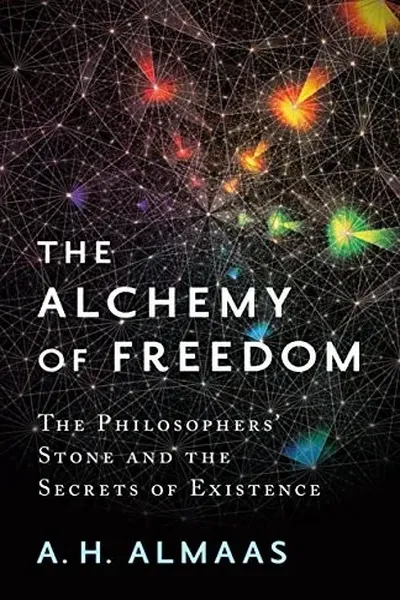
Moving beyond introductory concepts, intermediate texts delve deeper into specific traditions and practices. Maharshi Mehi's Philosophy of Liberation, A Manual of Sant Mat Mysticism (1998) presents a practical guide to a specific yogic path. J. Van Rijckenborgh and Catharose De Petri's The Chinese Gnosis explores esoteric traditions outside the Indian subcontinent, offering comparative insights. A. H. Almaas's The alchemy of freedom provides a contemporary psychological and spiritual framework for liberation.
Classical / Advanced Texts
Advanced study involves engaging with primary source materials and complex philosophical arguments. The Mahanirvana Tantra by Tantra of the Great Liberation (1913) is a significant tantric text detailing rituals and philosophy. Madhusudan Saraswati's Vedantakalpalatika (circa 1500) represents a deep dive into Advaita Vedanta philosophy. The Sacred Books of the East (50 volumes, 1879) offers a vast collection of foundational scriptures from various Indian traditions.
Reading Order — Step by Step
Begin with foundational concepts: Start with Jiddu Krishnamurti's Eight Conversations (1967) for a modern philosophical approach to freedom, followed by Swami Abhedananda's Vedanta Philosophy (1900) for a Hindu perspective. Month two, explore practical paths with Maharshi Mehi's Philosophy of Liberation (1998) and Robert S. de Ropp's The Master Game. By month three, engage with more specific traditions like J. Van Rijckenborgh's The Chinese Gnosis or explore classical texts such as the Mahanirvana Tantra (1913).
Frequently Asked Questions
Which Nirvana book should I read first?
For a gentle introduction, start with Jiddu Krishnamurti's Eight Conversations (1967), which tackles the essence of freedom. Alternatively, Swami Abhedananda's Vedanta Philosophy (1900) offers a solid grounding in Hindu concepts relevant to liberation.
Is Nirvana the same as Moksha?
While often used interchangeably, Nirvana is primarily associated with Buddhism and signifies the extinguishing of suffering. Moksha is a broader Sanskrit term for liberation from the cycle of rebirth, used across Hindu, Jain, and Sikh traditions, with varying philosophical nuances.
Are there practical guides to achieving Nirvana?
Yes, texts like Maharshi Mehi's Philosophy of Liberation (1998) offer practical instructions within the Sant Mat tradition, focusing on meditation and inner practices. Other yogic and tantric texts also detail methods for spiritual realization.
What is the role of suffering in understanding Nirvana?
Understanding suffering (dukkha) is central. Nirvana is defined as the cessation of suffering. Buddhist teachings, for example, analyze the causes of suffering (desire, aversion, ignorance) as the very things that must be 'blown out' to reach Nirvana.
How do classical texts like the Mahanirvana Tantra relate to modern ideas of Nirvana?
Classical texts like the Mahanirvana Tantra (1913) provide historical and philosophical depth, outlining specific rituals and cosmologies. Modern interpretations often simplify or recontextualize these ideas, focusing on psychological liberation or universal consciousness, while still drawing from the foundational concepts.
Can I find books on Nirvana that are not religious?
While Nirvana is rooted in religious traditions, some books explore its philosophical implications or related concepts like ultimate freedom and consciousness from a more secular or psychological perspective. Jiddu Krishnamurti's work often approaches these themes without strict adherence to religious doctrine.