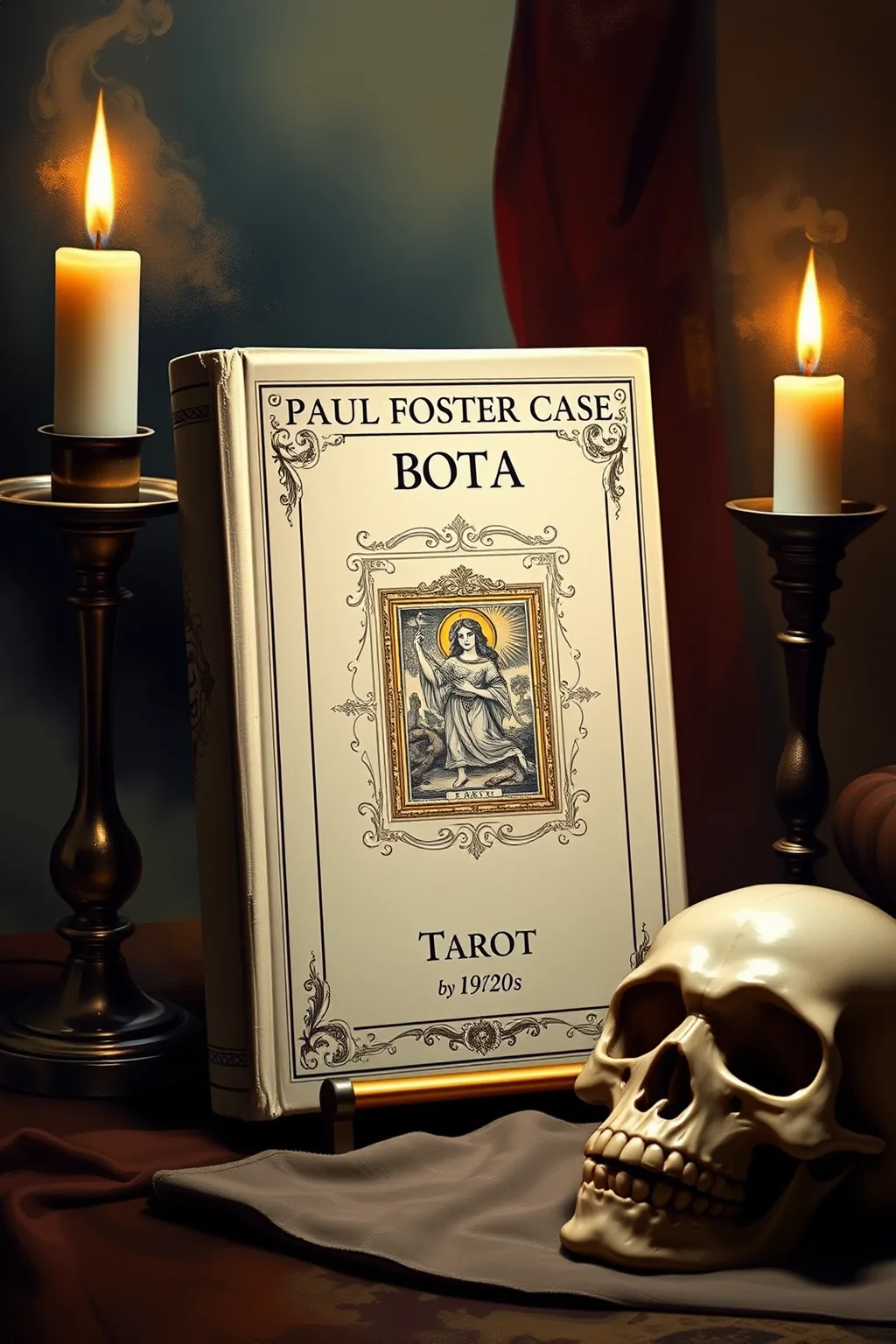
Paul Foster Case - BOTA - Introduction to Tarot - 1922
 75
75

Paul Foster Case - BOTA - Introduction to Tarot - 1922


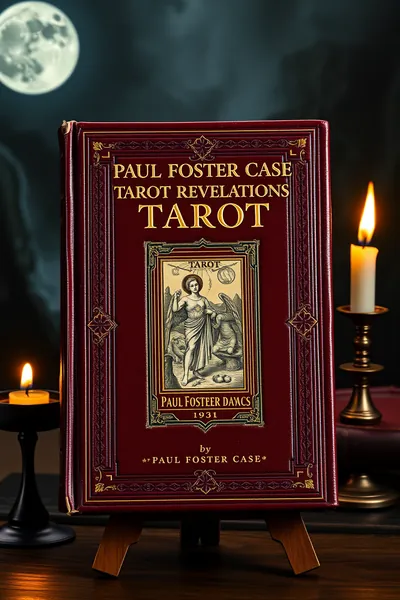
Paul Foster Case's "Introduction to Tarot" (1922) is a timeless classic that remains as relevant today as it was a century ago. For modern esoteric seekers, this book serves as a gateway to the mystical world of the Tarot, offering deep insights into its symbolic and spiritual dimensions. Case's writing is clear and accessible, making complex occult concepts understandable to readers of all levels. The book's exploration of the Tarot's connections to Freemasonry and other secret societies adds a layer of intrigue and historical context that enriches the reading experience. Case's practical advice on Tarot interpretation is particularly valuable, providing readers with tools to apply the Tarot's wisdom in their own spiritual journeys. Overall, "Introduction to Tarot" is a must-read for anyone interested in the esoteric and occult traditions.
📝 Description
75
Paul Foster Case published his 'Introduction to Tarot' in 1922, laying out a structured approach to the cards.
Published in 1922, Paul Foster Case's 'Introduction to Tarot' offers a systematic study of the Tarot's symbolism and philosophical underpinnings. Case, the founder of Builders of the Adytum, structured his work to reveal the Tarot as a language of universal principles. He connects the cards to spiritual development and the pursuit of hidden knowledge.
This book is not a collection of divinatory methods but a detailed examination of the Tarot's inherent meaning. Case's approach emphasizes understanding the underlying concepts that give the cards their power. It serves as a practical guide for those interested in the deeper, esoteric dimensions of the Tarot, bridging historical esoteric traditions with contemporary spiritual inquiry.
Paul Foster Case's work is rooted in the Western Esoteric Tradition, particularly influenced by the Hermetic Order of the Golden Dawn. His teachings within Builders of the Adytum (BOTA) sought to systematize and transmit this lineage of occult knowledge. This introduction to Tarot is a direct product of that effort, presenting the cards not just as tools for divination but as keys to understanding cosmic laws and human consciousness.
✍️ Author
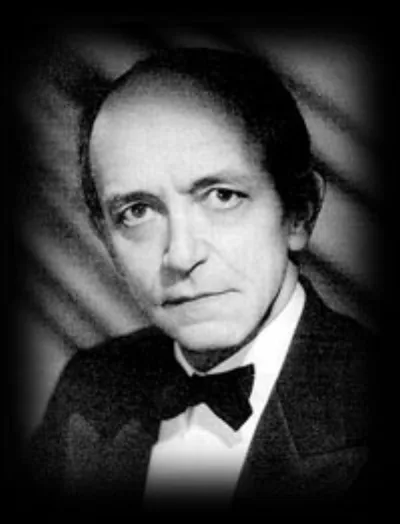
Paul Foster Case
Paul Foster Case (1884-1954) was an American occultist, Freemason, and writer on occult tarot and Qabalah.
Occultist
💡 Why Read This Book?
Reading "Introduction to Tarot" by Paul Foster Case today offers a unique opportunity to delve into the esoteric teachings of one of the 20th century's most influential occultists. This book provides a foundational understanding of the Tarot, its mystical significance, and its connections to ancient wisdom traditions. By exploring Case's insights, readers can gain a deeper appreciation for the Tarot's role in Western esotericism and learn practical methods for interpreting its symbols. Whether you are a beginner or an experienced practitioner, this book offers valuable knowledge and spiritual guidance.
⭐ Reader Reviews
Honest opinions from readers who have explored this book.
❓ Frequently Asked Questions
Who was Paul Foster Case?
Paul Foster Case (1884-1954) was a prominent occultist and founder of the Builders of the Adytum (BOTA). He is known for his writings on the Tarot, Freemasonry, and other esoteric subjects.
What is the Builders of the Adytum (BOTA)?
BOTA is an esoteric school founded by Paul Foster Case. It focuses on the study of the Tarot, Kabbalah, and other mystical traditions.
Why is the Tarot important in esoteric studies?
The Tarot is a powerful tool for spiritual exploration and self-discovery. It provides symbolic representations of universal principles and can be used for divination, meditation, and personal growth.
🔮 Key Themes & Symbolism
Symbolism of the Tarot
Case looks at the detailed symbolism of the Tarot, revealing the hidden meanings behind its cards and their significance in spiritual development.
Esoteric Traditions
The book explores the esoteric traditions that underpin the Tarot, drawing on Hermetic and Kabbalistic principles to provide a holistic understanding.
Spiritual Development
Case's teachings on the Tarot offer a path to spiritual enlightenment, guiding readers through the mystical arts and their philosophical significance.
💬 Memorable Quotes
Direct passages from the work, attributed to the author.
“Symbols are the language of the unconscious mind.”
— Case's insights into the symbolic language of the Tarot reveal its deep psychological and spiritual significance.
“The cards of the Tarot hold ancient wisdom.”
— Case's teachings emphasize the Tarot's timeless insights into the human condition and spiritual growth.
💡 Key Ideas
Editorial paraphrase of the work's core concepts — not direct quotes.
The Tarot is a mirror of the soul.
This quote highlights the Tarot's role in reflecting inner truths and guiding spiritual development.
The Tarot is a journey into the mystical realms.
This quote underscores the Tarot's role in spiritual exploration and enlightenment.
The Tarot is a tool for spiritual transformation.
This quote highlights the Tarot's potential to facilitate profound personal and spiritual change.
🌙 Esoteric Significance
Tradition
'Introduction to Tarot' belongs to the Hermetic and Kabbalistic traditions, drawing on the rich esoteric teachings of the Golden Dawn.
Symbolism
The book explores key symbols of the Tarot, such as the Major and Minor Arcana, and their deeper meanings in the context of spiritual development.
Modern Relevance
This work remains relevant today, with modern practitioners continuing to use Case's teachings to deepen their understanding of the Tarot and its mystical significance.
👥 Who Should Read This Book
Beginners in Tarot should read this book to gain a foundational understanding of its esoteric traditions and symbolic language. Scholars of occult studies will find valuable insights into the philosophical significance of the Tarot. Spiritual seekers will benefit from Case's teachings on spiritual development and enlightenment. Practitioners of the mystical arts will appreciate the book's timeless wisdom and its role in facilitating personal and spiritual transformation.
📜 Historical Context
Published in 1922, 'Introduction to Tarot' emerged during a time of heightened interest in esoteric and occult studies. The early 20th century saw a resurgence of interest in mystical traditions, driven by figures like Aleister Crowley and the Golden Dawn. Paul Foster Case's work was instrumental in popularizing the Tarot and making its esoteric teachings accessible to a wider audience. The book's influence can still be seen in modern Tarot studies and occult practices, making it a timeless classic.
📔 Journal Prompts
How does the symbolism of the Tarot reflect your inner truths?
What esoteric traditions resonate with you in Case's teachings?
In what ways has the Tarot facilitated your spiritual development?
How do the cards of the Tarot hold ancient wisdom for you?
What spiritual transformations have you experienced through the Tarot?
🗂️ Glossary
Major Arcana
The 22 cards in the Tarot that represent significant life events and spiritual lessons.
Minor Arcana
The 56 cards in the Tarot that deal with everyday events and challenges.
Hermetic Principles
The esoteric teachings of Hermes Trismegistus, which form the basis of many occult traditions.
Kabbalistic Symbolism
The mystical teachings of Kabbalah, which explore the divine and spiritual realms.
Golden Dawn
A secret society dedicated to the study and practice of the occult, which influenced Case's teachings.
This book appears in 2 collections
🔮 Readers Also Liked
Browse all →






More by Paul Foster Case
All books →
From the “Secret Societies” Collection
View all →


More Free Freemasonry & Secret Societies Books
View all →