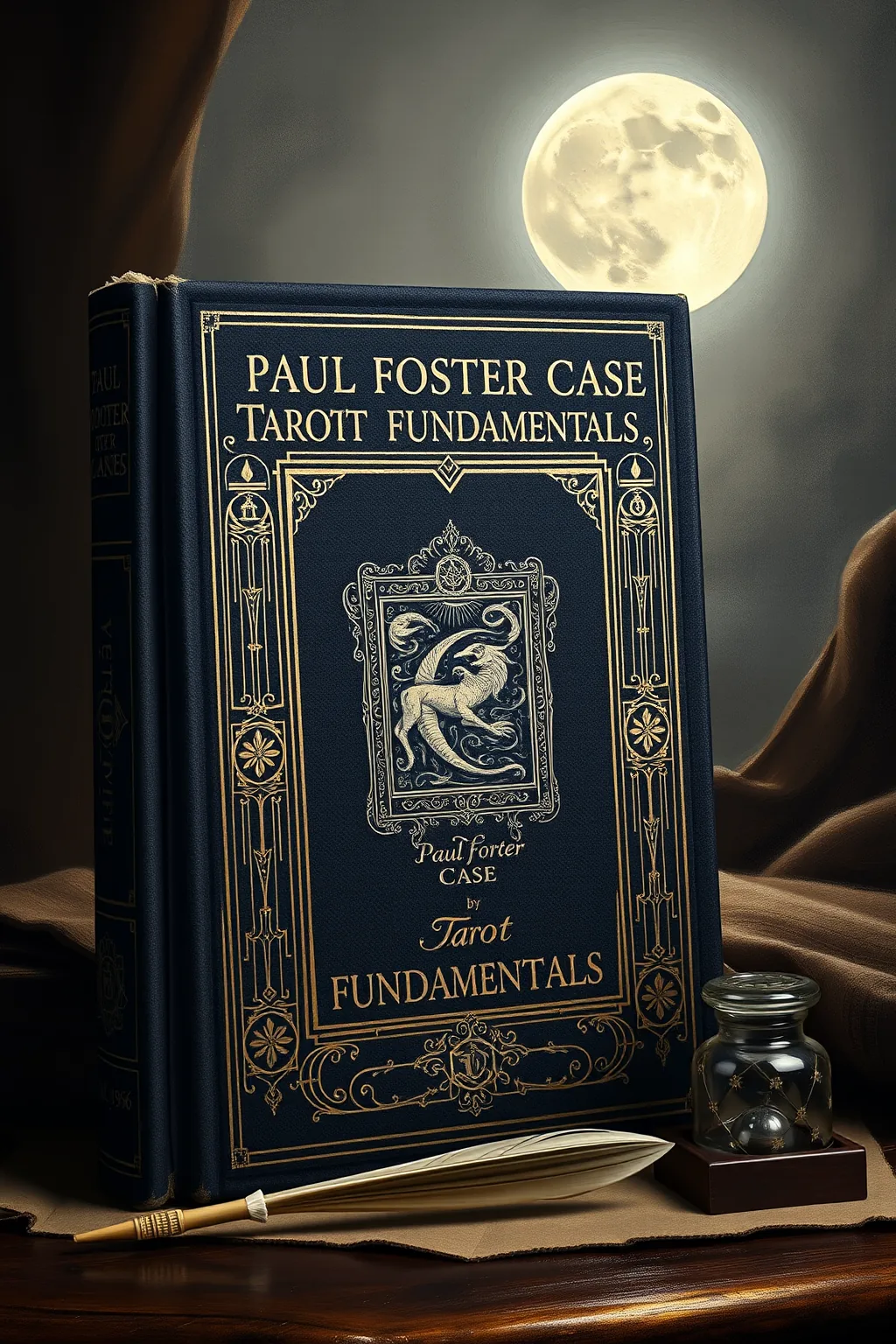
Paul Foster Case - Tarot Fundamentals - 1936
 84
84

Paul Foster Case - Tarot Fundamentals - 1936



Tarot Fundamentals by Paul Foster Case is a timeless classic that remains as relevant today as it was in 1936. Case's deep knowledge of esoteric traditions and his ability to communicate complex ideas clearly make this book an invaluable resource for modern esoteric seekers. The book's thorough exploration of Tarot symbolism and its practical applications in divination sets it apart from many other works in the field. Case's insights into the mystical significance of the Tarot deck provide a rich foundation for understanding the cards' deeper meanings. For those new to Tarot, this book serves as an excellent introduction, while experienced readers will find new layers of understanding to explore. The historical context in which the book was written adds an extra dimension of value, offering a glimpse into the early 20th-century occult revival. Overall, Tarot Fundamentals is a must-read for anyone serious about Tarot and esoteric studies.
📝 Description
84
Paul Foster Case published 'Tarot Fundamentals' in 1936, detailing his system for Tarot interpretation.
Published in 1936, Paul Foster Case's 'Tarot Fundamentals' lays out his approach to understanding the Tarot. Case, who founded the Builders of the Adytum, structured the book to explain the symbolism and philosophical underpinnings of the cards.
This work aims to instruct individuals on using the Tarot for self-understanding and spiritual development. It covers the structure of the Tarot deck and its relationship to occult philosophy. The book addresses both those new to Tarot and those with prior experience, seeking to provide a clear framework for study.
Paul Foster Case was a significant figure in early 20th-century occultism, notably associated with the Hermetic Order of the Golden Dawn. 'Tarot Fundamentals' is rooted in the esoteric traditions he inherited and adapted, particularly the symbolic language and philosophical structures developed by earlier occultists. His work contributed to the systematization of Tarot within Western esotericism, connecting it to Kabbalah and other mystical disciplines.
✍️ Author
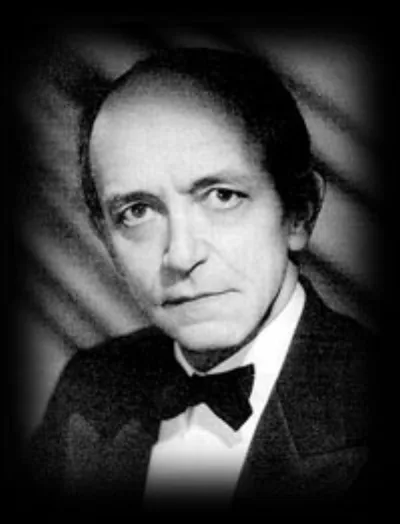
Paul Foster Case
Paul Foster Case (1884-1954) was an American occultist, Freemason, and writer on occult tarot and Qabalah.
Occultist
💡 Why Read This Book?
Reading Tarot Fundamentals today offers readers a profound understanding of the Tarot's mystical and esoteric dimensions. This book provides a solid foundation for Tarot divination, making it an essential resource for both beginners and experienced practitioners. By delving into the symbolism and philosophical underpinnings of the Tarot, readers gain insights that can deepen their spiritual practices and enhance their divination skills. The historical context of the book adds depth to the reading experience, offering a unique perspective on the evolution of Tarot practices. Whether you are seeking to expand your knowledge of the occult or simply curious about the Tarot, this book is a valuable addition to your library.
⭐ Reader Reviews
Honest opinions from readers who have explored this book.
❓ Frequently Asked Questions
Who is Paul Foster Case?
Paul Foster Case was an influential occultist and author who founded the School of Ageless Wisdom and the Builders of the Adytum (BOTA). He is known for his works on Tarot, astrology, and other esoteric subjects.
What is the main focus of Tarot Fundamentals?
Tarot Fundamentals focuses on the fundamental principles of Tarot, including the symbolism of the cards and their application in divination. It provides a comprehensive guide to understanding and practicing Tarot.
Is this book suitable for beginners?
Yes, Tarot Fundamentals is an excellent resource for beginners as well as experienced practitioners. It offers both foundational knowledge and deeper insights into Tarot symbolism and divination.
🔮 Key Themes & Symbolism
Esoteric Symbolism
Paul Foster Case looks at the detailed symbolism of the Tarot, revealing the hidden meanings and mystical significance behind each card. This exploration is rooted in the teachings of the Golden Dawn, offering a deep dive into the occult philosophy that underpins the Tarot.
Philosophical Significance
The book examines the philosophical underpinnings of the Tarot, providing insights into the spiritual and esoteric wisdom that can be gained from studying the cards. Case's teachings offer a path to spiritual enlightenment and a deeper understanding of the self.
Golden Dawn Tradition
Tarot Fundamentals is deeply influenced by the Golden Dawn tradition, a secret society known for its occult teachings and mystical practices. Case's connection to this tradition lends the book a sense of authenticity and authority, making it a valuable resource for those interested in the occult.
💬 Memorable Quotes
Direct passages from the work, attributed to the author.
“Symbolism is the language of the soul.”
— Case emphasizes the importance of understanding symbolism to unlock the Tarot's hidden wisdom.
💡 Key Ideas
Editorial paraphrase of the work's core concepts — not direct quotes.
The Tarot is a mirror reflecting the soul's journey.
This quote underscores the Tarot's role in revealing the inner self and guiding spiritual growth.
The Tarot is a map to the mysteries of the universe.
This quote highlights the Tarot's ability to guide seekers through the complexities of life and spirituality.
Each card holds a secret waiting to be revealed.
This quote encourages readers to explore the deeper meanings behind each Tarot card.
The Tarot is a path to enlightenment.
This quote underscores the Tarot's potential to lead individuals to spiritual awakening and self-discovery.
🌙 Esoteric Significance
Tradition
Tarot Fundamentals belongs to the Hermetic and Kabbalistic traditions, drawing on the teachings of the Golden Dawn and the esoteric symbolism of the Tarot. This book is a foundational text in the study of occult philosophy and mystical practices.
Symbolism
Key symbols in the book include the Major and Minor Arcana, the Tree of Life, and the four elements. Each symbol is explored in depth, revealing its hidden meanings and mystical significance.
Modern Relevance
Today, 'Tarot Fundamentals' remains a valuable resource for modern practitioners of the Tarot and occult philosophy. Its insights into esoteric symbolism and philosophical significance continue to inspire seekers and scholars alike.
👥 Who Should Read This Book
Beginners interested in the Tarot will find 'Tarot Fundamentals' an excellent starting point, offering a comprehensive introduction to the esoteric symbolism and philosophical significance of the cards. Scholars of occult philosophy will appreciate the book's deep connection to the Golden Dawn tradition and its rich exploration of mystical practices. Spiritual seekers will benefit from the insights into spiritual enlightenment and self-discovery provided by the Tarot.
📜 Historical Context
Published in 1936, 'Tarot Fundamentals' emerged during a time of great interest in occult philosophy and mystical practices. The book draws heavily from the teachings of the Golden Dawn, a secret society known for its esoteric rituals and occult knowledge. Paul Foster Case's work was instrumental in popularizing the Tarot and making its teachings accessible to a wider audience. The book's influence can still be seen today in the practices of modern Tarot readers and occult scholars.
📔 Journal Prompts
Reflect on how the Tarot's symbolism speaks to your personal journey.
Explore the philosophical significance of a specific Tarot card.
Consider how the Golden Dawn's teachings influence your understanding of the Tarot.
Write about a moment of spiritual enlightenment you experienced through the Tarot.
Reflect on the role of the Tarot as a map to the mysteries of the universe.
🗂️ Glossary
Golden Dawn
A secret society known for its occult teachings and mystical practices, influential in the study of the Tarot and esoteric symbolism.
Major Arcana
The 22 cards in the Tarot deck that represent significant life events and spiritual lessons.
Minor Arcana
The 56 cards in the Tarot deck that deal with everyday events and experiences.
Tree of Life
A Kabbalistic symbol representing the path to spiritual enlightenment and the interconnectedness of all things.
Esoteric Symbolism
The hidden meanings and mystical significance behind symbols, often used in occult philosophy and mystical practices.
This book appears in 3 collections
🔮 Readers Also Liked
Browse all →







More by Paul Foster Case
All books →
From the “Tarot” Collection
View all →







![CIA Reading Room cia-rdp78t05439a000400230090-7: MENSURATION OF THE [ ]-BUKHARA CANAL, USSR](/img/thumb/cia-reading-room-cia-rdp78t05439a000400230090-7-mensuration-of-the-bukhara-canal-ussr-cia-reading-room.webp)

More Free Divination & Tarot Books
View all →