What are the Major Arcana?
The Major Arcana are the 22 trump cards in a standard Tarot deck, representing significant life events, spiritual lessons, and archetypal forces. Each card depicts a distinct stage or challenge in the human journey, from the Fool's innocent beginning to the World's completion. Unlike the Minor Arcana, which deal with daily occurrences, the Major Arcana signify profound, transformative experiences that shape one's destiny and personal growth. They are often seen as a map of the soul's evolution.
Best Books for Complete Beginners
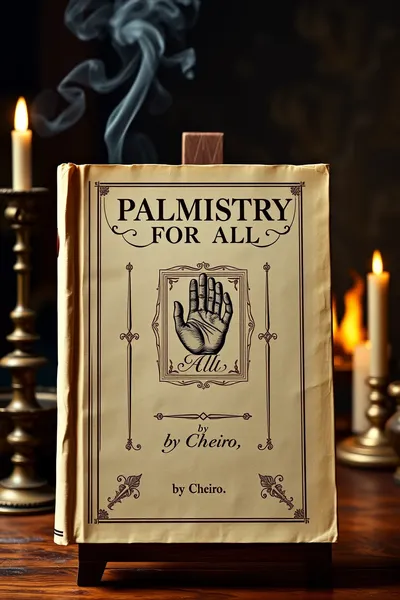
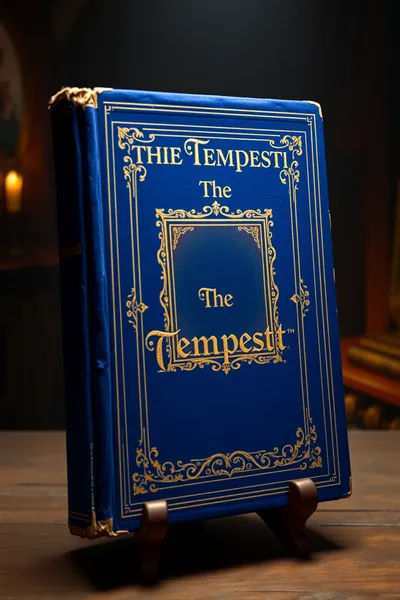
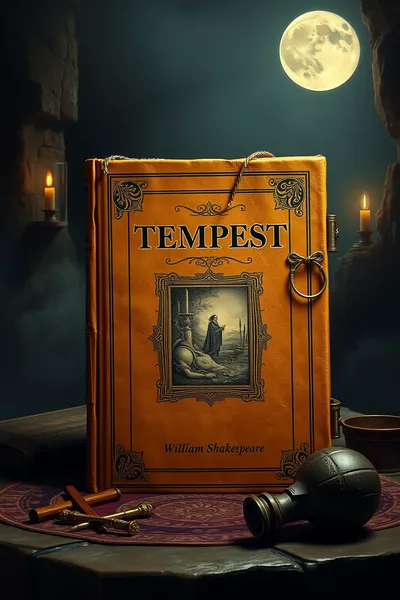
For those new to the Major Arcana, L. W. De Laurence's 'The Illustrated Key to the Tarot' (1910) serves as a direct entry point, explaining card meanings and symbolism. Charles Godfrey Leland's 'Gypsy Sorcery and Fortune Telling' (1891) offers historical context for divination practices. While not strictly Tarot, 'The Tempest' by William Shakespeare provides archetypal narratives that resonate with Major Arcana themes of transformation and illusion. For a more direct approach to card interpretation, 'Palmistry for All' by Cheiro, though focused on palmistry, introduces fundamental divinatory principles applicable to Tarot.
Intermediate Reading
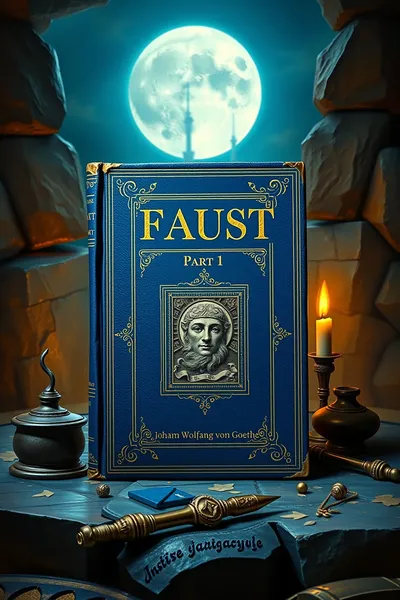
Moving beyond basics, students can explore the philosophical underpinnings. While not directly Tarot-focused, Johann Wolfgang von Goethe's 'Faust — Part 1' explores themes of temptation, spiritual seeking, and pacts, mirroring the Devil card's archetypal weight. Lord Dunsany's 'Don Rodriguez; Chronicles of Shadow Valley' offers narrative explorations of quests and magical journeys, aligning with the archetypes of the Magician or the Hierophant. 'The Old and the New Magic' by Henry Ridgely Evans (1906) bridges historical magical practices with symbolic interpretations, providing context for the more esoteric aspects of the Major Arcana.
Classical / Advanced Texts
Advanced study involves engaging with primary sources and broader symbolic systems. Christopher Marlowe's 'The Tragical History of Doctor Faustus' (Quarto of 1604/1616) presents a stark exploration of ambition, consequence, and spiritual crisis, directly relating to archetypes of self-destruction and redemption. Harry Houdini's 'A Magician Among the Spirits' (1924) and 'Miracle Mongers and Their Methods' (1922) offer critical perspectives on deception and performance, providing a counterpoint to spiritual interpretations and encouraging discernment. These works challenge readers to critically analyze the narratives and powers represented by the Major Arcana.
Reading Order — Step by Step
Begin with L. W. De Laurence's 'The Illustrated Key to the Tarot' for foundational meanings. In Week 2-3, supplement with Charles Godfrey Leland's 'Gypsy Sorcery and Fortune Telling' for a historical perspective on divination. Month 2, explore narrative archetypes through William Shakespeare's 'The Tempest' and Johann Wolfgang von Goethe's 'Faust — Part 1'. By Month 3, engage with the critical and historical analyses in Harry Houdini's works ('Miracle Mongers and Their Methods') and Henry Ridgely Evans' 'The Old and the New Magic'. For advanced study, look at Marlowe's 'Doctor Faustus'.
Frequently Asked Questions
Which Major Arcana book should I read first?
Start with L. W. De Laurence's 'The Illustrated Key to the Tarot' (1910) for a direct introduction to the meanings and symbolism of each card.
Are there books that connect Major Arcana to mythology?
While not directly listed, works like 'Faust — Part 1' by Goethe and 'The Tempest' by Shakespeare explore archetypal themes that resonate deeply with Major Arcana narratives.
How do books on magic relate to the Major Arcana?
Texts like Henry Ridgely Evans' 'The Old and the New Magic' (1906) provide historical context for magical practices and beliefs that inform the esoteric interpretations of Tarot cards.
What is the significance of the Fool's Journey?
The Fool's Journey is a common framework for understanding the Major Arcana as a progression of archetypal experiences, from innocence and initiation to wisdom and completion.
Are there books that critique Tarot or occult claims?
Yes, Harry Houdini's works, such as 'Miracle Mongers and Their Methods' (1922), offer critical perspectives on fraudulent practices, encouraging a discerning approach to esoteric claims.
Can classical literature help understand the Major Arcana?
Absolutely. Plays like Shakespeare's 'The Tempest' and Goethe's 'Faust' offer profound explorations of archetypal characters and situations mirrored in the Major Arcana.