52,000+ Esoteric Books Free + Modern Compare Prices
Home Collections Tarot Reading
🃏

Tarot Reading Books: A Comprehensive Reading List

Tarot reading books trace the practice from its origins in 19th-century cartomancy to contemporary applications. Resources range from foundational guides like L. W. De Laurence's 'The Illustrated Key to the Tarot' to comprehensive studies. This guide presents essential texts for understanding tarot symbolism, interpretation, and practice, catering to both novices and seasoned practitioners seeking deeper knowledge.

Top Tarot Reading Books

25 Tarot Reading books
Schemas Of Uncertainty
📖
Schemas Of Uncertainty
Danae Io, Callum Copley
4.5
76
The Mendal
📖
The Mendal
Edward Barker
4.4
74

What is Tarot Reading?

Tarot reading involves using a deck of cards, typically 78, to gain insight into past, present, and future events, or to explore personal questions. Each card carries symbolic meaning, and their arrangement in a spread (layout) influences the interpretation. The practice draws on a history of divination, with key texts exploring its methods and historical context.

Best Books for Complete Beginners

For those new to tarot, 'The Illustrated Key to the Tarot' by L. W. De Laurence offers a foundational approach to understanding card meanings and basic spreads. 'Prophetical, Educational and Playing Cards' by Mrs. John King Van Rensselaer provides historical context on card usage for divination. 'Tea-Cup Reading and Fortune-Telling by Tea Leaves' by a Highland Seer introduces a related divinatory practice, useful for broadening understanding of symbolic interpretation. 'Everybody's Book of Luck' by Anonymous touches on general fortune-telling principles. 'How to tell fortunes' by Aaron A. Warford provides practical, accessible methods for beginners.

Intermediate Reading

Moving beyond basics, 'The Square of Sevens' by Edward Prime-Stevenson offers a more structured method of cartomancy, detailing specific techniques. 'Gypsy Sorcery and Fortune Telling' by Charles Godfrey Leland delves into folk magic and divinatory practices, providing rich historical and cultural context. 'Telling fortunes by cards' by Mohammed Ali presents a symposium of ancient and modern methods, expanding interpretive horizons. 'Fortunes and dreams' by Astra Cielo offers a practical manual for interpreting dreams and omens alongside card readings.

Classical / Advanced Texts

Advanced study involves engaging with primary sources and more complex systems. 'The Complete Magicians Tables' by Stephen Skinner (2007) provides a scholarly overview of magical traditions and their tools, including cartomancy. While not strictly tarot, early 20th-century works on divination and fortune-telling, such as those by Mrs. John King Van Rensselaer and Charles Godfrey Leland, offer historical depth. Texts focusing on the theoretical underpinnings of symbolic systems, like those by Isbell and Pigman on mutarotation, while scientific, highlight the mathematical and structural aspects that can inform deeper symbolic analysis.

Reading Order — Step by Step

Begin with foundational texts like 'The Illustrated Key to the Tarot' (De Laurence) in Weeks 1-2 to grasp core meanings. By Month 2, explore 'Prophetical, Educational and Playing Cards' (Van Rensselaer) and 'How to tell fortunes' (Warford) for broader context and practical application. In Month 3, delve into 'Gypsy Sorcery and Fortune Telling' (Leland) and 'The Square of Sevens' (Prime-Stevenson) for advanced techniques and historical perspectives. Continue with advanced works and related divination texts as interest grows.

Frequently Asked Questions

Which tarot book should a beginner start with?

Beginners should start with 'The Illustrated Key to the Tarot' by L. W. De Laurence. It offers a clear introduction to card meanings and basic interpretation techniques essential for new practitioners.

Are tarot cards historically accurate in divination?

While tarot's exact origins are debated, its use for divination solidified in the late 18th century. Books like Mrs. John King Van Rensselaer's 'Prophetical, Educational and Playing Cards' explore its historical evolution and diverse applications.

What is the difference between tarot and playing cards for divination?

Tarot decks have specific symbolic imagery (Major and Minor Arcana), while playing cards use standard suits and numbers. Both can be used for divination, with texts like Mohammed Ali's 'Telling fortunes by cards' detailing methods for both.

How do I learn to interpret tarot spreads?

Learning spreads involves understanding individual card meanings and how they interact. Start with simple spreads like the three-card draw, as detailed in introductory books, and gradually progress to more complex layouts.

Can scientific studies inform tarot reading?

While seemingly disparate, scientific studies on symbolism, psychology, and even chemistry (like H.S. Isbell's work on molecular structures) can offer frameworks for deeper, analytical interpretations of tarot symbolism and archetypes.

What are some less common fortune-telling methods mentioned in tarot literature?

Related divination methods include tea-leaf reading, palmistry, and dream interpretation. Works like 'Tea-Cup Reading' by a Highland Seer or 'Palmistry for All' by Cheiro explore these complementary practices.

Why Each Book Matters

3 Books on Tarot Symbolism

3 Books on Tarot Symbolism

This collection, "3 Books on Tarot Symbolism," offers a consolidated resource for understanding the intricate meanings embedded within Tarot cards. Published anonymously, these texts likely delve into the iconography, numerology, and astrological correspondences of both the Major and Minor Arcana. It's an excellent starting point for anyone wishing to deepen their interpretive skills and grasp the multi-layered significance of each card, providing essential knowledge for effective Tarot Reading and personal insight.

palmistry

palmistry

This foundational text, simply titled "palmistry," offers an accessible introduction to the ancient art of reading hands. It meticulously details the significance of various lines, mounts, and shapes found on the palm, providing insights into personality traits, life paths, and potential futures. Published anonymously, this work serves as a practical guide for beginners seeking to understand the basic principles of chiromancy. Readers will learn how to interpret the heart line, head line, and life line, among others, making it a valuable resource for those interested in a structured approach to divination.

Palmistry Guide

Palmistry Guide

This "Palmistry Guide," an anonymous work, offers a straightforward and detailed approach to the art of chiromancy. It systematically outlines how to read the lines, mounts, and hand shapes, providing clear interpretations for various aspects of life, including career, relationships, and health. The guide is particularly useful for beginners, breaking down complex concepts into easily digestible information. It emphasizes practical application, allowing readers to immediately begin practicing the art of palmistry, a complementary divination method to Tarot Reading.

Kate Bornstein Tarot Deck

Kate Bornstein Tarot Deck

This unique item, the "Kate Bornstein Tarot Deck," represents a significant contemporary contribution to the world of Tarot. While the author is listed as unknown for this specific entry, it refers to a deck inspired by or created in collaboration with Kate Bornstein, a renowned performance artist and gender theorist. This deck likely offers a modern, inclusive, and thought-provoking reinterpretation of traditional Tarot archetypes, making it invaluable for those interested in diverse perspectives and the evolving symbolism within Tarot Reading.

Palmistry For All By Cheiro

Palmistry For All By Cheiro

This entry, "Palmistry For All By Cheiro," refers to the widely influential work by the celebrated palmist Cheiro (William John Warner), though listed here by an unknown compiler. It is a fundamental text for anyone interested in chiromancy, offering detailed instructions on how to interpret the lines, mounts, and characteristics of the hand. First published in 1916, its enduring popularity stems from Cheiro's clear explanations and practical approach, making it a classic resource for understanding this ancient art of divination.

Empress express (1913-07-04)

Empress express (1913-07-04)

"Empress express," dated July 4, 1913, is a historical newspaper or periodical that offers a window into the events and cultural landscape of its time. Such publications often contain a mix of news, social commentary, and popular culture elements. While its main focus is likely not esoteric, it can provide valuable context for understanding the societal interests of the early 20th century, including how divination practices like Tarot Reading might have been viewed or subtly referenced in public discourse.

Carlstadt news (1912-08-08)

Carlstadt news (1912-08-08)

This issue of "Carlstadt news," dated August 8, 1912, provides a historical snapshot of local events, societal norms, and community life in Carlstadt during the early 20th century. While primarily a local newspaper, such publications often reflect the general cultural milieu, which could include mentions of local beliefs, superstitions, or even advertisements for fortune-tellers, providing a fascinating historical context for the public perception of practices like Tarot Reading in a bygone era.

ecologic DAO oracle

ecologic DAO oracle

by 3deedit

"ecologic DAO oracle" by 3deedit is a contemporary work exploring the intersection of decentralized autonomous organizations (DAOs) and the concept of an "oracle" in a modern, digital context. This document, likely from the early 21st century, reimagines the idea of an oracle as a mechanism for collective decision-making and information retrieval within ecological and technological frameworks. It offers a fascinating parallel to traditional divination, where an oracle provides insights, albeit through a very different, technologically advanced system.

4chan Divination General

4chan Divination General

by 4chan

"4chan Divination General" is a fascinating digital artifact, representing a collection of discussions and insights from the anonymous online community of 4chan regarding divination practices. This unique document, compiled from online threads, offers a raw and unfiltered look at how contemporary individuals discuss, practice, and interpret various forms of divination, including Tarot, within an internet subculture. It provides a modern, informal perspective on esoteric interests, highlighting the ongoing human quest for insight and guidance in the digital age.

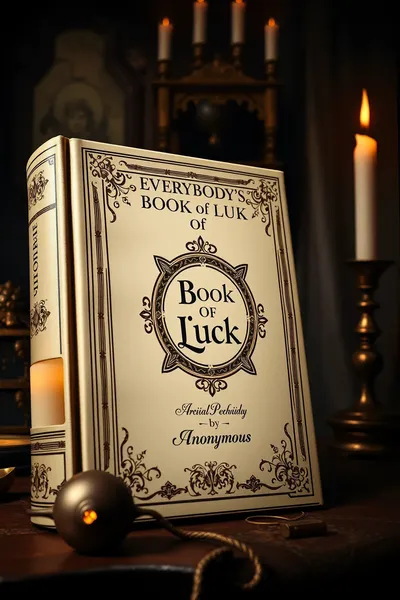
Everybody's Book of Luck

Everybody's Book of Luck

by Anonymous

"Everybody's Book of Luck," an anonymous publication, serves as a charming and accessible guide to various folk traditions and superstitions related to fortune. Likely published in the early 20th century, it compiles an array of methods for attracting good luck and avoiding misfortune, from charms and omens to simple divinatory practices. This book offers a delightful glimpse into popular beliefs surrounding fate and chance, making it an engaging read for anyone interested in the broader cultural landscape of fortune-telling, including the art of Tarot Reading.
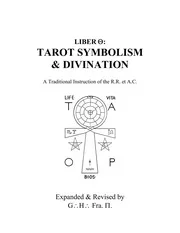
SPY TIP FOLLOWED TAROT CARDS

SPY TIP FOLLOWED TAROT CARDS

by Central Intelligence Agency

This fascinating document, "SPY TIP FOLLOWED TAROT CARDS," originates from the Central Intelligence Agency, highlighting an unusual intersection between intelligence gathering and esoteric practices. Dated from a specific period, it reveals an instance where information or a lead was purportedly derived from or influenced by a Tarot Reading. This unique piece offers a rare glimpse into how divination might be perceived or even utilized in unexpected, high-stakes contexts, providing a compelling real-world example of Tarot's reach.

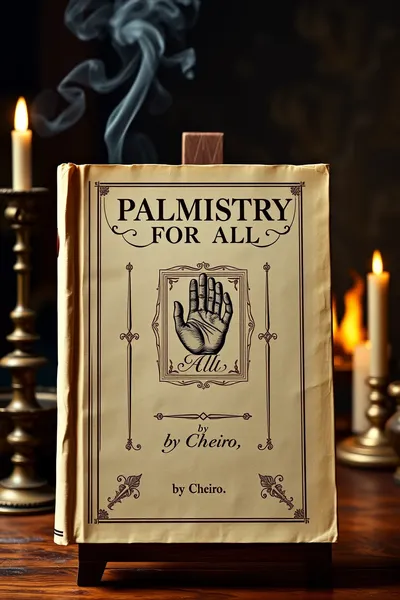
Palmistry for All

Palmistry for All

by Cheiro

"Palmistry for All" by the celebrated Cheiro (William John Warner) is a cornerstone text in the field of chiromancy. First published in 1916, this book democratized palmistry, making it accessible to a wide audience. Cheiro, a world-renowned palmist and astrologer, shares his extensive knowledge, detailing how to interpret the lines, mounts, and shapes of the hand to reveal character and destiny. His clear, engaging style makes this an excellent resource for anyone interested in understanding this ancient art of divination, a valuable companion to Tarot Reading.

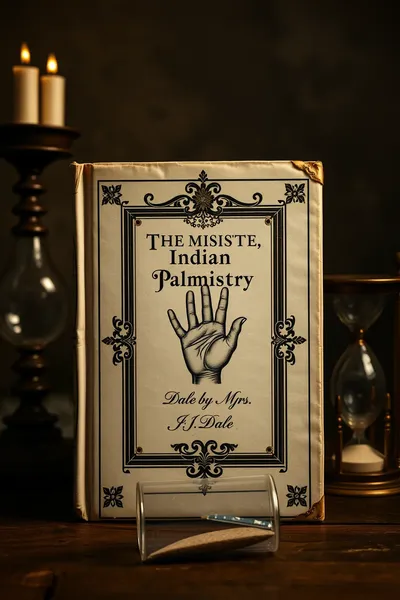
Indian Palmistry

Indian Palmistry

by Dale, J. B., Mrs.

Authored by Mrs. J. B. Dale, "Indian Palmistry" offers a unique perspective on chiromancy, specifically focusing on the traditions and interpretations found within Indian culture. Published in the early 20th century, this book delves into the distinct characteristics and symbolic meanings attributed to the hand in Indian esoteric practices, which often differ from Western palmistry. It provides a rich cultural context for understanding divination, making it an essential read for those exploring diverse global approaches to fortune-telling and self-discovery.

Schemas Of Uncertainty

Schemas Of Uncertainty

by Danae Io, Callum Copley

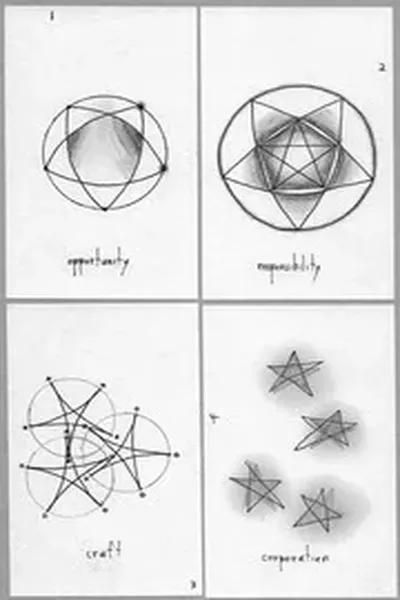
"Schemas Of Uncertainty," co-authored by Danae Io and Callum Copley, is a thought-provoking exploration of how we perceive and manage ambiguity. This contemporary work, likely a philosophical or artistic inquiry, delves into the structures we create to cope with the unknown. While not a divination text, its themes directly relate to the human need for guidance and clarity, which Tarot Reading often provides. It encourages readers to critically examine the frameworks through which they interpret complex situations, mirroring the interpretive process of occult studies.

The Mendal

The Mendal

by Edward Barker

Authored by Edward Barker, "The Mendal" is a unique literary work that explores themes of consciousness and perception. While not directly an occult text, its narrative structure and philosophical underpinnings encourage readers to consider alternative realities and the nature of knowledge, echoing the introspective journey often undertaken in Tarot Reading. The book, published in the mid-20th century, delves into the intricacies of the human mind, offering a compelling read for those who appreciate works that challenge conventional thought and invite deeper contemplation.

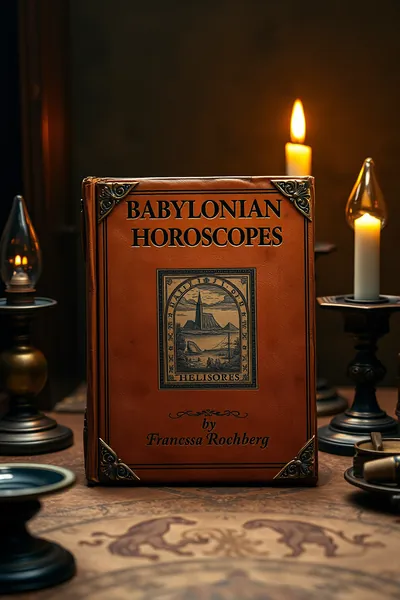
Babylonian Horoscopes

Babylonian Horoscopes

by Francesca Rochberg

Authored by the distinguished scholar Francesca Rochberg, "Babylonian Horoscopes" offers a meticulous academic study of ancient Mesopotamian astrological practices. This work, likely from the late 20th or early 21st century, delves into the earliest known systematic use of celestial observations for divination and prognostication. It provides crucial historical context for understanding the origins of Western astrology and the broader development of esoteric systems, enriching the study of modern divination tools like Tarot by revealing their deep historical roots.

On A Warpath

On A Warpath

by Fyr3Flyt3

"On A Warpath," penned by Fyr3Flyt3, is a creative work that evokes themes of conflict, struggle, and determination. Although not a traditional occult text, its exploration of destiny and personal agency resonates with the philosophical questions often addressed in Tarot Reading. The narrative, likely a modern piece, invites reflection on personal battles and the paths individuals choose, offering a metaphorical lens through which to consider overcoming obstacles and forging one's future. It’s a compelling read for those interested in symbolic storytelling.

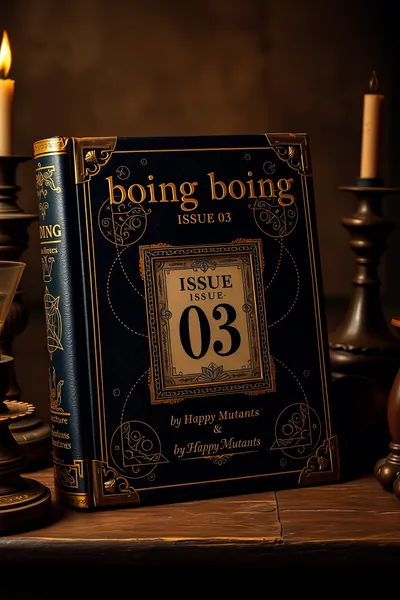
bOING bOING Issue 03

bOING bOING Issue 03

by Happy Mutants

"bOING bOING Issue 03," published by Happy Mutants, is a vibrant example of counter-culture zine publishing from the late 20th century. While not exclusively dedicated to occult topics, such alternative publications often explored fringe science, speculative fiction, and unconventional ideas that resonate with esoteric interests. This specific issue, featuring diverse articles and artwork, provides a cultural context for how mystical and unusual subjects were discussed and perceived outside mainstream media, offering a unique historical snapshot for curious readers.

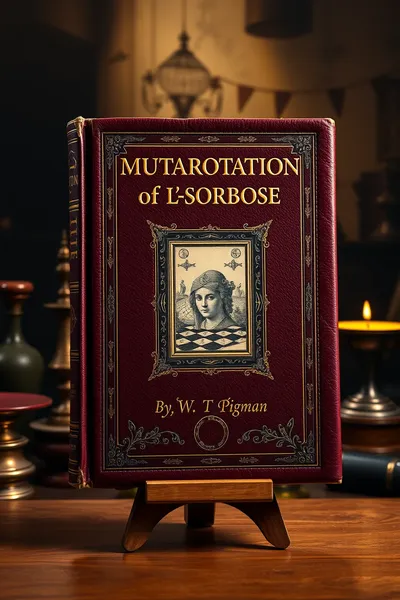
Mutarotation of l-sorbose

Mutarotation of l-sorbose

by Pigman, W.W.

"Mutarotation of l-sorbose" by W.W. Pigman is a highly specialized scientific paper, likely from the mid-20th century, focusing on a specific chemical process in carbohydrates. This academic work exemplifies rigorous scientific inquiry, contrasting sharply with esoteric methodologies. While not related to Tarot Reading, its inclusion in a public domain library highlights the vast scope of human knowledge and the diverse ways in which different fields seek to understand the world, from empirical observation to symbolic interpretation.

I-Ching Divination

I-Ching Divination

by Shih-chuan Chen

Written by Shih-chuan Chen, "I-Ching Divination" provides an insightful exploration into one of the oldest known divination systems, the Chinese I-Ching or Book of Changes. This text meticulously explains the hexagrams, their meanings, and the methods for consulting the oracle, offering profound wisdom for guidance and self-understanding. It bridges ancient philosophy with practical application, allowing readers to engage with a sophisticated system of symbolic interpretation that complements the study of Tarot Reading through its emphasis on change and balance.

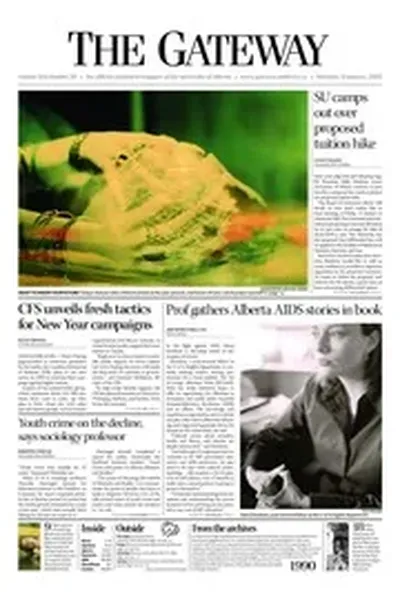
The Gateway (2003-01-09)

The Gateway (2003-01-09)

by University of Alberta

This specific issue of "The Gateway," the student newspaper of the University of Alberta, dated January 9, 2003, offers a snapshot of student life and campus news from the early 21st century. While primarily a collegiate publication, it reflects the diverse interests of its readership, which may include articles on culture, philosophy, or even local events with esoteric undertones. Examining such periodicals can provide a unique social context for understanding how occult topics might be perceived or discussed within a university environment.

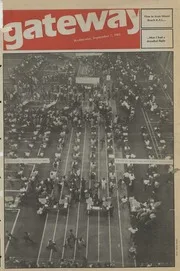
The Gateway (1983-09-07)

The Gateway (1983-09-07)

by University of Alberta

Dated September 7, 1983, this edition of "The Gateway" from the University of Alberta provides a historical glimpse into campus life during the 1980s. Student newspapers often capture prevailing social trends, cultural discussions, and even fringe interests of the era. While its primary focus is not occultism, such publications can occasionally feature articles or advertisements related to astrology, New Age practices, or local esoteric groups, offering valuable insight into the broader cultural reception of such topics decades ago.

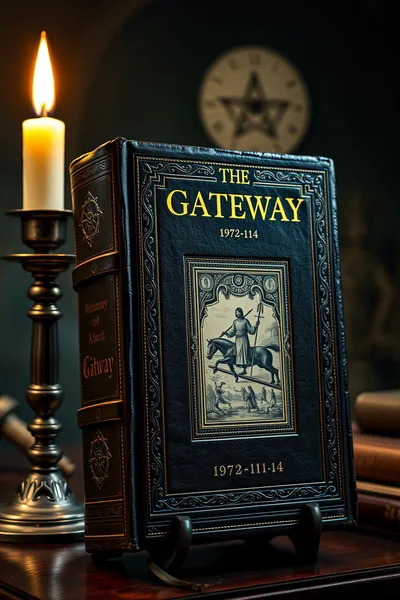
The Gateway (1972-11-14)

The Gateway (1972-11-14)

by University of Alberta

This issue of "The Gateway," the University of Alberta's student newspaper, published on November 14, 1972, captures the spirit and concerns of the early 1970s. During this era, interest in alternative spiritualities and occult practices was burgeoning. While the newspaper's main content would cover campus news, it might also contain articles, opinion pieces, or advertisements that touch upon astrology, parapsychology, or other esoteric subjects, reflecting the era's counter-cultural movements and their influence on student thought.

BANK TICKER

BANK TICKER

by ish

"BANK TICKER," by the author ish, is a fascinating document that provides a snapshot into financial communication systems. While seemingly unrelated to esoteric studies, it represents a form of real-time data interpretation, much like divinatory systems seek to interpret signs for insight. This particular piece, likely from the late 20th or early 21st century, offers a glimpse into how information flows and is processed in a fast-paced environment, highlighting the universal human desire to predict and understand unfolding events, whether financial or personal.

The Inspector's Cryptograms

The Inspector's Cryptograms

by n.d.

"The Inspector's Cryptograms," an undated work, presents a collection of puzzles and coded messages designed to challenge the reader's deductive skills. While not an occult text, the process of deciphering cryptograms shares a conceptual link with interpreting the symbolic language of Tarot Reading. Both activities involve uncovering hidden meanings, recognizing patterns, and applying logic or intuition to reveal underlying messages, making it an intriguing read for those who enjoy intellectual challenges and symbolic decoding.

Esoteric Library
Browse Esoteric Library
📚 All 52,000+ Books 🜍 Alchemy & Hermeticism 🔮 Magic & Ritual 🌙 Witchcraft & Paganism Astrology & Cosmology 🃏 Divination & Tarot 📜 Occult Philosophy ✡️ Kabbalah & Jewish Mysticism 🕉️ Mysticism & Contemplation 🕊️ Theosophy & Anthroposophy 🏛️ Freemasonry & Secret Societies 👻 Spiritualism & Afterlife 📖 Sacred Texts & Gnosticism 👁️ Supernatural & Occult Fiction 🧘 Spiritual Development 📚 Esoteric History & Biography
Esoteric Library
📑 Collections 📤 Upload Your Book
Account
🔑 Sign In Create Account
Info
About Esoteric Library