What is Apocalyptic Literature?
Apocalyptic literature is a genre that focuses on the end of the world, divine intervention, or radical societal transformation. It often involves prophetic visions, cosmic battles between good and evil, and the revelation of hidden knowledge. While frequently religious in origin, the theme extends to secular narratives exploring societal collapse, technological singularity, or environmental catastrophe. These narratives serve as both warnings and explorations of humanity's ultimate fate, reflecting anxieties and hopes about the future.
Best Books for Complete Beginners
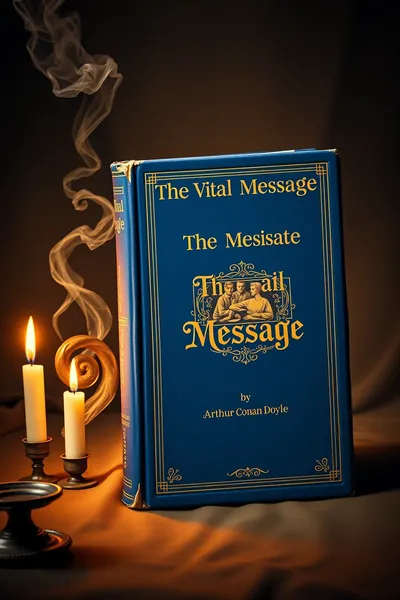
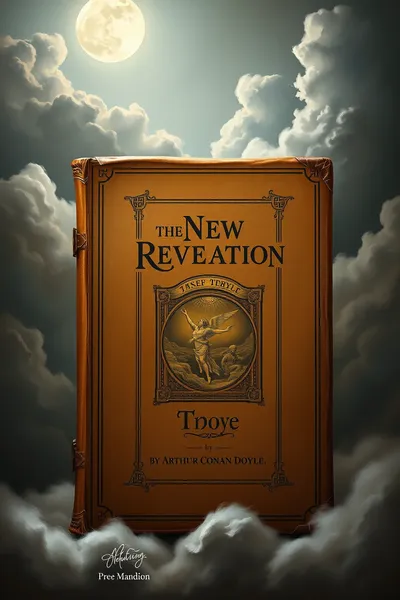
For those new to apocalyptic themes, start with accessible narratives that introduce core concepts. Arthur Conan Doyle's 'The Vital Message' and 'The New Revelation' offer a spiritual perspective on future events and cosmic understanding. 'Old Testament legends' by M.R. James provides a glimpse into less-known apocryphal stories that hint at apocalyptic scenarios. 'The Edda, Volume 1' by Lucy Winifred Faraday introduces the foundational myths of Norse eschatology, a key influence on later apocalyptic thought.
Intermediate Reading
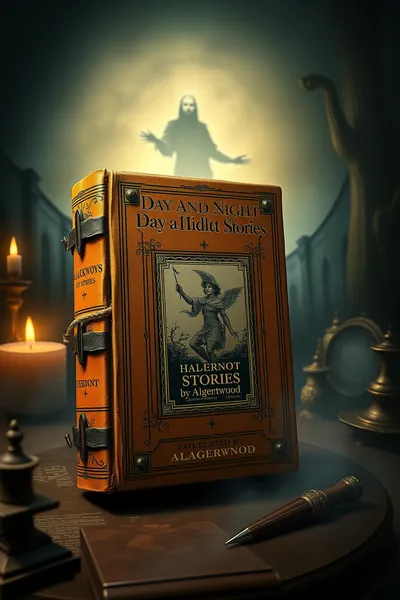
Moving beyond introductory texts, explore works that offer more complex interpretations and historical context. Rudolf Steiner's 'Christianity as Mystical Fact, and the Mysteries of Antiquity' connects apocalyptic ideas to ancient spiritual traditions. Algernon Blackwood's 'Day and Night Stories' explores uncanny and potentially world-altering events through a literary lens. W.B. Yeats' 'The Tables of the Law; & The Adoration of the Magi' engages with esoteric interpretations of biblical prophecy and mystical traditions.
Classical / Advanced Texts
Advanced study requires engaging with primary source material and complex philosophical explorations. Michal Sedziwój's 'A New Light of Alchymie' provides an alchemical perspective on transformation, often linked to end-times narratives. 'Matelda and the cloister of Hellfde' offers mystical insights from medieval religious experience. The works of Paul Foster Case, such as 'Paul Foster Case - BOTA - Introduction to Tarot - 1922', explore esoteric systems that interpret cosmic cycles and future possibilities.
Reading Order — Step by Step
Begin your journey with foundational myths and accessible spiritual narratives. Weeks 1-2: Read 'The Edda, Volume 1' and M.R. James' 'Old Testament legends' to grasp ancient mythological frameworks. Month 1: Transition to Arthur Conan Doyle's 'The Vital Message' and 'The New Revelation' for spiritualistic interpretations. Month 2: Explore intermediate texts like Rudolf Steiner's 'Christianity as Mystical Fact' and Algernon Blackwood's 'Day and Night Stories'. Month 3+: Engage with advanced works such as Michal Sedziwój's 'A New Light of Alchymie' and Paul Foster Case's Tarot studies for deeper esoteric understanding.
Frequently Asked Questions
Which apocalyptic book should I read first?
Start with 'The Edda, Volume 1' by Lucy Winifred Faraday for foundational Norse myths, or Arthur Conan Doyle's 'The Vital Message' for an accessible spiritualistic perspective on future events.
What is the difference between apocalyptic and prophetic literature?
Apocalyptic literature typically focuses on the 'end times' with detailed visions of judgment and transformation, often involving cosmic battles. Prophetic literature can be broader, predicting future events or divine messages, not always tied to a final end.
Are apocalyptic themes always religious?
While originating in religious traditions, apocalyptic themes are now common in secular literature, film, and games, exploring societal collapse due to environmental disaster, technology, or pandemics.
How did Spiritualism influence apocalyptic literature?
Spiritualism, popular in the 19th and early 20th centuries, introduced ideas of communication with the spirit world and revelations about the future, influencing authors like Arthur Conan Doyle and providing a framework for 'new revelations'.
What role does Gnosticism play in apocalyptic thought?
Gnosticism often presents a dualistic worldview where the material world is flawed or evil, and salvation comes through secret knowledge (gnosis). This can tie into apocalyptic narratives about the destruction of the current corrupt world and the revelation of a higher spiritual reality.
Where can I find older, rarer apocalyptic texts?
Many older texts, especially those in the public domain, are available through digital archives and specialized libraries. Look for editions from the late 19th and early 20th centuries, which often explored these themes.