What is Esoteric Christianity?
Esoteric Christianity refers to the study of the inner, hidden, or mystical aspects of Christian belief and practice. It emphasizes direct spiritual experience and understanding beyond literal interpretation of dogma. Key figures and texts explore the symbolic meanings of biblical narratives, the nature of Christ as a spiritual being, and the path of personal transformation through divine connection. This tradition often draws parallels with ancient mystery schools and universal spiritual principles.
Best Books for Complete Beginners
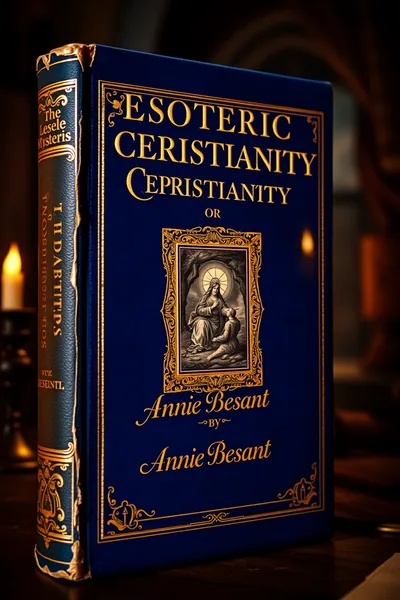
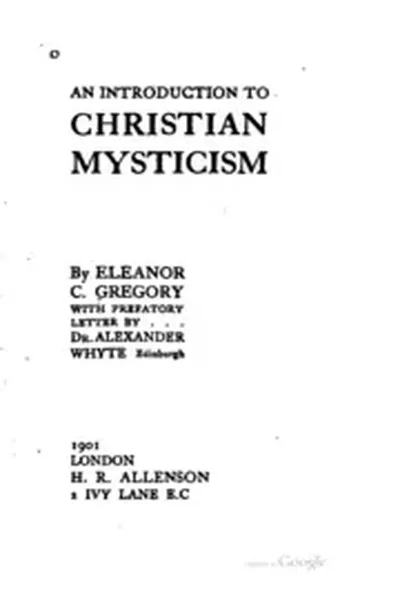
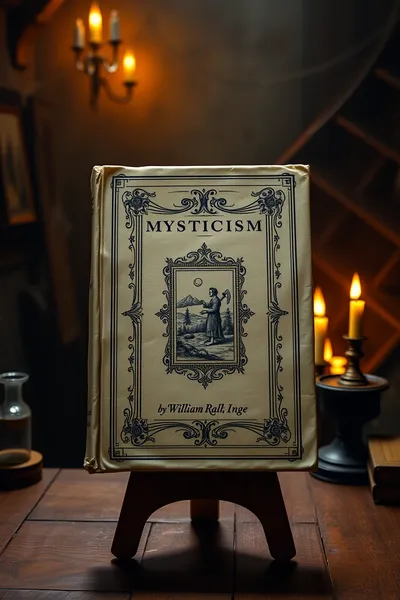
For those new to Esoteric Christianity, starting with accessible overviews is recommended. Annie Besant's 'Esoteric Christianity Or, The Lesser Mysteries' (1913) provides a clear introduction to core concepts. William Ralph Inge's 'Christian Mysticism' offers historical context and analysis of key figures. Eleanor C. Gregory's 'An Introduction to Christian Mysticism' (1901) serves as a gentle entry point, defining terms and outlining primary themes in a straightforward manner.
Intermediate Reading
Moving beyond introductory texts, readers can explore deeper philosophical and practical aspects. Rudolf Steiner's 'Christianity as Mystical Fact, and the Mysteries of Antiquity' presents his unique theosophical perspective. Jakob Böhme's 'Dialogues on the Supersensual Life' offers direct, albeit challenging, dialogues on spiritual perception. Maurice Maeterlinck's 'Ruysbroeck and the Mystics' introduces the work of a significant medieval mystic, making complex ideas more approachable.
Classical / Advanced Texts
Serious students will find value in primary sources and more complex analyses. H. P. Blavatsky's 'Isis unveiled, Volume 1 (of 2), Science' touches on esoteric interpretations of religion and science. The writings of Jakob Böhme, such as 'Dialogues on the Supersensual Life', represent foundational esoteric Christian philosophy. Denys Turner's 'The Darkness Of God Negativity In Christian Mysticism' engages with advanced theological and philosophical concepts in contemporary scholarship.
Reading Order — Step by Step
Begin with foundational introductions. Weeks 1-2: Read Eleanor C. Gregory's 'An Introduction to Christian Mysticism' and Annie Besant's 'Esoteric Christianity Or, The Lesser Mysteries' (1913). Month 2: Engage with Rudolf Steiner's 'Christianity as Mystical Fact, and the Mysteries of Antiquity' and William Ralph Inge's 'Christian Mysticism'. Month 3+: Explore Jakob Böhme's 'Dialogues on the Supersensual Life' and H. P. Blavatsky's 'Isis unveiled, Volume 1'. Continue with advanced texts based on interest.
Frequently Asked Questions
Which Esoteric Christianity book should I read first?
Begin with Eleanor C. Gregory's 'An Introduction to Christian Mysticism' or Annie Besant's 'Esoteric Christianity Or, The Lesser Mysteries' (1913). These texts offer accessible entry points to the core ideas without assuming prior specialized knowledge.
What is the difference between Esoteric and Exoteric Christianity?
Exoteric Christianity refers to the public, outward teachings and practices, often literal. Esoteric Christianity looks at the inner, symbolic, and mystical meanings, emphasizing direct spiritual experience and hidden wisdom accessible to initiates.
Are Esoteric Christianity and Gnosticism the same?
While both traditions emphasize inner knowledge (gnosis) and spiritual experience, they are distinct. Esoteric Christianity often works within or alongside orthodox Christian frameworks, reinterpreting them. Gnosticism, historically, often presented a more radical departure from mainstream Christianity.
What role does symbolism play in Esoteric Christianity?
Symbolism is crucial. Esoteric Christianity interprets biblical stories, rituals, and figures not just literally but as symbolic representations of spiritual truths, psychological processes, and cosmic principles.
Is Rudolf Steiner's work considered part of Esoteric Christianity?
Yes, Rudolf Steiner's 'Anthroposophy' includes a significant focus on the spiritual realities behind Christianity. His work, like 'Christianity as Mystical Fact', offers a unique esoteric interpretation of Christ's life and the development of Christian consciousness.
Where can I find primary sources for early Christian mysticism?
Primary sources often include the writings of the Church Fathers (like Origen, Gregory of Nyssa), Pseudo-Dionysius the Areopagite, and later mystics like Meister Eckhart or Jakob Böhme. Texts like 'Isis unveiled' also discuss ancient sources.