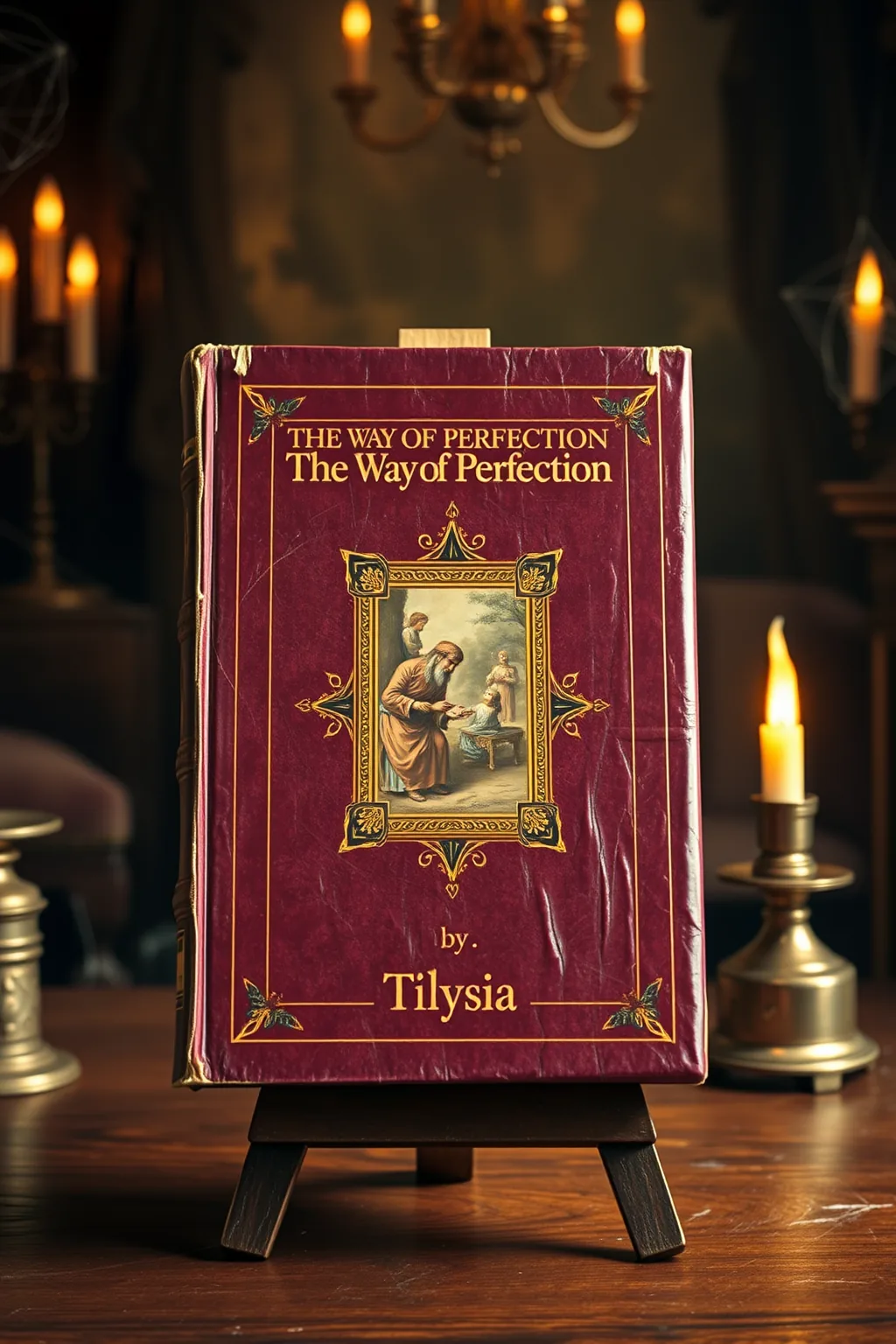
The Way of Perfection
 71
71

The Way of Perfection



The Way of Perfection by St. Teresa of Avila is a timeless masterpiece that remains as relevant today as it was in the 16th century. For modern esoteric seekers, this book offers a wealth of spiritual wisdom and practical guidance. St. Teresa's insights into the nature of prayer and meditation are particularly valuable, providing a framework for deepening one's spiritual practice. Her emphasis on self-examination and detachment from worldly concerns is a powerful antidote to the distractions and anxieties of contemporary life. The book's language and style may seem archaic to some readers, but the underlying message is universal and enduring. St. Teresa's experiences and teachings are a testament to the transformative power of mysticism. For those seeking a deeper connection with the divine, The Way of Perfection is an invaluable resource.
📝 Description
71
Written around 1577, The Way of Perfection guides practitioners toward spiritual advancement.
This text, attributed to St. Teresa of Ávila, addresses nuns in her Carmelite order, aiming to reform their spiritual life. It describes the interior castle of the soul, detailing stages of prayer and union with God. Teresa emphasizes that perfection is attainable for all who follow Christ diligently. She discusses the importance of humility, detachment from worldly things, and the role of virtues in spiritual growth. The book stresses that true prayer is not just about words but about the soul's direct communication with God, requiring constant effort and divine assistance. It outlines methods for cultivating a deeper relationship with the divine, moving from vocal prayer to affective prayer and finally to contemplative union.
Teresa's approach is practical, grounded in her own mystical experiences but presented in accessible terms. She contrasts superficial devotion with genuine spiritual progress, urging readers to embrace suffering as a means of purification. The text serves as a spiritual manual, offering direction on how to overcome obstacles and advance in the spiritual life. It encourages a focus on Christ's humanity as a path to divine love and understanding.
Within Christian mysticism, The Way of Perfection aligns with contemplative traditions that seek direct experience of the divine. It follows in a lineage of mystics who wrote about the soul's journey toward God, such as Pseudo-Dionysius the Areopagite and Meister Eckhart, though Teresa's style is more direct and practical for her audience. Her focus on the 'interior castle' and the progressive stages of prayer is characteristic of the Spanish mystics of the 16th century, including her contemporary John of the Cross. The book reflects a desire to articulate the inner spiritual life in a way that could be understood and practiced by those committed to a life of prayer and renunciation.
💡 Why Read This Book?
Reading The Way of Perfection today offers readers a chance to explore timeless spiritual wisdom. It provides a framework for deepening one's spiritual practice and understanding the mystical traditions of Christianity. By engaging with St. Teresa's teachings, readers can gain insights into self-examination, detachment from worldly concerns, and the pursuit of inner peace. This book is an essential guide for anyone seeking spiritual enlightenment and a deeper connection with the divine.
⭐ Reader Reviews
Honest opinions from readers who have explored this book.
❓ Frequently Asked Questions
What is the main focus of 'The Way of Perfection'?
The main focus of 'The Way of Perfection' is the exploration of Christian mysticism and the soul's journey towards union with the divine. St. Teresa offers practical guidance on spiritual practices such as prayer and meditation.
Who should read 'The Way of Perfection'?
This book is ideal for spiritual seekers, mystics, and anyone interested in the esoteric traditions of Christianity. It is particularly valuable for those looking to deepen their spiritual practice and understanding.
Is 'The Way of Perfection' relevant to modern readers?
Yes, 'The Way of Perfection' remains highly relevant to modern readers. Its timeless wisdom on spiritual practices, self-examination, and inner peace provides valuable insights for navigating contemporary spiritual crises.
🔮 Key Themes & Symbolism
Mystical Union
The Way of Perfection explores the profound experience of union with the divine, a central theme in Christian mysticism. This theme explores the symbolic language and esoteric practices that facilitate this mystical connection. Readers are guided through the stages of spiritual growth, revealing the hidden pathways to divine communion.
Contemplative Practices
Contemplation is a key theme, emphasizing the importance of inner reflection and meditation. The book offers insights into the esoteric techniques used by St. Teresa to achieve a deeper spiritual understanding. These practices are not just historical but offer practical guidance for modern seekers.
Symbolism and Hidden Knowledge
The Way of Perfection is rich in symbolism, using metaphors and allegories to convey hidden knowledge. This theme invites readers to interpret the symbolic language of spirituality, revealing the profound interconnectedness of all things. The book serves as a guide to decoding the esoteric symbols that permeate mystical traditions.
💬 Memorable Quotes
Direct passages from the work, attributed to the author.
“In order to advance in spiritual life, it is necessary to have a pure heart.”
— Purity of heart is essential for spiritual progress, allowing the divine to dwell within the soul.
“The Lord delights in the soul that is pure and simple.”
— Simplicity and purity are virtues that please the divine, making them crucial for spiritual seekers.
“The soul that is united with God is always joyful.”
— Union with the divine brings unending joy, a profound truth for those on the mystical path.
💡 Key Ideas
Editorial paraphrase of the work's core concepts — not direct quotes.
The soul that walks in love, never tires.
This quote underscores the enduring nature of spiritual love and its ability to sustain the soul through trials.
Let nothing disturb you, let nothing frighten you.
This line emphasizes the importance of inner peace and tranquility in the face of life's challenges.
🌙 Esoteric Significance
Tradition
The Way of Perfection belongs to the Christian mystical tradition, which emphasizes direct experience of the divine. This tradition is characterized by its use of esoteric practices, symbolism, and hidden knowledge, all of which are explored in depth in St. Teresa's work.
Symbolism
Key symbols in the book include the soul's journey, the divine union, and the symbolic language of love. These symbols are used to convey deep spiritual truths, making the text a rich source of esoteric insight.
Modern Relevance
The book remains relevant today, offering timeless wisdom for modern practitioners of mysticism. Contemporary seekers and scholars continue to draw inspiration from St. Teresa's insights, making The Way of Perfection a valuable resource for those interested in the esoteric traditions of Christianity.
👥 Who Should Read This Book
Beginners in mysticism will find The Way of Perfection accessible and enlightening, providing a foundational understanding of Christian mystical practices. Scholars of religious studies will appreciate the historical context and esoteric insights offered in the book. Spiritual seekers will find inspiration and guidance in the mystical experiences described, while practitioners of esoteric arts will benefit from the deep symbolism and hidden knowledge presented.
📜 Historical Context
The Way of Perfection was written in the 16th century, a time of significant religious turmoil and spiritual exploration. St. Teresa of Ávila's work emerged during the Counter-Reformation, a period when the Catholic Church was seeking to reaffirm its doctrines and practices. The book reflects the mystical traditions of the time, offering a counterpoint to the rationalism and skepticism that were beginning to take hold. It has had a lasting influence on Christian mysticism, inspiring generations of seekers and scholars.
📔 Journal Prompts
Reflect on the concept of mystical union and how it might manifest in your own spiritual journey?
How does the idea of contemplative practices resonate with your current spiritual practices?
Consider the role of symbolism in your understanding of spirituality. How do symbols enrich your mystical experiences?
In what ways can purity of heart contribute to your spiritual growth?
How does the idea of divine communion influence your daily life and spiritual practices?
🗂️ Glossary
Mystical Union
The profound experience of merging with the divine, a central concept in Christian mysticism.
Contemplation
The practice of deep reflection and meditation, often used to achieve spiritual enlightenment.
Esoteric Symbolism
Symbols and metaphors used to convey hidden knowledge and spiritual truths.
Divine Love
The pure and unconditional love that emanates from the divine, often described in mystical experiences.
Spiritual Growth
The process of advancing in spiritual understanding and connection with the divine.
This book appears in 1 collection
🔮 Readers Also Liked
Browse all →







From the “Christian Mysticism” Collection
View all →



![Kabbalah Dictionary [Hebrew To English].pdf (PDFy mirror)](/img/thumb/kabbalah-dictionary-hebrew-to-english-pdf-pdfy-mirror.webp)


More Free Mysticism & Contemplation Books
View all →