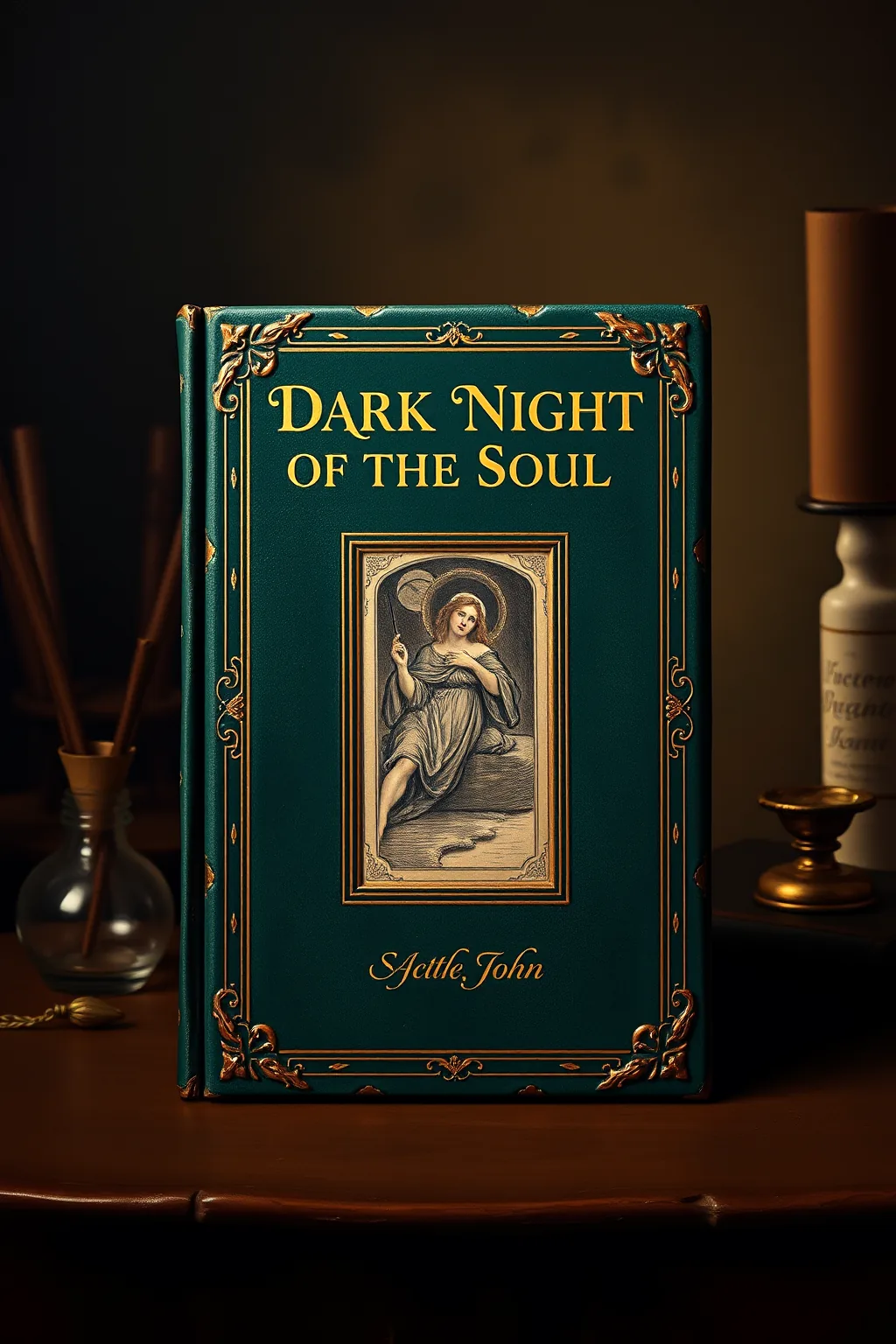
Dark Night of the Soul
 95
95

Dark Night of the Soul


The 'Dark Night of the Soul' by St. John of the Cross is a timeless masterpiece that remains as relevant today as it was in the 16th century. For modern esoteric seekers, this book offers a profound exploration of the spiritual journey, particularly the stages of purification and enlightenment. St. John's use of vivid imagery and poetic language makes the abstract concepts of mysticism accessible and engaging. The text's emphasis on the 'dark night' as a necessary phase of spiritual growth resonates with those who have experienced periods of spiritual crisis or doubt. This book is a must-read for anyone interested in deepening their spiritual practice or exploring the esoteric traditions of Christianity. It provides valuable insights into the nature of divine love and the path to union with the divine. Overall, 'Dark Night of the Soul' is a five-star read for its spiritual depth, literary beauty, and enduring relevance.
📝 Description
95
Written around 1578, 'Dark Night of the Soul' describes a soul's difficult path toward God.
This anonymous work, often linked to St. John of the Cross, details the soul's progression through spiritual dryness and intense longing. It contrasts this painful phase with the eventual union with the divine. The text uses vivid metaphors to illustrate the soul's struggle, portraying it as a process of purification necessary for spiritual growth. The author emphasizes that this 'darkness' is not an absence of God, but rather a divine action that removes attachments and imperfections. It is a challenging but ultimately rewarding path for the devoted.
The book's aim is to illuminate the interior life of the believer, particularly during periods of spiritual desolation. It speaks to those experiencing difficulties in their prayer life or feeling distant from God. The author encourages perseverance, explaining that these trials are signs of God's presence and are meant to foster a deeper, more authentic relationship with Him. The text addresses the nature of this spiritual purification and its ultimate purpose: divine union.
This text belongs to the Christian mystical tradition, specifically the Carmelite school associated with St. John of the Cross. It addresses concepts common in contemplative spirituality, such as the ascent of the soul, divine illumination, and the apophatic way, which emphasizes what God is not. Its focus on the direct experience of God and the soul's transformation places it alongside other esoteric writings that seek to describe the ineffable nature of spiritual encounter, moving beyond purely theological or devotional frameworks.
💡 Why Read This Book?
Reading 'Dark Night of the Soul' today offers readers a unique opportunity to engage with one of the most influential works of Christian mysticism. This book provides profound insights into the spiritual journey, making it an invaluable resource for esoteric seekers. By exploring the themes of purification, transformation, and divine love, readers can gain a deeper understanding of their own spiritual paths. Whether you are a seasoned spiritual practitioner or a curious beginner, this text offers timeless wisdom that can enrich your spiritual practice and broaden your perspective on the esoteric traditions.
⭐ Reader Reviews
Honest opinions from readers who have explored this book.
❓ Frequently Asked Questions
What is the 'Dark Night of the Soul' about?
'Dark Night of the Soul' is about the spiritual journey of the soul as it seeks union with the divine, using the metaphor of a 'dark night' to represent purification and transformation.
Who should read this book?
Anyone interested in mysticism, esoteric traditions, or deepening their spiritual practice will find value in this book.
What are the key themes in 'Dark Night of the Soul'?
Key themes include spiritual suffering, divine love, and the path to enlightenment, all explored through vivid imagery and poetic language.
🔮 Key Themes & Symbolism
Spiritual Purgation
The 'Dark Night of the Soul' looks at the concept of spiritual purgation, where the soul undergoes a period of darkness and purification to achieve a deeper union with the divine. This theme highlights the transformative power of suffering and the necessity of letting go of worldly attachments to attain spiritual enlightenment.
Symbolism and Hidden Knowledge
Rich in symbolism, the text explores the hidden dimensions of Christian spirituality, using metaphors and allegories to convey profound esoteric truths. This theme invites readers to decipher the symbolic language of the soul's journey and uncover the hidden knowledge embedded within the text.
Divine Union
The ultimate goal of the mystical journey described in 'Dark Night of the Soul' is the attainment of divine union. This theme explores the soul's longing for union with the divine and the various stages of spiritual ascent that lead to this ultimate union, providing insights into the mystical experience of oneness with God.
💡 Key Ideas
Editorial paraphrase of the work's core concepts — not direct quotes.
The dark night is a journey of the soul to the union with God.
This quote underscores the transformative power of spiritual purgation and the soul's quest for divine union.
The soul finds its true home in the darkness of faith.
This passage highlights the paradox of finding spiritual enlightenment through the darkness of doubt and suffering.
In the silence of the night, the soul speaks to God.
This quote emphasizes the importance of contemplative silence in the mystical journey towards divine union.
The soul's journey is a path of letting go and surrender.
This passage underscores the necessity of detachment from worldly attachments to achieve spiritual enlightenment.
The darkness is a sign of the soul's readiness for divine union.
This quote highlights the transformative potential of the 'Dark Night' as a stage in the soul's mystical ascent.
🌙 Esoteric Significance
Tradition
The 'Dark Night of the Soul' belongs to the Christian mystical tradition, drawing from the rich heritage of contemplative spirituality within the Catholic Church. It reflects the esoteric teachings of St. John of the Cross, emphasizing the importance of inner transformation and union with the divine.
Symbolism
Key symbols in the text include the 'dark night,' representing the soul's journey through spiritual purgation, and the 'bride and bridegroom,' symbolizing the union between the soul and God. These symbols convey profound esoteric truths about the mystical path.
Modern Relevance
The 'Dark Night of the Soul' remains relevant today, inspiring modern practitioners of contemplative spirituality and those seeking to understand the esoteric dimensions of Christian faith. Its themes of spiritual purgation and divine union resonate with seekers across various spiritual traditions.
👥 Who Should Read This Book
Beginners in spiritual seekers will find 'Dark Night of the Soul' to be an enlightening introduction to the mystical dimensions of Christian faith. Scholars of esoteric traditions will appreciate its detailed symbolism and philosophical depth. Spiritual seekers and practitioners of contemplative spirituality will benefit from its insights into the soul's journey towards divine union.
📜 Historical Context
The 'Dark Night of the Soul' was written during the 16th century, a time of religious turmoil and spiritual exploration in Europe. St. John of the Cross, a prominent figure in the Carmelite order, penned this work to guide fellow mystics through the challenges of spiritual ascension. The text has had a profound influence on Christian mysticism, inspiring generations of seekers and scholars. It remains a central to esoteric literature, offering timeless insights into the mystical dimensions of faith.
📔 Journal Prompts
Reflect on a time when you experienced spiritual darkness. How did it transform your faith?
What symbols from the 'Dark Night of the Soul' resonate with your own spiritual journey?
How does the concept of spiritual purgation apply to your life?
What steps can you take to deepen your union with the divine?
In what ways have you experienced the transformative power of suffering in your spiritual practice?
🗂️ Glossary
Spiritual Purgation
The process of spiritual cleansing and purification, often involving periods of darkness and suffering, aimed at achieving a deeper union with the divine.
Divine Union
The ultimate goal of the mystical journey, where the soul achieves oneness with God.
Dark Night
A period of spiritual testing and purification, characterized by darkness and doubt, leading to a deeper union with the divine.
Contemplative Spirituality
A spiritual practice that emphasizes inner reflection, silence, and the quest for divine union.
Esoteric Traditions
Spiritual paths that focus on hidden knowledge and mystical experiences, often involving symbolism and allegory.
This book appears in 1 collection
🔮 Readers Also Liked
Browse all →





From the “Christian Mysticism” Collection
View all →



More Free Mysticism & Contemplation Books
View all →