Christian Mysticism
 72
72

Christian Mysticism



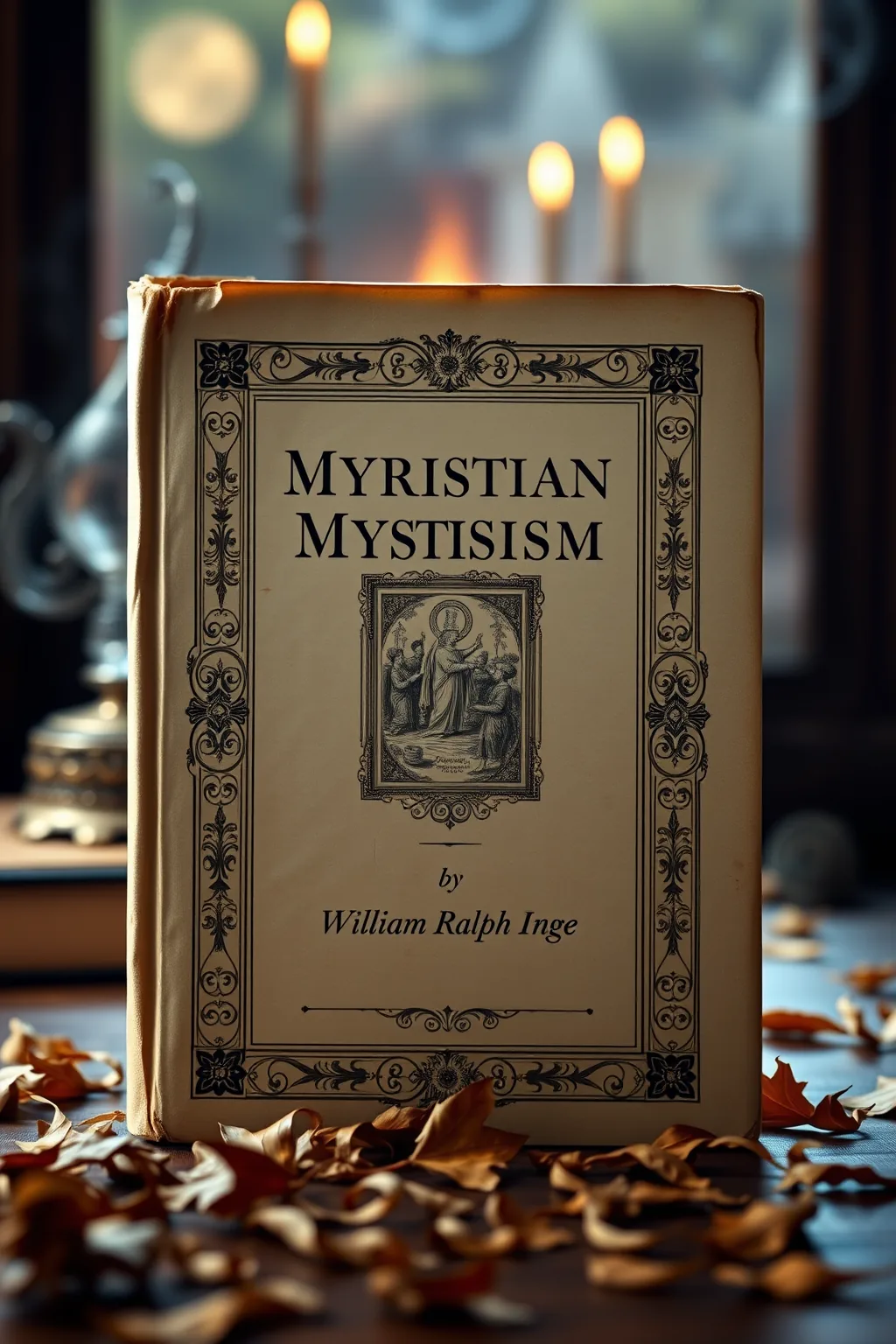
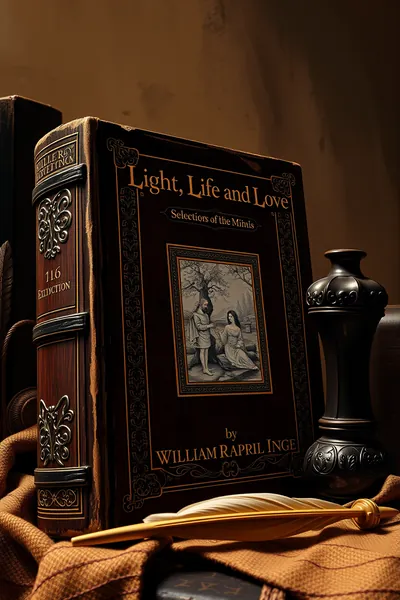
William Ralph Inge's 'Christian Mysticism' remains a cornerstone for understanding the esoteric heart of the Christian tradition. Eschewing mere theological discourse, Inge illuminates the direct, experiential path to the Divine, drawing illuminating connections from Scripture to the profound insights of medieval contemplatives. His distinction between balanced spirituality and its more extreme manifestations is particularly valuable. This work is indispensable for anyone seeking to grasp the profound symbolism and transformative potential inherent in Christian contemplative practice. It serves as a vital bridge between historical doctrine and lived, mystical reality, offering timeless wisdom for the modern spiritual seeker.
📝 Description
72
William Ralph Inge's 1899 Bampton Lectures examine Christian mysticism.
Inge's 1899 lectures, delivered at Oxford, trace the history and practice of Christian mysticism. He begins with the biblical roots and the early Church fathers, moving through medieval figures like Bernard of Clairvaux and Meister Eckhart. The study then considers the Renaissance and Reformation periods, noting how mysticism persisted despite changing religious landscapes. Inge analyzes the language, symbols, and goals of mystics who sought direct experience of the divine.
He argues that Christian mysticism is not separate from orthodox Christianity but an integral part of its spiritual core. Inge differentiates true contemplative experience from mere superstition or emotionalism. The work aims to illuminate the enduring human desire for spiritual union within the Christian tradition. It serves as a guide to understanding the contemplative path for those interested in Christian spirituality.
William Ralph Inge's study situates Christian mysticism within a broader esoteric tradition, though he focuses specifically on its Christian manifestations. He connects the inner life of the Christian mystic to ancient contemplative practices and philosophical ideas that influenced early Christianity. By examining figures and texts often considered outside the mainstream, Inge acknowledges a lineage of spiritual seekers pursuing direct knowledge of the divine. His work is a scholarly attempt to integrate these esoteric currents into a historical understanding of Christian thought, recognizing a persistent undercurrent of experiential religion.
✍️ Author
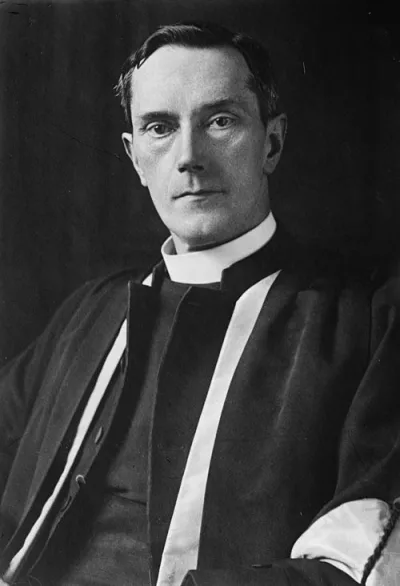
William Ralph Inge
William Ralph Inge was an English author, Anglican priest, and professor of divinity.
Mystic
💡 Why Read This Book?
Uncover the hidden contemplative stream within Christianity. 'Christian Mysticism' offers profound insights into the direct experience of God, the power of spiritual symbolism, and the historical evolution of mystical thought. Ideal for seekers of deeper spiritual meaning, scholars of comparative religion, and practitioners of contemplative prayer who wish to understand the rich esoteric heritage of the Christian faith.
⭐ Reader Reviews
Honest opinions from readers who have explored this book.
❓ Frequently Asked Questions
What is the primary focus of Christian Mysticism?
The primary focus is the direct, experiential knowledge of God, often described as union or communion, through contemplation, prayer, and a transformation of consciousness.
Who was William Ralph Inge?
William Ralph Inge was a prominent Anglican theologian and mystic, known for his scholarly yet deeply spiritual approach to Christian thought, particularly its mystical dimensions.
What distinguishes Inge's approach to mysticism?
Inge emphasizes a balanced, church-minded contemplation, differentiating genuine mystical experience from mere emotionalism or superstition, while grounding it in theological tradition.
What historical periods does Inge cover?
He surveys Christian mystical thought from its biblical origins and the early Church, through the medieval period, and into the early modern traditions.
What is the ultimate aim of Christian Mysticism according to Inge?
The ultimate aim is often seen as achieving a profound, transformative union with the Divine, leading to spiritual illumination and a reorientation of the soul.
🔮 Key Themes & Symbolism
Union with the Divine
This central theme explores the profound aspiration within Christian mysticism for a direct, unmediated connection with God. It examines the various conceptualizations of this union, from ecstatic absorption to a more subtle, abiding presence, examining the spiritual disciplines and transformative processes believed to facilitate this ultimate goal. Inge illuminates how mystics across centuries have articulated this longing for divine intimacy, revealing it as the apex of the spiritual journey within the Christian tradition.
Illumination and Inner Light
Inge unpacks the concept of spiritual illumination – the dawning of divine truth and understanding within the soul. This theme explores how mystics describe receiving insights and wisdom not through external learning alone, but through an inner 'light' bestowed by God. It examines the role of contemplation and prayer in clearing the mind and spirit to receive this divine radiance, transforming perception and leading to a deeper apprehension of spiritual realities and the nature of the divine.
Symbolism and Sacred Language
This theme investigates the wide range of symbolism and metaphorical language employed by Christian mystics to express ineffable spiritual experiences. Inge highlights how scriptural imagery, allegories, and poetic expressions serve as crucial vehicles for conveying truths that transcend ordinary language. Understanding this symbolic lexicon is presented as vital for unlocking the deeper meanings within mystical texts and appreciating the nuanced ways in which mystics have attempted to articulate their encounters with the divine.
💬 Memorable Quotes
Direct passages from the work, attributed to the author.
“The mystical experience is the vision of God.”
— This concise statement expresses the core of Christian mysticism: the ultimate spiritual pursuit is a direct, personal apprehension of the Divine Being.
“Contemplation is the highest exercise of the soul.”
— This highlights the central role of quiet, focused spiritual attention and communion as the most profound and transformative activity of the human spirit.
“Love is the key that unlocks the door.”
— This emphasizes the paramount importance of divine love, both received and given, as the essential element enabling closeness and union with God.
“The world is a symbol of God.”
— This suggests that the material and visible creation is infused with divine meaning, serving as a pointer or reflection of its divine source.
“We are always in the presence of God.”
— This points to the immanence of the Divine, suggesting that God is not distant but ever-present, and mystical awareness involves perceiving this constant reality.
🌙 Esoteric Significance
Tradition
This work is deeply rooted in the esoteric tradition of Christian contemplation, a lineage that seeks direct, unmediated experience of the Divine through inner disciplines. It aligns with movements like Gnosticism in its emphasis on hidden knowledge and illumination, and shares with Neoplatonism a philosophical framework for understanding ascent towards the One. Inge navigates these connections, highlighting how Christian mystics synthesized classical philosophical insights with biblical revelation to create a unique path of spiritual realization.
Symbolism
Inge elucidates the profound symbolic language employed by Christian mystics, where figures like the Bride and Bridegroom in the Song of Songs, or the sacraments, become potent symbols for the soul's union with God. Light, darkness, the journey, and the cross are explored not just as literal concepts but as metaphorical maps for spiritual transformation. The book reveals how these symbols act as conduits, bridging the gap between the material world and the ineffable divine, offering keys to unlock deeper spiritual understanding.
Modern Relevance
In an era often characterized by disconnection and a search for meaning, Inge's exploration of Christian mysticism offers a compelling antidote. His emphasis on inner experience, direct communion, and the transformative power of spiritual practice resonates deeply with contemporary seekers. The book provides a valuable framework for understanding the enduring human desire for transcendence and offers timeless wisdom for cultivating a richer, more meaningful spiritual life, demonstrating that the ancient paths of contemplation remain vital for navigating modern challenges.
👥 Who Should Read This Book
This foundational text is essential for anyone seeking to understand the soul of Christian spirituality. **Beginners** will find a clear, authoritative introduction to the core concepts and history of Christian mysticism. **Scholars** of theology, comparative religion, and philosophy will appreciate Inge's rigorous scholarship and nuanced analysis. **Spiritual seekers** yearning for a deeper, more personal connection with the Divine will discover useful insights and practical wisdom. **Practitioners of contemplative prayer** will find their experiences illuminated and contextualized within a rich historical and theological tradition, enriching their own devotional path.
📜 Historical Context
Published in 1899, 'Christian Mysticism' emerged during a period of significant intellectual and spiritual ferment in Britain. The late Victorian era witnessed a renewed interest in religious experience, a questioning of purely materialist worldviews, and a flourishing of scholarship in theology and comparative religion. Inge's Bampton Lectures, delivered at Oxford, placed Christian mysticism within a broader historical and philosophical context, engaging with both classical sources and contemporary debates. The book reflects a desire to reclaim the experiential and devotional dimensions of faith in an age increasingly shaped by scientific rationalism and secularization, offering a scholarly yet deeply reverent exploration of the perennial human quest for the transcendent within the Christian tradition.
📔 Journal Prompts
Reflect on a personal experience that felt like a moment of profound 'illumination' or insight. What triggered it, and what was its lasting impact?
How does the concept of 'union with God' resonate with your own spiritual aspirations or understanding of life's purpose?
Identify a symbol from nature or everyday life that you feel holds deeper spiritual meaning for you. Explore its potential symbolic resonance.
Consider the distinction Inge makes between 'balanced contemplation' and 'excesses'. Where do you see this balance sought or challenged in contemporary spirituality?
In what ways do you believe the 'esoteric' or hidden dimensions of faith can enrich a person's understanding and practice of their religious tradition?
🗂️ Glossary
Mysticism
The direct, intuitive, and often ineffable experience of the divine or ultimate reality, characterized by a profound sense of union or communion with the sacred.
Contemplation
A form of prayer or spiritual practice involving deep, sustained reflection and focused attention, aimed at achieving a closer relationship with God or a higher spiritual state.
Illumination
The reception of divine knowledge or spiritual insight, often described as a sudden dawning of understanding or truth within the soul, beyond ordinary rational processes.
Union (Theosis/Deification)
In Christian mysticism, the state of profound communion and spiritual oneness with God, where the soul is transformed by divine grace, becoming 'partaker of the divine nature'.
Asceticism
A practice of rigorous self-discipline and self-denial, often involving fasting, solitude, and renunciation of worldly pleasures, undertaken to purify the soul and advance spiritual progress.
This book appears in 1 collection
🔮 Readers Also Liked
Browse all →




More by William Ralph Inge
All books →

From the “Christian Mysticism” Collection
View all →




More Free Mysticism & Contemplation Books
View all →