Annie Besant
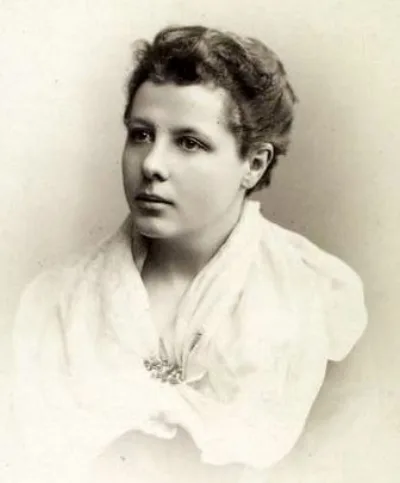
Annie Besant was a British socialist, theosophist, and activist who championed women's rights, Indian nationalism, and esoteric thought.
Annie Besant, born in 1847, was a multifaceted British figure involved in socialism, women's rights, and eventually, theosophy. Initially a prominent speaker for the National Secular Society and a close associate of Charles Bradlaugh, she was involved in various social reform movements, including union actions and advocating for birth control. Her early activism also saw her elected to the London School Board. Besant's intellectual and spiritual journey took a significant turn when she encountered Helena Blavatsky and the Theosophical Society. This led her to become a dedicated proponent and lecturer of theosophy, traveling to India to further its cause and establish educational institutions. She also played a crucial role in Indian politics, supporting Home Rule and becoming the first female president of the Indian National Congress. Her later years were dedicated to both Indian independence and theosophical pursuits, including her controversial promotion of Jiddu Krishnamurti as a spiritual leader.
Early Activism and Secularism
Annie Besant began her public life as a vigorous advocate for secularism and social reform. As a prominent speaker and writer for the National Secular Society, she fearlessly challenged religious dogma and championed causes such as women's rights, workers' rights, and birth control. Alongside Charles Bradlaugh, she faced prosecution for publishing controversial material on contraception, a landmark case that brought the issue of reproductive health into public discourse. Her activism extended to labor movements, including participation in significant demonstrations and strikes. Besant's early career was marked by her powerful oratory and prolific writing, establishing her as a leading voice for freethought and social justice in Victorian England.
Embrace of Theosophy and Esoteric Thought
In 1890, Annie Besant's life took a profound turn with her introduction to Helena Blavatsky and the Theosophical Society. Her engagement with theosophy gradually eclipsed her secular interests, leading her to become a devoted student and influential lecturer on its principles. Besant's commitment to theosophy involved extensive travel, particularly to India, where she actively participated in the establishment of educational institutions like the Central Hindu School. She also became a significant figure within the International Order of Co-Freemasonry, founding overseas lodges. In 1907, she ascended to the presidency of the Theosophical Society, guiding its international headquarters in Adyar, India.
Indian Nationalism and Political Leadership
Besant's deep involvement in India extended beyond her theosophical work to encompass political activism. She joined the Indian National Congress, becoming a fervent supporter of self-rule for India. During World War I, she co-founded the Home Rule League, advocating for democratic governance and dominion status for India within the British Empire. Her leadership in these movements culminated in her historic election as the first female president of the Indian National Congress in 1917. In her later years, she continued to champion Indian independence alongside her ongoing commitment to theosophical principles.
Key Ideas
- Advocacy for birth control and reproductive health.
- Promotion of women's rights and equality.
- Support for secularism and freethought.
- Championing Indian Home Rule and nationalism.
- Spreading the teachings of theosophy.
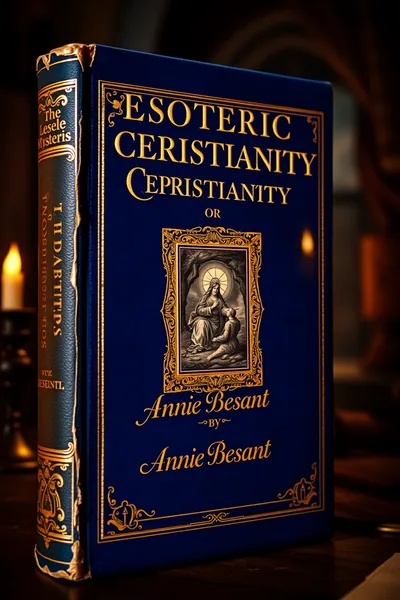
Books by Annie Besant
15 free public domain books · Read online or download