Christian Mysticism
 69
69

Christian Mysticism



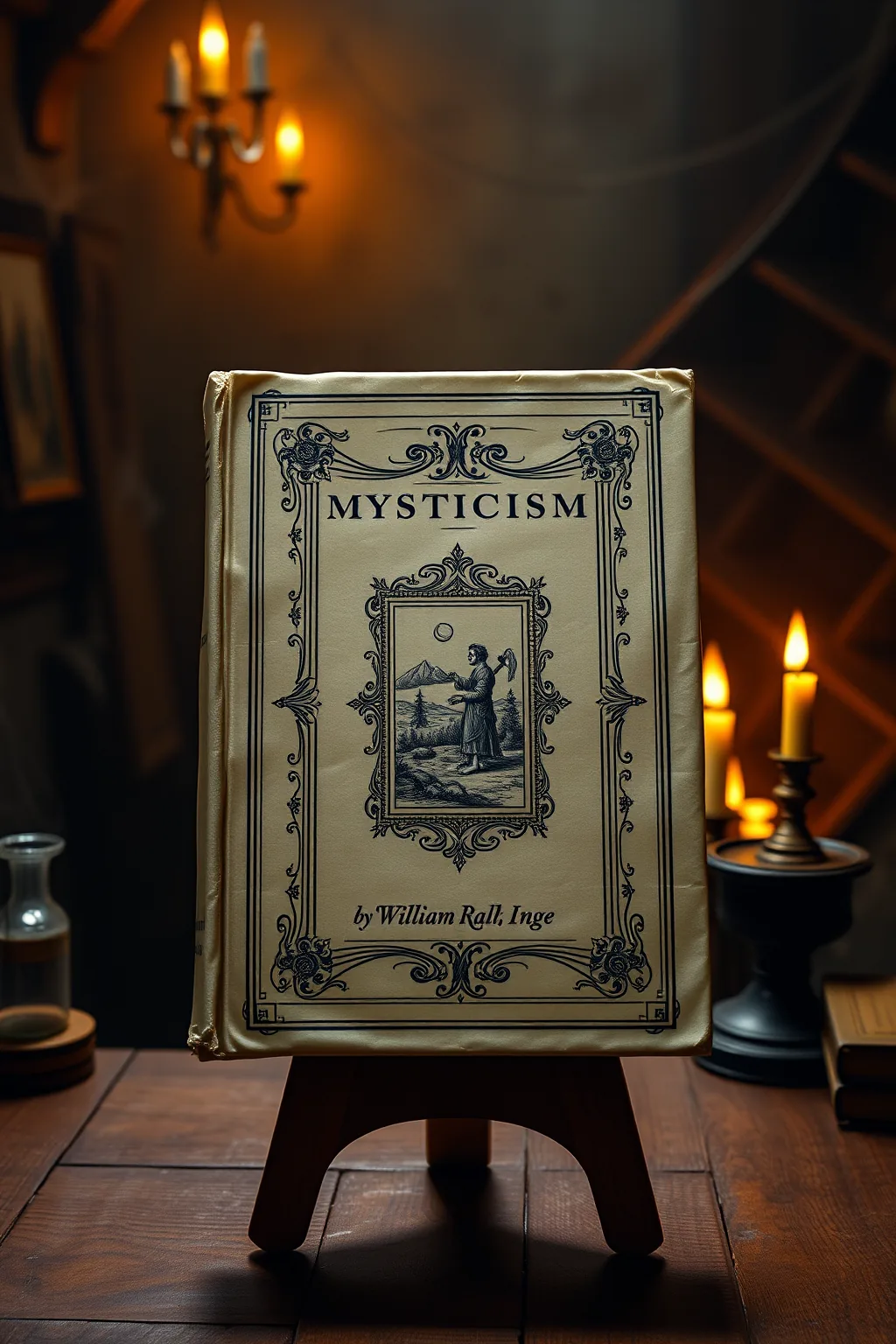
William Ralph Inge's 'Christian Mysticism' is a timeless classic that remains relevant for modern esoteric seekers. Published in 1860, this work provides a deep dive into the mystical traditions of Christianity, offering readers a comprehensive understanding of the contemplative practices that have enriched the faith for centuries. Inge's scholarly approach and eloquent prose make complex theological concepts accessible, making this book an invaluable resource for both academic study and personal spiritual growth. The text is particularly valuable for those interested in the esoteric dimensions of Christianity, as it explores the mystical experiences of saints and theologians who sought direct communion with the divine. Inge's insights into the psychological and spiritual benefits of contemplation are as relevant today as they were in his time, providing a roadmap for modern seekers looking to deepen their spiritual practice. The book's historical context and thorough analysis of key mystical figures make it a must-read for anyone interested in the intersection of Christianity and mysticism.
📝 Description
69
William Ralph Inge's 'Christian Mysticism' examines the historical development of mystical thought in Christianity.
Published in 1919, William Ralph Inge's 'Christian Mysticism' investigates the historical manifestations of mystical experience within the Christian faith. Inge traces the development of this tradition from its early roots, examining key figures and movements that shaped its expression. The book addresses the philosophical underpinnings and symbolic language employed by Christian mystics across different eras.
Inge's work aims to illuminate the intellectual and spiritual currents that characterize mystical thought. It considers how these experiences relate to broader theological frameworks and the individual's pursuit of divine understanding. The book offers a detailed account of the concepts and practices associated with Christian mysticism, presenting them for serious consideration by students of theology and religious history.
This study situates Christian mystical traditions within a broader historical and philosophical context. It acknowledges the existence of contemplative practices and esoteric interpretations within religious frameworks. The book's focus on the inner life and direct experience of the divine aligns with themes found in various esoteric traditions that seek understanding beyond exoteric religious structures. Inge's approach, while academic, engages with the substance of these mystical claims.
✍️ Author
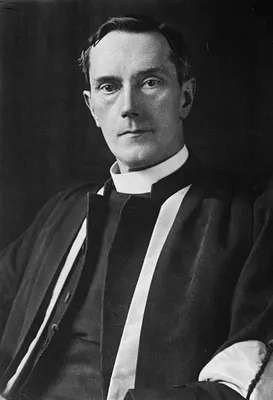
Inge, William Ralph
William Ralph Inge was an English author, Anglican priest, professor of divinity, and dean of St Paul's Cathedral.
💡 Why Read This Book?
Reading 'Christian Mysticism' today offers a unique opportunity to explore the esoteric traditions of Christianity in depth. This book provides valuable insights into the mystical experiences and contemplative practices that have shaped the faith for centuries. Whether you are a theologian, a spiritual seeker, or simply curious about the mystical dimensions of Christianity, this text offers a wealth of knowledge and inspiration. By delving into the writings of mystical saints and theologians, you will gain a deeper understanding of the spiritual benefits of contemplation and how they can enrich your own spiritual journey.
⭐ Reader Reviews
Honest opinions from readers who have explored this book.
❓ Frequently Asked Questions
What is the main focus of 'Christian Mysticism'?
The main focus of 'Christian Mysticism' is the exploration of the mystical and contemplative traditions within Christianity. It delves into the experiences and practices of mystical saints and theologians throughout history.
Who should read this book?
This book is ideal for scholars, theologians, and spiritual seekers interested in the esoteric dimensions of Christianity. It is also valuable for anyone looking to deepen their understanding of contemplative practices within the Christian faith.
Is 'Christian Mysticism' relevant for modern readers?
Yes, 'Christian Mysticism' remains highly relevant for modern readers. Its insights into the mystical experiences and contemplative practices of Christianity offer timeless wisdom that can enrich the spiritual journeys of contemporary seekers.
🔮 Key Themes & Symbolism
Mystical Experience
Inge studies the profound mystical experiences that lie at the heart of Christian mysticism, offering insights into the divine encounters that transform the soul.
Symbolism and Hidden Knowledge
The book unveils the strong symbolism and hidden knowledge embedded within Christian mystical traditions, revealing the deeper meanings behind sacred symbols.
Spiritual Contemplation
Inge's work encourages readers to engage in spiritual contemplation, providing a pathway to deeper understanding and enlightenment through mystical practices.
💬 Memorable Quotes
Direct passages from the work, attributed to the author.
“Mysticism is the art of union with reality.”
— Inge emphasizes the transformative power of mystical experiences in uniting the soul with the divine.
“Symbolism is the language of the soul.”
— Inge suggests that symbols hold deep, hidden meanings that resonate with the soul's mystical dimensions.
“The divine mysteries lie beyond the ordinary realm.”
— Inge invites readers to explore the mystical dimensions of faith, revealing the profound secrets of the divine.
💡 Key Ideas
Editorial paraphrase of the work's core concepts — not direct quotes.
The soul is a mystical entity.
This quote highlights the esoteric nature of the soul and its capacity for divine encounters.
Contemplation is the key to spiritual enlightenment.
This quote underscores the importance of contemplative practices in achieving spiritual growth and understanding.
🌙 Esoteric Significance
Tradition
This book belongs to the Hermetic tradition of Christian mysticism, which emphasizes the hidden wisdom and spiritual transformation through direct experience of the divine.
Symbolism
Key symbols in the book include the cross, the sacred heart, and the mystical union, each holding profound meanings related to spiritual enlightenment and divine encounter.
Modern Relevance
Today, 'Christian Mysticism' remains relevant for modern practitioners seeking to integrate mystical experiences into their spiritual lives, offering insights into the timeless quest for divine union.
👥 Who Should Read This Book
Beginners interested in Christian mysticism will find this book accessible and enlightening, providing a foundation for further exploration. Scholars of esoteric studies will appreciate the depth of Inge's research and insights. Spiritual seekers will benefit from the profound contemplative practices and mystical experiences described. Practitioners of contemplative disciplines will find valuable guidance and inspiration for their spiritual journeys.
📜 Historical Context
Written in the early 20th century, 'Christian Mysticism' by William Ralph Inge emerged during a time of significant spiritual and intellectual ferment. Inge's work was important as it sought to bridge the gap between scholarly study and personal spiritual experience. The book's influence can be seen in the renewed interest in mystical traditions and the integration of esoteric knowledge into modern spiritual practices.
📔 Journal Prompts
Reflect on a mystical experience you have had and how it transformed your understanding of faith.
Explore the symbolism in your own spiritual practice and its deeper meanings.
Consider the role of contemplation in your spiritual growth and enlightenment.
Write about the divine mysteries that lie beyond the ordinary realm and their significance to you.
Think about how the Hermetic tradition influences your understanding of Christian mysticism.
🗂️ Glossary
Mysticism
The pursuit of direct, personal experience of the divine, often through contemplative practices.
Symbolism
The use of symbols to represent deeper, hidden meanings and spiritual truths.
Contemplation
A spiritual practice involving deep reflection and meditation to achieve union with the divine.
Hermetic Tradition
A spiritual tradition emphasizing hidden wisdom and the transformation of the soul through divine encounter.
Divine Mysteries
The profound, inexplicable aspects of the divine that lie beyond ordinary understanding.
This book appears in 1 collection
🔮 Readers Also Liked
Browse all →




More by Inge, William Ralph
All books →


From the “Christian Mysticism” Collection
View all →





More Free Mysticism & Contemplation Books
View all →