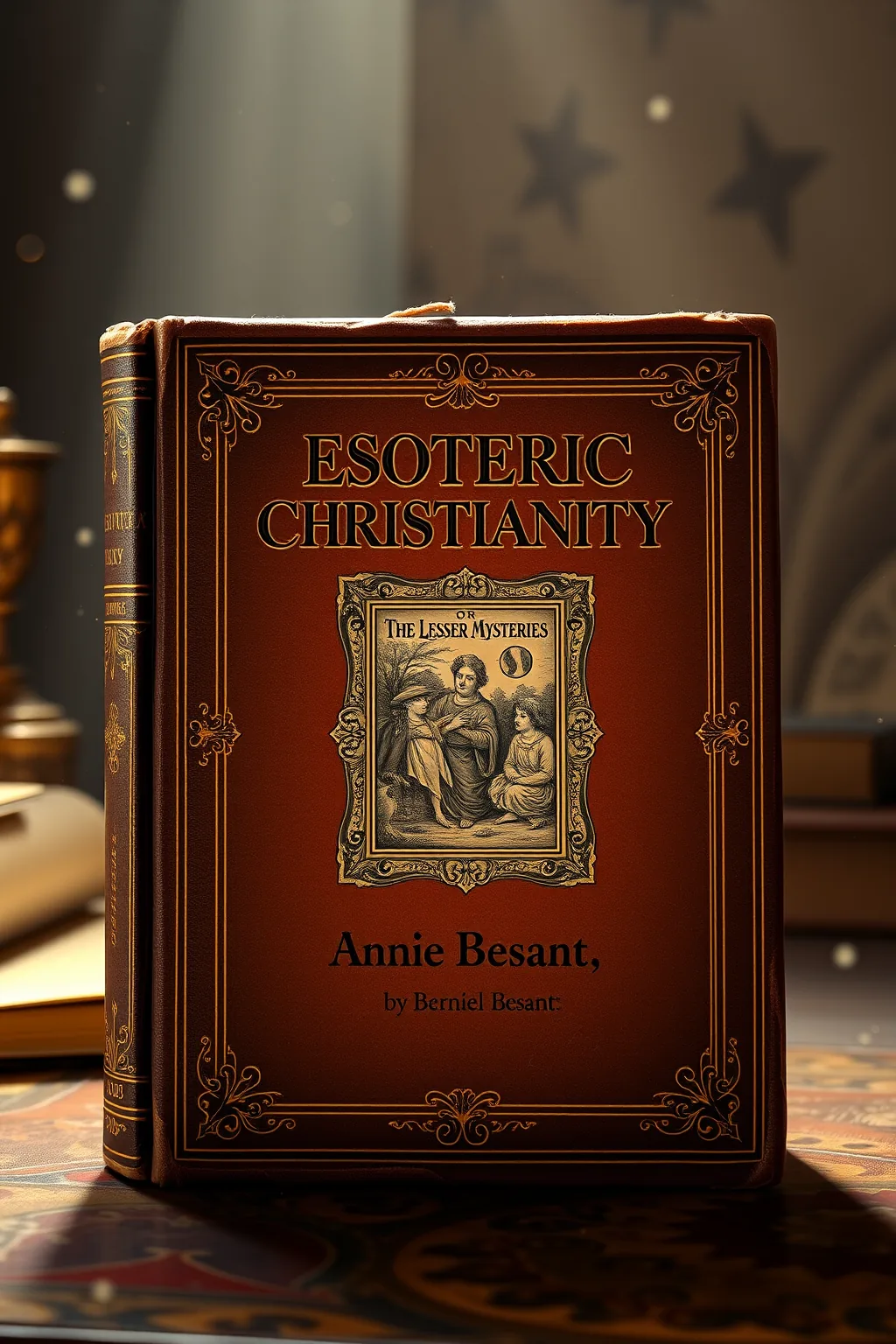
Esoteric Christianity, or The Lesser Mysteries
 69
69

Esoteric Christianity, or The Lesser Mysteries


'Esoteric Christianity, or The Lesser Mysteries' by Annie Besant is a treasure trove for those delving into the mystical side of Christianity. Besant's work is meticulously researched and beautifully written, making complex esoteric concepts accessible to a wide audience. The book's value lies in its ability to bridge the gap between traditional Christian theology and the esoteric traditions of Theosophy and Anthroposophy. For modern esoteric seekers, this text offers a unique perspective on Christian mysticism, revealing layers of meaning that are often overlooked in mainstream religious teachings. Besant's insights into the symbolism and rituals of Christianity provide a fresh lens through which to view these ancient practices. The book is particularly relevant today, as there is a growing interest in spiritual exploration and the integration of Eastern and Western spiritual traditions. Besant's work serves as a guiding light for those seeking a deeper understanding of the esoteric dimensions of Christianity.
📝 Description
69
Annie Besant published 'Esoteric Christianity, or The Lesser Mysteries' in 1901.
Annie Besant's 1901 work, 'Esoteric Christianity, or The Lesser Mysteries,' examines Christian doctrines from a Theosophical perspective. Besant sought to reveal the symbolic and allegorical meanings she believed lay beneath the surface of orthodox Christian teachings. She argued that many familiar Christian stories and rituals held deeper, esoteric significance, accessible to those with a developed inner perception.
The book discusses concepts such as the Christ principle, the nature of salvation, and the path of spiritual development within a framework informed by Theosophy. Besant connects these ideas to ancient mystery traditions, suggesting a continuity of esoteric knowledge across cultures and epochs. Her aim was to present a view of Christianity that resonated with spiritual seekers looking beyond literal interpretations.
Written in 1901, 'Esoteric Christianity' emerged during a period of heightened interest in spiritualism and alternative religious thought. Besant, a prominent figure in Theosophy, situated her interpretation within this broader movement, which often sought to find common threads between world religions and rediscover ancient wisdom. The book engages with the Theosophical idea that major religions contain an underlying spiritual science, accessible through intuition and inner experience, and that Christianity, like others, has concealed esoteric teachings alongside its exoteric form.
✍️ Author
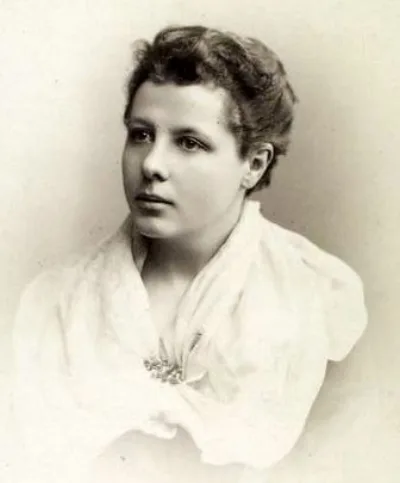
Besant, Annie
Annie Besant was an English socialist, theosophist, freemason, and activist for women's rights and education.
Theosophist
💡 Why Read This Book?
Reading 'Esoteric Christianity, or The Lesser Mysteries' today offers readers a unique opportunity to explore the mystical underpinnings of Christianity. Besant's insights provide a deeper understanding of the esoteric traditions that have influenced Christian thought and practice. This book is essential for anyone interested in the intersection of spirituality and esotericism, offering a rich tapestry of spiritual insights that can enrich one's spiritual journey. By delving into the lesser-known teachings of Christianity, readers can gain a broader perspective on the spiritual landscape and discover hidden dimensions of faith.
⭐ Reader Reviews
Honest opinions from readers who have explored this book.
❓ Frequently Asked Questions
What is the main focus of 'Esoteric Christianity, or The Lesser Mysteries'?
The main focus of this book is the exploration of the esoteric and mystical aspects of Christianity, drawing on Theosophical and Anthroposophical principles to reveal hidden teachings and symbolism within Christian traditions.
Who should read this book?
This book is ideal for spiritual seekers, Theosophists, Anthroposophists, and anyone interested in the deeper, mystical dimensions of Christianity.
How does this book contribute to modern esoteric studies?
Annie Besant's work provides a unique perspective on Christian mysticism, bridging traditional theology with esoteric traditions, making it a valuable resource for modern spiritual exploration.
🔮 Key Themes & Symbolism
Hidden Knowledge
Besant reveals the concealed wisdom within Christian teachings, emphasizing the importance of esoteric understanding in spiritual growth. She explores how hidden knowledge can transform one's perception of religion and spirituality.
Symbolism and Rituals
The book studies the profound symbolism and rituals of Christianity, unveiling their deeper meanings and esoteric significance. Besant's analysis offers a fresh perspective on familiar religious practices, inviting readers to see them in a new light.
Spiritual Transformation
Besant's exploration of Christian mysticism aims to facilitate spiritual transformation in readers. By uncovering the esoteric dimensions of Christianity, she guides seekers on a journey of self-discovery and spiritual enlightenment.
💬 Memorable Quotes
Direct passages from the work, attributed to the author.
“Symbolism is the language of the soul.”
— Besant emphasizes the importance of understanding religious symbols for spiritual growth.
“Ancient mysteries hold the key to modern spiritual insights.”
— Besant bridges the gap between ancient wisdom and contemporary spiritual inquiry.
💡 Key Ideas
Editorial paraphrase of the work's core concepts — not direct quotes.
The mysteries of Christianity are not mere legends but living truths.
This quote underscores Besant's belief in the transformative power of esoteric knowledge.
The true seeker finds enlightenment within the heart of Christianity.
This quote highlights the book's focus on inner spiritual discovery.
The esoteric path leads to a deeper understanding of divine truth.
This quote reflects the book's emphasis on the transformative power of esoteric knowledge.
🌙 Esoteric Significance
Tradition
This book belongs to the Theosophical tradition, which seeks to uncover the hidden wisdom within various religious and spiritual traditions. Besant's work emphasizes the esoteric dimensions of Christianity, drawing on ancient mysteries and occult teachings.
Symbolism
Key symbols include the cross, the sacred heart, and various religious rituals, each imbued with deeper, esoteric meanings. Besant's analysis reveals the spiritual significance behind these symbols, offering a fresh perspective on Christian mysticism.
Modern Relevance
Today, 'Esoteric Christianity' remains relevant for modern practitioners of esoteric and mystical traditions. Its insights into hidden knowledge and spiritual transformation continue to inspire seekers on their spiritual journeys.
👥 Who Should Read This Book
Beginners interested in Christian mysticism will find this book an excellent introduction to esoteric themes. Scholars of religion and Theosophy will appreciate Besant's clear insights and scholarly approach. Spiritual seekers and practitioners of esoteric traditions will benefit from the book's transformative teachings and ancient wisdom. Those with a background in occult studies will find Besant's analysis particularly enlightening.
📜 Historical Context
Published in the late 19th century, 'Esoteric Christianity, or The Lesser Mysteries' emerged during a time of significant spiritual and intellectual ferment. Annie Besant, a prominent Theosophist, sought to revive interest in the mystical and esoteric dimensions of Christianity, which had been largely overshadowed by orthodox interpretations. The book's influence can be seen in the resurgence of interest in Christian mysticism and the occult during the early 20th century, inspiring generations of spiritual seekers and scholars.
📔 Journal Prompts
How does the concept of hidden knowledge in Christianity resonate with your spiritual journey?
What symbols in Christianity hold deeper meanings for you, and why?
In what ways can understanding esoteric dimensions of Christianity facilitate spiritual transformation?
How does Besant's approach to Christian mysticism differ from traditional interpretations?
What ancient mysteries in Christianity do you find most intriguing, and how do they relate to modern spirituality?
🗂️ Glossary
Esoteric Christianity
The study of hidden, mystical dimensions within Christian theology and teachings.
Theosophy
A spiritual movement that seeks to uncover the hidden wisdom within various religious and spiritual traditions.
Mysticism
The pursuit of direct, personal experience of the divine or ultimate reality.
Occult
The study of hidden or secret knowledge, often involving mystical or supernatural elements.
Symbolism
The use of symbols to represent deeper, often spiritual, meanings within religious teachings.
This book appears in 2 collections
🔮 Readers Also Liked
Browse all →
More by Besant, Annie
All books →

From the “Theosophy” Collection
View all →






More Free Theosophy & Anthroposophy Books
View all →