Jewish & Christian mysticism
 62
62

Jewish & Christian mysticism

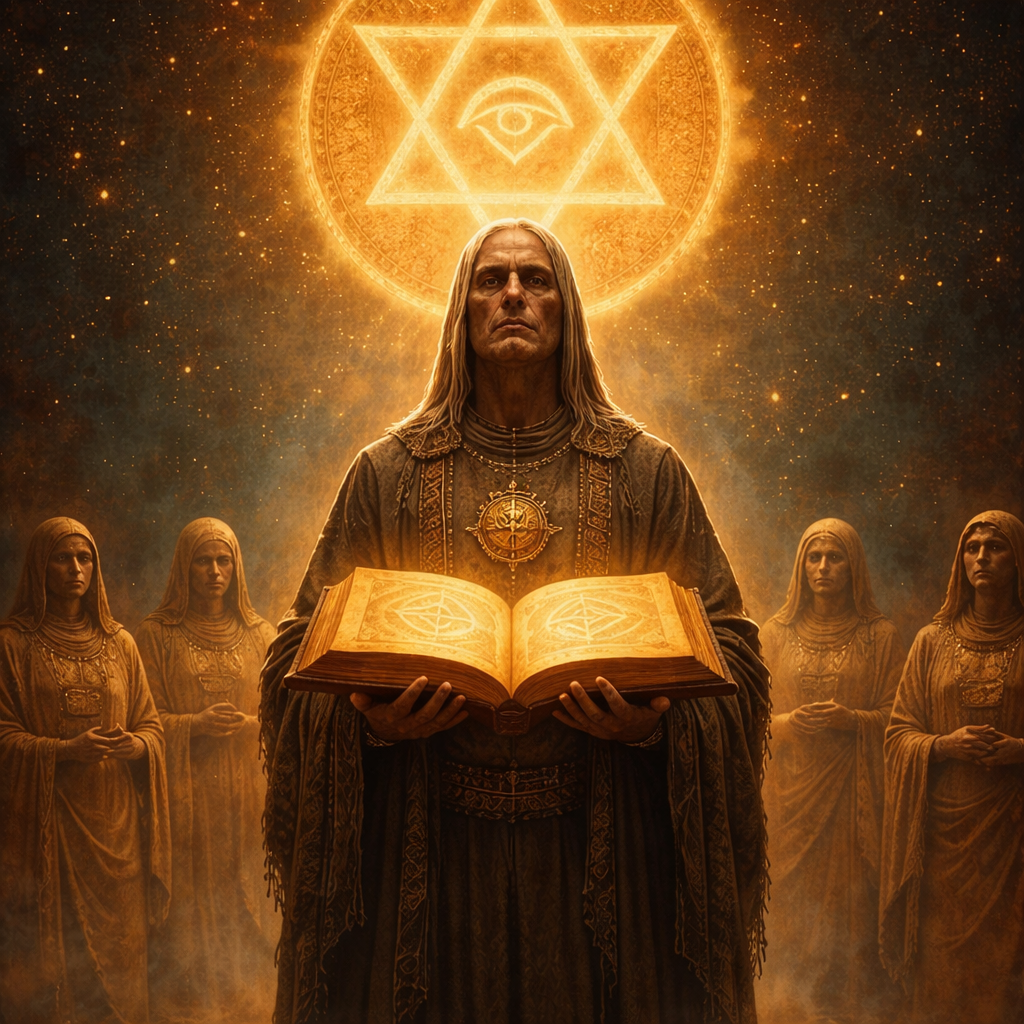

By Balthazar Finch (Senior Critic, Occult Philosophy) – Dan Cohn-Sherbok's 'Jewish & Christian Mysticism' is a masterful and indispensable contribution to the Esoteric Library. Cohn-Sherbok navigates the intricate tapestry of these two profound traditions with scholarly precision and an evident reverence for their mystical depths. He unearths the shared spiritual DNA, revealing how Kabbalistic wisdom and Christian contemplative practices, though distinct, often converge on the same transcendent peaks. This work is a vital resource for serious students of esotericism, offering lucid explanations of complex concepts and insightful comparisons. Its strength lies in its balanced perspective, honoring both the historical context and the enduring, living essence of these mystical paths. A must-read for anyone seeking to understand the inner spiritual life of Western civilization.
📝 Description
62
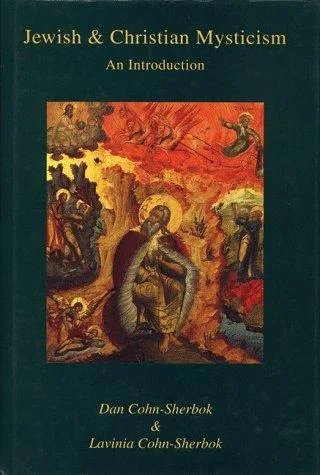
Dan Cohn-Sherbok's 1997 study examines Jewish and Christian mysticism side-by-side.
This book examines the historical and conceptual connections between Jewish and Christian mystical traditions. Cohn-Sherbok analyzes key texts and figures from both streams, tracing themes of divine encounter, spiritual ascent, and the interpretation of sacred writings. The study looks at the Kabbalah's exploration of God's emanations and divine names, contrasting it with Christian contemplative practices, including early Gnosticism and medieval monasticism.
It considers how these traditions, despite their apparent differences, share a common impulse to seek direct experience of the divine. The book details the symbolic language, altered states of consciousness, and philosophical ideas that underpin these esoteric paths. Cohn-Sherbok presents this material for readers interested in understanding the shared language of mystical experience across Western religious thought.
This work belongs to the field of comparative mysticism, specifically focusing on Western esoteric traditions. It situates both Jewish Kabbalah and Christian contemplation within a broader history of seeking direct, experiential knowledge of the divine. By examining shared concepts and practices, the book highlights a continuity in mystical thought that transcends denominational boundaries. It engages with the historical development of these traditions, from ancient roots to medieval expressions, identifying commonalities in their symbolic systems and their pursuit of spiritual transformation.
💡 Why Read This Book?
Uncover the hidden spiritual connections between Jewish Kabbalah and Christian mysticism. Gain profound insights into the symbolic language and esoteric practices that have guided seekers toward divine union for centuries. Ideal for scholars, spiritual explorers, and practitioners seeking to deepen their understanding of transcendent paths and the universal quest for meaning.
⭐ Reader Reviews
Honest opinions from readers who have explored this book.
❓ Frequently Asked Questions
What is Kabbalah?
Kabbalah is the esoteric tradition of Jewish mysticism, originating in medieval Europe. It seeks to understand the divine nature and the creation of the universe through symbolic interpretation of the Torah and mystical contemplation.
Are there similarities between Jewish and Christian mysticism?
Yes, despite theological differences, both traditions explore divine immanence, ecstatic experiences, the use of symbolic language, and the soul's journey towards union with God, revealing surprising parallels in their esoteric aims.
Who is the intended audience for this book?
This book is for anyone interested in the deeper spiritual dimensions of Judaism and Christianity, including students of religion, philosophy, history, and individuals drawn to mystical and esoteric studies.
Does the book explain complex mystical concepts clearly?
Yes, Dan Cohn-Sherbok excels at translating intricate theological and mystical ideas into accessible language, making profound concepts understandable without sacrificing their depth or nuance.
Can this book be read by those without prior knowledge of these traditions?
Absolutely. The author provides sufficient context and clear explanations, making it an excellent starting point for newcomers, while still offering valuable insights for those already familiar with the subject matter.
🔮 Key Themes & Symbolism
The Divine Emanation and the Tree of Life
This theme explores the Kabbalistic concept of the Sefirot, the ten divine emanations that constitute the Tree of Life. It details how these emanations represent aspects of God and serve as a map for understanding creation and the human soul's ascent. The interconnectedness of the Sefirot and their role in mystical practice, such as meditative visualization and prayer, are central to comprehending the architecture of the divine cosmos as envisioned by Jewish mystics.
Christian Contemplation and the Via Mystica
This theme examines the Christian pursuit of direct experience with God, often referred to as the 'via mystica' or mystical way. It examines the practices of prayer, meditation, and asceticism employed by Christian mystics to achieve union with the divine. Key figures and movements, from the desert fathers to later mystics like Meister Eckhart, are discussed in relation to their unique approaches to transcending the self and experiencing God's presence, highlighting the internal transformation sought through spiritual discipline.
Shared Esoteric Yearnings and Symbolism
This theme investigates the surprising commonalities and reciprocal influences between Jewish and Christian mystical traditions. It focuses on shared esoteric symbols, archetypes, and the universal human desire for transcendence and divine communion. The exploration extends to how both traditions utilize allegory, numerology, and visionary experiences to access deeper spiritual truths, demonstrating a common undercurrent of mystical seeking that transcends specific religious doctrines, revealing a universal spiritual language.
💬 Memorable Quotes
Direct passages from the work, attributed to the author.
“The divine spark within us mirrors the divine light without.”
— This aphorism captures the core mystical belief in the inherent connection between the human soul and the divine essence, suggesting that internal spiritual awareness is a reflection of external, transcendent reality.
“The ascent is not a journey through space, but through the soul's depths.”
— This reflects the inward focus of mysticism, positing that true spiritual progress occurs through self-exploration and inner transformation, rather than external pilgrimage or physical movement.
“Symbols are the keys that unlock the hidden chambers of the sacred.”
— This underscores the importance of symbolic language in esoteric traditions, suggesting that understanding symbols is essential for deciphering profound spiritual meanings and accessing divine mysteries.
“In silence, the divine whispers its secrets to the attentive ear.”
— This highlights the value of contemplative silence in mystical practice, where the absence of external noise allows for the reception of inner divine guidance and intuitive wisdom.
💡 Key Ideas
Editorial paraphrase of the work's core concepts — not direct quotes.
Through the veils of intellect, the heart finds the path to God.
This quote emphasizes the limitations of purely rational understanding in grasping the divine and highlights the crucial role of emotion, intuition, and spiritual feeling in mystical apprehension.
🌙 Esoteric Significance
Tradition
This book examines the esoteric traditions of Kabbalah within Judaism and contemplative mysticism within Christianity. It explores their shared roots in ancient wisdom, their unique symbolic languages, and their ultimate goal: the direct, unmediated experience of the divine. The significance lies in revealing the universal human impulse towards transcendence and the diverse yet often congruent methods developed to achieve spiritual union and deeper understanding of the cosmos.
Symbolism
Key symbols examined include the Kabbalistic Tree of Life (Sefirot), divine names, and angelic hierarchies, alongside Christian symbols like the cross, light, and the bridal mystical union. These symbols are presented not merely as decorative elements but as potent vehicles for spiritual insight, mapping the journey of the soul, the nature of reality, and the divine presence within creation. Understanding this symbolism unlocks deeper layers of meaning within sacred texts and contemplative practices.
Modern Relevance
In an age often characterized by materialism and spiritual searching, the insights offered by Jewish and Christian mysticism are profoundly relevant. This book provides a framework for understanding perennial spiritual questions, offering contemplative practices and symbolic frameworks that can guide contemporary seekers toward inner peace, self-discovery, and a deeper connection to the transcendent. It demonstrates that ancient paths to wisdom remain potent tools for working through the complexities of modern life.
👥 Who Should Read This Book
This book is a treasure for the dedicated spiritual seeker, offering pathways to profound self-understanding and divine connection. Scholars of comparative religion and history will find its rigorous analysis and nuanced comparisons invaluable. For practitioners of meditation, prayer, or contemplative arts, it provides foundational knowledge and inspiration for deepening their practice. Beginners drawn to the mysteries of faith and the esoteric dimensions of Judaism and Christianity will discover an accessible yet profound introduction to these rich traditions.
📜 Historical Context
This work is situated within the collection of late antiquity and the medieval period, eras marked by profound intellectual and spiritual ferment. The rise of Kabbalah in medieval Europe, particularly in Spain and Germany, coincided with significant developments in Christian theology and mysticism across the continent. This was a time when scholarly inquiry, philosophical debate, and intense personal spiritual seeking often intertwined. The esoteric traditions of both Judaism and Christianity emerged and evolved within complex socio-religious landscapes, influenced by Neoplatonism, Gnosticism, and the prevailing philosophical currents of their respective cultures. Cohn-Sherbok's exploration illuminates how these mystical currents offered solace, meaning, and a path to the divine in a world undergoing constant change and intellectual challenge, shaping the spiritual consciousness of Western civilization.
📔 Journal Prompts
Reflect on a time you felt a profound connection to something larger than yourself. How does this experience resonate with the mystical concepts discussed?
Consider the symbols of light and darkness in your own spiritual journey. How do they represent growth, challenge, or revelation?
What does the concept of 'divine emanation' suggest to you about the nature of reality and your place within it?
Explore a personal practice (e.g., meditation, prayer, artistic creation) that helps you connect with your inner self. How can mystical traditions enhance this?
If you were to map your own spiritual journey using a symbolic framework, what elements or 'paths' would it include?
🗂️ Glossary
Kabbalah
The esoteric tradition of Jewish mysticism that seeks to understand the divine nature and the creation of the universe through symbolic interpretation and spiritual contemplation.
Sefirot
In Kabbalah, the ten divine emanations or attributes through which God reveals Himself and by which the universe is created and sustained; often visualized as the Tree of Life.
Via Mystica
Latin for 'mystical way,' referring to the path of spiritual development and contemplative practice undertaken by Christian mystics to achieve direct experience of God.
Gnosis
Greek for 'knowledge,' often referring to spiritual insight or intuitive understanding, particularly in Gnostic traditions, leading to salvation or enlightenment.
Contemplation
A form of prayer or meditation focused on silent, loving reflection on God, Scripture, or spiritual truths, aiming for a deeper, direct experience of the divine presence.
This book appears in 1 collection
🔮 Readers Also Liked
Browse all →







More by Dan Cohn-Sherbok
All books →

From the “Kabbalah” Collection
View all →






More Free Kabbalah & Jewish Mysticism Books
View all →