Jacob Behmen: An Appreciation

 68
68

Jacob Behmen: An Appreciation



Alexander Whyte's 'Jacob Behmen: An Appreciation' is a seminal work for anyone delving into the esoteric and mystical traditions. Published in 1836, this book provides a comprehensive appreciation of Jakob Behmen's contributions to mysticism, making it a valuable resource for contemporary seekers. Whyte's meticulous research and insightful analysis offer a deep dive into Behmen's visionary experiences and philosophical insights, providing a historical context that enriches the reader's understanding. For modern esoteric seekers, this text serves as a bridge between the 17th-century mystic's thoughts and contemporary spiritual inquiry. The book's detailed exploration of Behmen's life and works makes it an invaluable addition to any esoteric library. Despite its age, 'Jacob Behmen: An Appreciation' remains relevant and accessible, making it a must-read for those interested in the mysteries of the human spirit.
📝 Description
68
Alexander Whyte wrote 'Jacob Behmen: An Appreciation' to explain Jakob Böhme's 17th-century mystical philosophy.
Alexander Whyte's appreciation of Jakob Böhme's work focuses on the 17th-century German mystic's writings. Whyte guides readers through Böhme's unique spiritual insights and symbolism, aiming to illuminate the philosophical underpinnings of his revelations. The book creates a space for reflection on Böhme's complex ideas. It is intended for those interested in the history of mysticism and contemplative practices.
This text examines the spiritual and philosophical dimensions of Jakob Böhme's thought. Whyte's approach seeks to make Böhme's often challenging concepts accessible. The author’s intent is to foster understanding of how Böhme's ideas have influenced spiritual traditions over time. It offers a particular perspective on Böhme’s contribution to esoteric thought.
Jakob Böhme was a significant figure in the development of Western esotericism, particularly within Christian mysticism. His work emerged during a period of intense religious and philosophical upheaval in 17th-century Europe. Böhme's unique system synthesized elements of alchemy, Neoplatonism, and Lutheran theology, creating a distinct path of spiritual understanding. His writings, often dense and symbolic, addressed concepts such as the divine nature, the origin of good and evil, and the process of spiritual regeneration.
✍️ Author
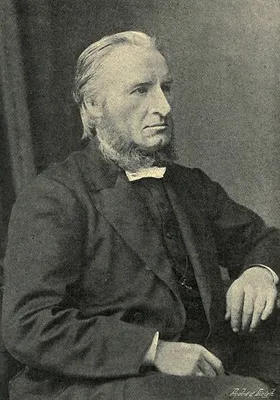
Whyte, Alexander
For the British colonial administrator, see Alexander Frederick Whyte Rev Alexander Whyte D. D.
💡 Why Read This Book?
Reading 'Jacob Behmen: An Appreciation' today offers a unique opportunity to engage with the profound mysticism of Jakob Behmen. This book provides insights into the esoteric traditions that continue to influence spiritual seekers. By exploring Behmen's visionary experiences and philosophical insights, readers gain a deeper understanding of the mystical journey and its relevance in the modern world. This text is particularly valuable for those interested in the intersection of mysticism and theology, offering a rich historical context that enriches contemporary spiritual inquiry.
⭐ Reader Reviews
Honest opinions from readers who have explored this book.
❓ Frequently Asked Questions
Who was Jakob Behmen?
Jakob Behmen, also known as Jakob Böhme, was a 17th-century German mystic whose writings have significantly influenced esoteric and occult traditions.
What is the significance of 'Jacob Behmen: An Appreciation'?
This book offers a deep dive into Behmen's life and works, providing historical context and insights into his mystical experiences and philosophical thoughts.
Is this book suitable for modern esoteric seekers?
Yes, 'Jacob Behmen: An Appreciation' is highly relevant for modern seekers, bridging historical mysticism with contemporary spiritual inquiry.
🔮 Key Themes & Symbolism
Mystical Symbolism
Jakob Böhme's writings are rich with mystical symbolism that represents the divine mysteries. Whyte's appreciation examines these symbols, providing a deeper understanding of their esoteric meanings and philosophical significance.
Spiritual Contemplation
The book emphasizes the importance of spiritual contemplation in understanding Böhme's teachings. Whyte's narrative encourages readers to engage in deep, reflective practices to unlock the hidden knowledge within Böhme's mystical vision.
Historical Context
Whyte provides a comprehensive historical context for Böhme's writings, exploring the 17th-century German mystical landscape. This context enriches the reader's understanding of Böhme's influence and the enduring significance of his teachings.
💬 Memorable Quotes
Direct passages from the work, attributed to the author.
“The world is a mirror of the divine mysteries.”
— Böhme's view of the world as a reflection of divine truths is central to his mystical teachings.
“Contemplation is the key to unlocking the secrets of the universe.”
— Whyte emphasizes the importance of contemplative practices in understanding Böhme's esoteric insights.
“The symbolism of nature reveals the divine plan.”
— Böhme's use of natural symbols to represent divine truths is a recurring theme in his writings.
“The mystical journey is one of self-discovery and spiritual enlightenment.”
— Whyte's appreciation of Böhme's teachings underscores the transformative power of mystical experiences.
💡 Key Ideas
Editorial paraphrase of the work's core concepts — not direct quotes.
The divine spark within each soul yearns for unity with the divine.
This quote highlights Böhme's belief in the inherent divinity within all beings.
🌙 Esoteric Significance
Tradition
Jakob Böhme's teachings belong to the Hermetic tradition, emphasizing the unity of the divine and the natural world. His mystical insights are rooted in the belief that the universe is a reflection of divine truths, accessible through contemplative practices and esoteric symbolism.
Symbolism
Key symbols in Böhme's writings include natural elements like fire, water, and earth, which represent the divine qualities within creation. These symbols are integral to understanding Böhme's mystical vision and the clear insights they convey.
Modern Relevance
Böhme's teachings remain relevant today, inspiring modern practitioners of Hermeticism and spiritual seekers. His emphasis on the divine spark within all beings and the transformative power of mystical experiences continues to resonate with those exploring the depths of esoteric knowledge.
👥 Who Should Read This Book
Beginners in mysticism will find 'Jacob Behmen: An Appreciation' to be an enlightening introduction to Jakob Böhme's teachings. Scholars of esoteric literature will appreciate the deep historical context and meticulous research. Spiritual seekers will benefit from the clear insights into contemplative practices and the divine mysteries. Practitioners of Hermeticism will find valuable esoteric symbolism and philosophical significance within Böhme's writings.
📜 Historical Context
Jakob Böhme's writings emerged in the tumultuous 17th century, a time of religious upheaval and spiritual seeking. His mystical insights were groundbreaking, offering a unique perspective on the divine mysteries that resonated deeply with his contemporaries. Böhme's influence extended far beyond his lifetime, inspiring generations of spiritual seekers and contributing to the body of mystical literature. Alexander Whyte's appreciation of Böhme's work provides a vital historical context, enriching the reader's understanding of Böhme's enduring significance.
📔 Journal Prompts
How do Jakob Böhme's mystical teachings resonate with your own spiritual journey?
Reflect on a symbol from Böhme's writings that speaks to you and explore its deeper meaning.
Consider the role of contemplation in unlocking hidden knowledge and divine truths.
How does Böhme's view of the world as a mirror of divine mysteries influence your perspective on nature?
In what ways can Böhme's teachings inspire your own practices of spiritual self-discovery?
🗂️ Glossary
Hermeticism
An esoteric tradition that emphasizes the unity of the divine and the natural world, often through the study of symbols and contemplative practices.
Mystical Symbolism
Symbols used in mystical literature to represent divine truths and esoteric insights, often rooted in natural elements.
Contemplative Practices
Spiritual practices that involve deep reflection and meditation to unlock hidden knowledge and divine mysteries.
Divine Spark
The inherent divinity within all beings, a central concept in Jakob Böhme's teachings and Hermeticism.
Esoteric Knowledge
Hidden knowledge accessible through spiritual practices and the study of mystical literature, often involving symbols and philosophical insights.
This book appears in 1 collection
🔮 Readers Also Liked
Browse all →








From the “Christian Mysticism” Collection
View all →





More Free Mysticism & Contemplation Books
View all →