What is Tea Leaf Reading?
Tea leaf reading, or tasseography, is a divination art that interprets patterns formed by tea leaves, coffee grounds, or wine sediments in a cup. Practitioners observe the shapes, symbols, and their placement within the vessel to gain insights into past, present, or future events. The practice relies on intuition, symbolic interpretation, and understanding the specific context of the querent's question.
Best Books for Complete Beginners
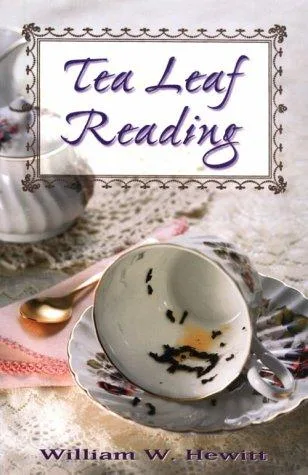
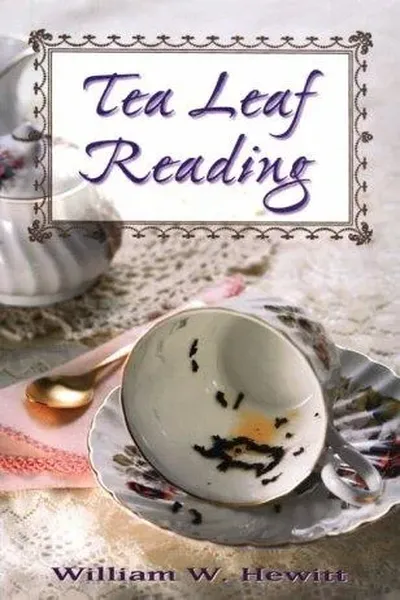
For those new to tasseography, starting with clear, step-by-step guides is crucial. Caroline Dow's 'Tea Leaf Reading for Beginners' offers a direct entry point. 'Simply Tea Leaf Reading' by Sasha Fenton and Jacqueline Towers provides accessible explanations of common symbols and methods. Bill Hewitt's 'Tea Leaf Reading' (Llewellyn's New Age Series) is another excellent choice, explaining the process. These books break down the art into manageable lessons, helping novices build confidence and a foundational understanding of interpretation.
Intermediate Reading
Students ready to deepen their understanding will find value in more comprehensive texts. Jane Struthers' 'The Art of Tea Leaf Reading' expands on basic interpretations and introduces more nuanced symbol analysis. 'Tea Leaf Reading Companion' by Juliet Vrakas offers practical exercises and further symbol exploration. Carl Llewellyn Weschcke's 'All about Tea Leaf Reading' studies the history and broader applications of the practice. These resources encourage developing a personal interpretive style and recognizing complex patterns.
Classical / Advanced Texts
For serious students, exploring foundational and more complex texts is essential. 'Tasseography - the Art of Tea Leaf Reading' by Jessica R. Anderson provides a thorough historical and practical overview. 'Reading Tea Leaves' by A. Highland Seer offers a more traditional approach, focusing on classic interpretations. 'The Complete Guide to Coffee Grounds & Tea Leaf Reading' by Sara Zad broadens the scope to include related divination methods, enriching the practitioner's toolkit with historical depth and diverse perspectives.
Reading Order — Step by Step
Begin your journey with 'Tea Leaf Reading for Beginners' by Caroline Dow (Month 1, Weeks 1-2). This establishes fundamental symbols and techniques. In Month 1, Weeks 3-4, move to 'Simply Tea Leaf Reading' by Sasha Fenton or Jacqueline Towers for reinforcement and broader symbol coverage. By Month 2, engage with 'The Art of Tea Leaf Reading' by Jane Struthers to refine interpretations and explore more complex patterns. Month 3 is dedicated to 'Tasseography - the Art of Tea Leaf Reading' by Jessica R. Anderson or 'Reading Tea Leaves' by A. Highland Seer for advanced study and historical context.
Frequently Asked Questions
Which tea leaf reading book should I read first?
Start with 'Tea Leaf Reading for Beginners' by Caroline Dow. It offers a clear, structured introduction to the basic symbols and techniques essential for anyone new to tasseography.
What is the difference between tea leaf reading and tasseography?
Tasseography is the overarching term for the art of divination using residues like tea leaves or coffee grounds. Tea leaf reading specifically refers to interpreting the patterns left by tea leaves in a cup.
Do I need special tea for reading leaves?
Loose leaf tea, especially black tea, is generally preferred as it leaves more distinct patterns. Avoid tea bags, as they produce fewer discernible shapes for interpretation.
How long does it take to learn tea leaf reading?
Learning the basics can take a few weeks with consistent practice using beginner guides. Becoming proficient, however, can take months or years of dedicated study and interpretation.
Are the symbols in tea leaf reading universal?
While many symbols have traditional meanings, interpretation can vary. Personal intuition and the context of the reading are crucial. Books like 'Tea Leaf Reading and Symbols' by Paige Turner can offer extensive lists.
Can I use coffee grounds too?
Yes, the practice is often extended to coffee grounds, known as cafeomancy. Books like 'The Complete Guide to Coffee Grounds & Tea Leaf Reading' by Sara Zad cover both methods.
What makes a good tea leaf reading?
A good reading combines accurate symbol interpretation with intuitive understanding, clear communication, and a focus on providing helpful insights to the querent.