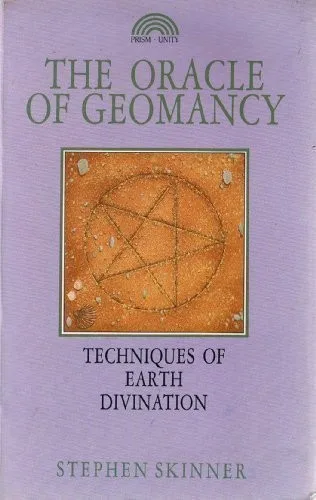
Tea Cup Tales
 62
62

Tea Cup Tales



Balthazar Finch (Senior Critic, Occult Philosophy) — Margaret L. McWhorter’s 'Tea Cup Tales' stands as a radiant beacon in the often-murky waters of popular divination. With an author's touch both scholarly and intuitively gifted, McWhorter demystifies the seemingly simple act of reading tea leaves, elevating it to a profound spiritual practice. Her insights into the archetypal symbolism embedded within the patterns are particularly illuminating, offering a unique lens through which to understand life’s complexities. This work is a treasure for seasoned practitioners seeking to deepen their craft and an accessible yet sophisticated entry point for earnest seekers ready to engage with the subtle arts. A truly indispensable addition to any occult library.
📝 Description
62
Margaret L. McWhorter published 'Tea Cup Tales' to explain the symbolism found in tea leaves.
'Tea Cup Tales' by Margaret L. McWhorter examines the practice of tasseography, or tea leaf reading. The book details how to interpret the shapes and patterns left in a teacup after the tea has been consumed. McWhorter connects these visual cues to broader concepts of fate and intuition. She suggests that the residue in the cup can offer insights into personal destiny and the subtle forces influencing life. The text aims to transform the everyday act of drinking tea into a method for self-reflection and divination. It covers the techniques for observing and understanding the symbolic language within the leaves, encouraging a deeper connection between the reader and the universe. The book is intended for individuals interested in personal insight through symbolic interpretation.
This book falls within the tradition of European divination practices, which have a long history of seeking meaning in natural phenomena and everyday objects. Tasseography, specifically, gained popularity in the 19th century, drawing on older folk practices. McWhorter's work situates itself within this lineage, presenting a structured approach to interpreting the visual residue in a teacup. It aligns with esoteric interests in finding personal guidance and understanding hidden patterns in the world, often bridging folk traditions with more formalized systems of divination.
💡 Why Read This Book?
Unlock the profound wisdom hidden within your daily ritual. 'Tea Cup Tales' offers a unique pathway to intuitive development and self-discovery through the ancient art of tea leaf reading. Ideal for those seeking spiritual growth, practitioners looking to enhance their divination skills, and scholars of esoteric traditions.
⭐ Reader Reviews
Honest opinions from readers who have explored this book.
❓ Frequently Asked Questions
What is tasseography?
Tasseography, or tasseomancy, is the art of reading fortunes from the patterns left by tea leaves, coffee grounds, or wine sediment in a cup. It is a form of divination that interprets these residues as symbolic messages.
Do I need special tea for this practice?
No, standard loose-leaf tea is perfectly suitable. The key is the process of brewing and drinking, leaving behind the essential patterns for interpretation.
How does reading tea leaves connect to intuition?
The practice encourages a deep connection to intuition by focusing on symbolic interpretation rather than rigid rules. The reader learns to trust their inner knowing to decipher the unique messages presented in the cup.
Is this book suitable for beginners?
Absolutely. McWhorter provides clear guidance, making it an excellent starting point for those new to divination, while also offering depth for experienced readers.
What kind of insights can I expect to gain?
Readers can gain insights into personal relationships, career paths, inner challenges, and potential future developments. It's a tool for self-reflection and gaining clarity on life's questions.
🔮 Key Themes & Symbolism
The Language of Symbols
This theme explores the universal language of symbols as expressed through the ephemeral patterns of tea leaves. McWhorter elucidates how seemingly random shapes coalesce into meaningful narratives, drawing parallels to ancient hieroglyphs and archetypal imagery. Readers will learn to recognize common symbols and their many-sided interpretations, understanding how they reflect the querent's inner landscape and external circumstances. The book emphasizes that these symbols are not mere predictions but profound reflections of the soul's journey and the energetic currents at play.
Intuitive Perception and Inner Vision
Fundamentally, , 'Tea Cup Tales' is a profound exploration of developing and honing intuitive perception. McWhorter guides readers beyond rote memorization of meanings, encouraging a deep dive into their own inner knowing. The act of reading tea leaves becomes a meditative practice that cultivates a heightened awareness of subtle energies and a trust in one's own psychic faculties. This theme highlights how the practice fosters a connection to the subconscious mind and the universal consciousness, enabling readers to access inner wisdom and perceive truths beyond the ordinary senses.
The Ritual of Self-Discovery
The book frames tea leaf reading not just as a divination tool, but as a sacred ritual of self-discovery. McWhorter emphasizes the personal connection forged between the reader, the tea, and the cup, transforming a simple beverage into a mirror of the soul. This theme explores how the ritualistic aspect of the practice provides a structured yet fluid space for introspection, allowing individuals to confront their challenges, celebrate their triumphs, and gain a deeper understanding of their life path. It’s an invitation to engage with the present moment and find profound meaning in everyday actions.
💬 Memorable Quotes
Direct passages from the work, attributed to the author.
“The dregs hold the whispers of destiny.”
— This evocative phrase suggests that the remnants of a brewed tea are not just waste, but contain clear insights and premonitions about one's future.
“Each swirl a story, each pattern a sign.”
— This highlights the narrative quality of tea leaf readings, where the arrangement of leaves forms a unique story, with each shape acting as a significant clue.
“Listen to the silence between the leaves.”
— This emphasizes the importance of intuition and inner stillness in interpreting the tea leaves, suggesting that the deepest meanings are found in what is not explicitly stated.
“Where the mundane meets the mystical.”
— This expresses the essence of tea leaf reading, illustrating how a common, everyday act can become a conduit for extraordinary spiritual insight and connection.
💡 Key Ideas
Editorial paraphrase of the work's core concepts — not direct quotes.
The cup, a mirror to the unseen.
This quote positions the tea cup as a sacred vessel that reflects hidden truths and spiritual realities not readily apparent to the physical eye.
🌙 Esoteric Significance
Tradition
This work is deeply rooted in the Western esoteric tradition, drawing inspiration from Hermeticism, Neoplatonism, and the broader field of symbolic interpretation. It aligns with practices that view the universe as a grand range of interconnected energies and correspondences. The act of reading tea leaves is seen as a microcosm reflecting the macrocosm, where divine order and hidden knowledge can be accessed through focused intention and symbolic understanding. It speaks to the belief that the universe communicates with humanity through subtle signs and that divinatory arts serve as a bridge between the material and spiritual realms.
Symbolism
The core of 'Tea Cup Tales' lies in its meticulous exploration of symbolic language. McWhorter interprets a vast array of shapes, figures, and patterns formed by tea leaves, imbuing them with rich, multi-layered meanings. Common symbols like animals, celestial bodies, geometric shapes, and abstract forms are presented not as rigid predictions, but as fluid archetypes that speak to the querent's current psychological state, potential challenges, and inherent strengths. The symbolism employed often draws from universal archetypes found in mythology, folklore, and ancient cosmologies, emphasizing a holistic understanding of life's journey.
Modern Relevance
In an age often dominated by digital distractions and a perceived disconnect from nature, 'Tea Cup Tales' offers a vital counterpoint, encouraging mindfulness, introspection, and a reconnection with the subtle energies of life. The practice of tea leaf reading provides a tangible, grounding ritual that fosters self-awareness and intuitive development in a fast-paced world. Its emphasis on symbolic interpretation and personal meaning appeals to contemporary seekers looking for authentic pathways to spiritual growth and self-understanding, proving that ancient arts can offer profound guidance and solace in modern times.
👥 Who Should Read This Book
This book is a treasure for a diverse audience. Beginners to divination will find 'Tea Cup Tales' an accessible and engaging introduction, offering clear guidance and fostering confidence in their intuitive abilities. Scholars of esoteric studies and comparative religion will appreciate the depth of symbolism and its connection to historical divinatory practices. Dedicated practitioners of various occult arts, such as Tarot readers or astrologers, will discover complementary insights and a refined method for enhancing their intuitive readings. Ultimately, any seeker yearning for a deeper connection to their inner wisdom and a more profound understanding of life's unfolding mysteries will find immense value within these pages.
📜 Historical Context
Margaret L. McWhorter's 'Tea Cup Tales' emerges from a rich lineage of esoteric practices that flourished in the late 19th and early 20th centuries, a period marked by a resurgence of interest in spiritualism, occultism, and ancient wisdom traditions. This era saw a confluence of scientific inquiry and mystical exploration, with many seeking meaning beyond the material world. Tasseography, with its roots stretching back to ancient Greece and Rome, experienced a revival, becoming a popular form of parlor divination and a tool for personal insight. McWhorter's work contributes to this legacy by offering a structured yet deeply intuitive approach, reflecting the era's fascination with symbolism and the potential for hidden knowledge to be unlocked through everyday objects and rituals. The book stands as a proof of the enduring human desire to connect with the divine and understand life's mysteries.
📔 Journal Prompts
After reading a cup, what recurring symbols or themes emerge in your life over the next few days?
How does the shape of the tea leaves in your cup reflect your current emotional state or a specific challenge you are facing?
Choose one symbol from the book that particularly appeals to you and reflect on its deeper meaning in your personal journey.
Consider the ritual of making and drinking tea. What does this process reveal about your approach to self-care and introspection?
If you were to give advice based on the 'story' in your tea cup today, what would it be, and to whom would you offer it?
🗂️ Glossary
Tasseography
The art and practice of divination by reading the patterns of tea leaves, coffee grounds, or sediment left in a cup after a beverage has been consumed.
Querent
The individual for whom a divination reading is performed. In tasseography, this is the person whose tea leaves are being interpreted.
Symbolism
The use of symbols to represent ideas and qualities. In tasseography, shapes and figures formed by tea leaves are interpreted for their symbolic meanings.
Intuition
The ability to understand something immediately, without the need for conscious reasoning. It is a key faculty in interpreting the nuanced messages of tea leaves.
Archetype
A universal, inherited pattern of thought or imagery derived from the experience of the human race and present in the individual unconscious. Many tea leaf symbols are considered archetypal.
This book appears in 1 collection
🔮 Readers Also Liked
Browse all →






From the “Tea Leaf Reading” Collection
View all →




More Free Divination & Tarot Books
View all →