Tea leaf reading
 64
64

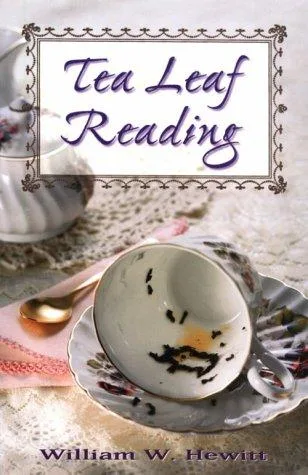
Tea leaf reading



Celeste Moreau, Divination & Symbolism Reviewer — William W. Hewitt's 'Tea Leaf Reading' is an indispensable compendium for anyone drawn to the subtle arts of divination. Hewitt masterfully demystifies the intricate symbolism inherent in Tasseography, presenting a clear yet profoundly esoteric approach. His insights into the archetypal meanings of shapes and formations are particularly illuminating, offering practitioners a robust framework for intuitive interpretation. This work is a treasure for both neophytes seeking a solid foundation and seasoned occultists looking to deepen their understanding of this ancient practice. It encourages a mindful engagement with the ritual, transforming a simple act into a potent spiritual dialogue.
📝 Description
64
William W. Hewitt's 1997 book decodes the symbols found in tea leaves.
This book details the practice of tasseography, the art of reading tea leaves for divination. Hewitt explains how to interpret the patterns and symbols left behind in a teacup after drinking. The text covers the historical context of this practice and its place within broader fortune-telling traditions. Readers will learn about the symbolic language of tea leaves, from common shapes to specific arrangements, and how these might relate to personal insights or future events. The author encourages a contemplative approach, viewing the reading process as a means of intuitive development rather than simple prediction. It guides users toward recognizing patterns and signs that can inform their understanding of life's occurrences.
The volume also touches on the philosophical ideas connected to synchronicity and the interconnectedness of events. It suggests that by learning to observe these subtle signs, one can gain a deeper perception of the world. This work aims to help readers develop their own psychic awareness and see meaning in what might otherwise appear as random occurrences. It is presented as an introduction to a tradition that requires attention to detail and personal interpretation.
Tasseography, or tea leaf reading, is an ancient divinatory practice with roots in various cultures, particularly the Ottoman Empire and later popularized in Europe. It falls within the broader category of omen interpretation, where everyday objects and natural phenomena are seen as carriers of symbolic meaning. Unlike more structured systems like astrology or tarot, tea leaf reading relies heavily on the reader's intuition and their ability to connect abstract patterns to concrete questions or life circumstances. This practice is often associated with folk magic and personal spirituality, aiming to provide insight and guidance through a seemingly mundane act.
💡 Why Read This Book?
This book is your key to unlocking the silent wisdom held within a simple cup of tea. Hewitt provides an accessible yet deeply insightful guide to Tasseography, perfect for spiritual seekers, budding diviners, and scholars of occult traditions. Discover how to interpret the ephemeral patterns, connect with your intuition, and gain profound insights into life's questions, all through this ancient and beautiful practice.
⭐ Reader Reviews
Honest opinions from readers who have explored this book.
❓ Frequently Asked Questions
What is Tasseography?
Tasseography, or tasseomancy, is the ancient art of reading fortunes from the patterns left by tea leaves, coffee grounds, or wine sediment in a cup. It is a form of divination that relies on intuitive interpretation of symbolic shapes.
What kind of tea is best for reading?
Loose-leaf black tea is traditionally preferred due to its tendency to leave distinct patterns. However, the intention and focus of the reader are more crucial than the specific type of tea used.
Do I need special equipment to start?
Beyond a cup, saucer, and loose-leaf tea, no specialized equipment is strictly necessary. A clear mind, an open heart, and a willingness to learn are your most important tools for embarking on this practice.
How long does it take to become proficient?
Proficiency varies greatly depending on individual practice and intuition. Consistent study and regular readings, as encouraged by Hewitt's methods, will foster development over time, from weeks to months for basic understanding.
Can tea leaf reading predict the future with certainty?
Tea leaf reading is not about deterministic prediction, but rather about understanding tendencies, potential outcomes, and current energetic influences. It offers guidance and insight to empower informed choices.
🔮 Key Themes & Symbolism
The Language of Symbols
This book explores the profound concept of a universal symbolic language, arguing that the patterns formed by tea leaves are not random but rather manifestations of deeper archetypal energies and universal truths. Hewitt guides the reader to understand that each shape, from the celestial to the terrestrial, carries a resonant meaning, acting as a conduit for messages from the subconscious and the wider cosmic consciousness. It emphasizes the intuitive connection required to translate these visual glyphs into practical wisdom, fostering a deeper appreciation for the subtle interconnectedness of all phenomena and the inherent meaning within the seemingly mundane.
Intuition and Inner Vision
Central to Hewitt's teaching is the cultivation of intuition, presented as a latent faculty that can be awakened and honed through the practice of tea leaf reading. The book posits that the act of observing the leaves is a meditative process, quieting the analytical mind and allowing the inner eye to perceive deeper truths. It encourages readers to trust their gut feelings and subjective interpretations, viewing them as vital components of the divination process. This theme highlights the development of psychic awareness, moving beyond mere intellectual understanding to a direct, felt knowing, empowering individuals to access their own inner guidance system.
The Ritual of Divination
Hewitt frames tea leaf reading not just as a technique, but as a sacred ritual, imbued with intention and reverence. The book details the importance of creating a conducive atmosphere, approaching the reading with respect for the querent and the process, and understanding the energetic exchange involved. This emphasizes the transformative power of ritual in focusing intention and opening channels for spiritual insight. By approaching Tasseography as a sacred practice, readers are encouraged to engage with the present moment, fostering mindfulness and a deeper connection to the unseen realms, thereby imbuing everyday actions with mystical significance.
💬 Memorable Quotes
Direct passages from the work, attributed to the author.
“Listen to the whispers of the leaves; they speak of paths yet untrod.”
— This emphasizes the intuitive and predictive nature of tea leaf reading. It encourages the reader to pay close attention to the subtle signs and omens revealed in the patterns, which can offer guidance and foresight into future events.
“Each symbol is a key, unlocking the doors of perception.”
— This highlights the symbolic nature of Tasseography, where individual shapes or formations are interpreted as keys that unlock deeper understanding and reveal hidden truths about oneself or a situation.
“The true vision lies not in seeing the future, but in understanding the present.”
— This profound statement shifts the focus from mere prediction to the insightful application of divination. It suggests that the primary value of tea leaf reading is in gaining clarity and wisdom about one's current circumstances, which then informs future actions.
“In the quiet of contemplation, the patterns reveal their soul.”
— This speaks to the meditative and introspective aspect of tea leaf reading. It suggests that by quieting the external noise and engaging in deep contemplation, one can access the deeper, spiritual essence and meaning conveyed by the tea leaf patterns.
💡 Key Ideas
Editorial paraphrase of the work's core concepts — not direct quotes.
The cup holds not just liquid, but a universe of potential.
This quote expresses the mystical perspective of Tasseography, suggesting that the vessel and its contents are more than their physical form; they are a microcosm reflecting the vastness of the cosmos and the myriad possibilities within life.
🌙 Esoteric Significance
Tradition
Hewitt's work draws heavily from the European folk magic and divination traditions, particularly those influenced by Romani practices and the broader Hermetic and Kabbalistic currents that permeated occult circles. It aligns with the esoteric principle of 'As Above, So Below,' suggesting that the microcosm of the tea leaves reflects the macrocosm of the universe and the individual's destiny. The practice is seen as a form of sympathetic magic, where the patterns are divinely ordained or psychically imprinted messages.
Symbolism
The symbolism in tea leaf reading is rich and many-sided, drawing from archetypal imagery that resonates across cultures and time. Common symbols include animals (representing instincts or specific qualities), celestial bodies (influences and destiny), geometric shapes (clarity or confusion), and human figures (relationships or self). Hewitt guides readers to interpret these symbols not just literally, but also in their dynamic interplay, understanding how their arrangement and proximity contribute to the overall narrative of the reading.
Modern Relevance
In an age saturated with digital information and often perceived as disconnected, tea leaf reading offers a tangible, grounding practice that fosters intuition and mindfulness. Its relevance lies in its ability to reconnect individuals with their inner knowing and with the subtle rhythms of the natural world. As people seek more holistic and personalized approaches to self-understanding and guidance, the ancient art of Tasseography, as elucidated by Hewitt, provides a potent tool for introspection and intuitive development, offering a counterpoint to the often overwhelming pace of modern life.
👥 Who Should Read This Book
This clear text is a must-have for the curious soul beginning their spiritual path, offering a gentle yet profound introduction to the art of Tasseography. For aspiring diviners, Hewitt provides a solid foundation, clarifying the process and empowering intuitive interpretation. Scholars of occult history and comparative religion will find it a valuable resource, showcasing a specific practice within the broader range of divination. Experienced practitioners seeking to refine their skills or explore different symbolic interpretations will also benefit immensely from Hewitt's nuanced approach and deep understanding of the esoteric principles at play.
📜 Historical Context
Published during a period of burgeoning interest in spiritualism and occult revival in the late 19th and early 20th centuries, William W. Hewitt's 'Tea Leaf Reading' emerged as a significant contribution to the popularization of esoteric practices. This era saw a widespread fascination with divination, mediumship, and ancient wisdom traditions as people sought solace and meaning beyond the rationalism of the age. Works like Hewitt's provided accessible frameworks for engaging with these mysteries, often blending traditional folklore with emerging psychological theories. The book reflects a desire to connect with the unseen, to find order and guidance in a rapidly changing world, and to reclaim ancient intuitive knowledge that had been largely overshadowed by scientific advancements. It stands as a proof of the enduring human quest for understanding the deeper currents of existence.
📔 Journal Prompts
Reflect on the most prominent symbol you've encountered in a recent tea leaf reading. What immediate associations or feelings does it evoke?
How does the act of preparing and consuming tea for divination enhance your sense of presence and mindfulness?
Consider a recurring symbol in your readings. What might this repetition signify about your current life path or inner state?
Explore the connection between the physical act of swirling the leaves and the unfolding of potential futures. What does this dynamic suggest?
If the tea leaves could speak directly, what single piece of advice would they offer you today?
🗂️ Glossary
Tasseography
The practice of reading fortunes from the patterns left by tea leaves, coffee grounds, or sediment in a cup. It is a form of divination rooted in intuitive interpretation of symbolic imagery.
Tasseomancy
An alternative term for Tasseography, emphasizing the 'mancy' or divination aspect of the practice.
Querent
The person for whom a divination reading is performed. In tea leaf reading, the querent is the one whose cup is being interpreted.
Symbolism
The use of images, figures, or colors to represent abstract ideas or qualities. In Tasseography, specific shapes and patterns are interpreted symbolically.
Intuition
The ability to understand something immediately, without the need for conscious reasoning. It is a key faculty for interpreting the signs in tea leaf reading.
This book appears in 2 collections
🔮 Readers Also Liked
Browse all →








More by William W. Hewitt
All books →



From the “Occultism” Collection
View all →






![[Medical and astrological texts : in English].](/img/thumb/medical-and-astrological-texts-in-english.webp)
More Free Divination & Tarot Books
View all →