Little giant encyclopedia
 62
62

Little giant encyclopedia



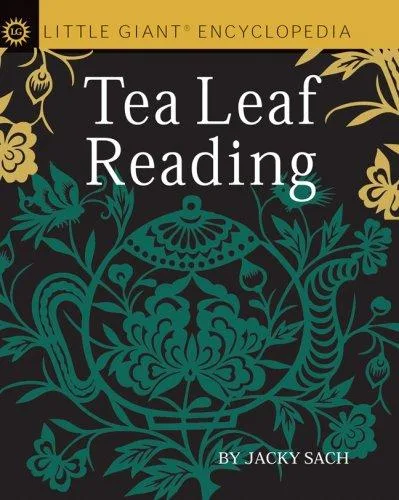
Isolde Whitaker, Sacred Texts Editor: Jacky Sach's "Little Giant Encyclopedia" is a gem for practitioners and enthusiasts of divination. It masterfully demystifies the art of tea leaf reading, presenting it not as mere superstition, but as a rich symbolic language rooted in deep observation and intuition. Sach's clear prose and insightful interpretations unlock the esoteric dimensions of Tasseography, revealing its profound connection to cyclical natural energies and personal introspection. This guide is particularly valuable for its accessible approach, making complex symbolism understandable for beginners while offering depth for seasoned diviners. It stands as an essential resource for anyone wishing to explore the ancient wisdom held within the simple act of sharing tea.
📝 Description
62
Jacky Sach's "Little Giant Encyclopedia" deciphers the symbolic language of tea leaves.
Jacky Sach's "Little Giant Encyclopedia" details the practice of Tasseography, the art of reading fortunes in tea leaves. The book explains how to interpret the shapes and patterns left in a cup after drinking, turning a common ritual into a method for gaining insight. Sach covers the symbolic meanings of various figures that might appear, such as serpents representing change or earth forms indicating stability. Readers learn to understand these fleeting images as reflections of personal circumstances and potential futures.
The volume aims to make this divinatory practice accessible. It seeks to guide individuals in using the tea leaf readings to uncover hidden knowledge and understand their past, present, and future. The book positions Tasseography as a way to connect with subtle energies and foster personal development.
Tasseography belongs to a long tradition of divination that uses everyday objects or natural phenomena to interpret meaning. Like other forms of scrying or augury, it relies on the belief that patterns can reveal hidden truths or future events. This practice is part of a broader interest in esoteric arts that seek understanding beyond conventional rationalism, connecting the mundane to the symbolic and the spiritual. It fits within a lineage of folk magic and intuitive practices aimed at personal guidance.
💡 Why Read This Book?
Uncover the hidden language of the cosmos within your teacup. This guide offers an accessible yet profound entry into Tasseography, transforming your daily ritual into a powerful tool for self-discovery and intuitive insight. Perfect for seekers of ancient wisdom, curious minds, and practitioners of divination arts, it reveals the symbolic tapestry of fate and fortune through the humble tea leaf, fostering a deeper connection to the unseen.
⭐ Reader Reviews
Honest opinions from readers who have explored this book.
❓ Frequently Asked Questions
What is Tasseography?
Tasseography, also known as Tasseomancy, is the ancient art of divination by interpreting patterns left by tea leaves, coffee grounds, or wine sediment in a cup. It involves observing the shapes and symbols formed as the liquid settles, assigning meaning to them based on established symbology and intuitive interpretation.
What kind of tea is best for reading?
While any loose-leaf tea can be used, traditionalists often prefer black tea for its robust flavor and the distinct patterns left by its leaves. The key is to brew it strong enough to leave a significant deposit but not so watery that the leaves don't form discernible shapes.
How do I start reading my own tea leaves?
Begin by brewing a cup of strong, loose-leaf tea. Stir it clockwise three times while focusing on a question or intention. Drink the tea, leaving a small amount of liquid at the bottom. Swirl the cup three times, then invert it onto a saucer to allow the leaves to drain. Interpret the patterns that form on the cup's interior.
What if I see a symbol I don't recognize?
Don't be discouraged. The beauty of Tasseography lies in its evolving nature. Refer to established symbol guides for common interpretations, but also trust your intuition. The symbol may have a unique personal meaning for you in the context of your question.
Is tea leaf reading a scientific practice?
Tasseography is considered an esoteric and intuitive practice, rooted in ancient traditions of divination and symbolic interpretation. It is not based on scientific methodology but rather on the belief in subtle energies, intuition, and the symbolic resonance between natural elements and human experience.
🔮 Key Themes & Symbolism
The Art of Tasseography
This section studies the historical and mystical foundations of Tasseography, the art of reading tea leaves. It explores how this ancient practice, often overlooked in modern times, serves as a profound method of divination, transforming a simple beverage into a conduit for insight. The reader will learn about the origins of this practice, its presence across various cultures, and the underlying philosophy that connects the patterns in the cup to the subtle energies influencing our lives. It emphasizes the meditative quality of the ritual and its capacity to foster intuition and self-awareness, making the mundane magical.
Symbolism and Interpretation
At the heart of Tasseography lies its rich symbolic language. This theme meticulously unpacks the myriad of shapes, forms, and figures that can appear in the bottom of a teacup, from animals and celestial bodies to abstract shapes. Each symbol is presented with its traditional meanings, but more importantly, the reader is encouraged to develop their personal lexicon, recognizing that symbols can carry unique resonance for each individual. The focus is on developing intuitive interpretation skills, understanding that the true meaning emerges from the interplay between established lore and the diviner's inner knowing, guided by the context of the question asked.
The Ritual of Divination
Beyond mere interpretation, this theme highlights the transformative power of the Tasseography ritual itself. It emphasizes the importance of intention, the sacred space created for divination, and the mindful engagement with the process. The act of brewing, drinking, and observing the tea leaves becomes a contemplative practice, grounding the diviner and opening them to subtle perceptions. The book guides the reader in establishing their own ritualistic framework, ensuring that each reading is not just an attempt to predict the future, but an opportunity for introspection, spiritual connection, and the cultivation of inner wisdom and clarity.
💬 Memorable Quotes
Direct passages from the work, attributed to the author.
“The patterns are not merely random; they are whispers from the unseen.”
— This highlights the belief that the shapes formed by tea leaves are not accidental but carry deliberate messages, suggesting a guiding force or an underlying order that communicates through symbolic language.
“Each brew is a conversation with destiny.”
— This evocative phrase frames the act of tea leaf reading as an active dialogue with fate, emphasizing agency and the potential for understanding and influencing one's life path through this ancient practice.
“Trust the intuition that blooms with the rising steam.”
— This encourages the reader to rely on their innate intuitive abilities, suggesting that the process of divination itself can awaken and enhance one's inner knowing, much like a delicate flower unfurling.
“The cup holds not just liquid, but the traces of time.”
— This poetic sentiment speaks to the temporal dimension of Tasseography, implying that the tea leaves can reveal insights into the past, present, and future, acting as a vessel for understanding the continuum of existence.
💡 Key Ideas
Editorial paraphrase of the work's core concepts — not direct quotes.
Within the humble leaf, a universe of meaning lies waiting.
This quote captures the core premise of Tasseography: that useful insights and cosmic connections can be found in the most ordinary of things, transforming the mundane into the mystical through focused attention and interpretive skill.
🌙 Esoteric Significance
Tradition
Tasseography aligns with ancient traditions of augury and scrying, where natural phenomena are observed for omens and insights. It shares roots with practices in various cultures, including Chinese fortune-telling and ancient Greek methods of interpreting entrails or wine dregs. Within Western esotericism, it fits within the broader framework of sympathetic magic and divination, where a microcosm (the patterns in the cup) is believed to reflect a macrocosm (the individual's life and the universe). It's a practice that bridges the material and spiritual, using a common object to access deeper, hidden knowledge.
Symbolism
The symbolism in Tasseography is vast and complex, drawing from archetypal imagery found in dreams, mythology, and nature. Common symbols include animals (e.g., snake for transformation, bird for news), celestial bodies (sun for clarity, moon for emotions), natural elements (trees for growth, mountains for obstacles), and geometric shapes. Each symbol's meaning can be further nuanced by its placement within the cup (e.g., near the rim for immediate future, at the bottom for past or deep-seated issues) and its interaction with adjacent symbols. The interpretation is a blend of universal archetypes and personal resonance.
Modern Relevance
In a world often characterized by rapid change and uncertainty, Tasseography offers a grounding and introspective practice. Its modern relevance lies in its ability to foster mindfulness, intuition, and self-awareness. It provides a tangible ritual that encourages individuals to pause, reflect, and connect with their inner wisdom. As people seek more authentic and personalized forms of spirituality, tea leaf reading offers an accessible pathway to explore personal questions, gain clarity on challenges, and cultivate a sense of agency over their life's journey, proving that ancient arts can indeed offer profound guidance in contemporary times.
👥 Who Should Read This Book
This 'Little Giant Encyclopedia' is a rich source for a diverse audience. **Beginners** seeking an approachable yet meaningful introduction to divination will find its clear explanations and accessible symbology invaluable. **Seekers of esoteric knowledge** will appreciate its depth and connection to ancient traditions. **Practitioners of other divinatory arts**, such as Tarot or astrology, will find it a complementary tool to enrich their practice and expand their interpretive repertoire. **Anyone interested in mindfulness, introspection, and the symbolic language of everyday life** will discover a profound way to engage with their world and unlock hidden insights through the simple act of enjoying tea.
📜 Historical Context
The practice of Tasseography, or tea leaf reading, gained significant popularity in Europe during the 18th and 19th centuries, coinciding with the rise of spiritualism and the occult revival. As tea consumption became more widespread among the aristocracy and middle classes, so too did the fascination with its divinatory potential. This era saw a surge in interest in various forms of fortune-telling, with tea leaf reading offering an accessible and intimate method of seeking guidance. Books and pamphlets on the subject proliferated, establishing a common set of symbols and interpretations that were disseminated across social strata. This period marked a transition from more esoteric and less accessible forms of divination to practices that could be integrated into daily life, reflecting a broader societal curiosity about the unseen and a desire to unlock personal destinies.
📔 Journal Prompts
Describe a recent challenge you faced. What symbols appeared in your tea leaves that might relate to this situation?
If you could ask the tea leaves one question about your personal growth, what would it be and why?
Reflect on the most recurring symbol you've encountered in your readings. What might this symbol be trying to communicate to you on a deeper level?
How does the ritual of preparing and reading tea leaves impact your state of mind and your connection to your intuition?
Imagine you are teaching someone the basics of Tasseography. What is the most crucial piece of advice you would offer them?
🗂️ Glossary
Tasseography
The practice of divination by interpreting patterns formed by tea leaves, coffee grounds, or sediment in a cup. It involves observing shapes and symbols to gain insights into the past, present, and future.
Divination
The practice of seeking knowledge of the future or the unknown by supernatural means. It encompasses various methods, including reading symbols, patterns, or omens.
Symbology
The study or interpretation of symbols. In divination, it refers to the established meanings and associations given to various shapes and figures that appear during a reading.
Intuition
The ability to understand something immediately, without the need for conscious reasoning. In divination, it is considered a key faculty for interpreting symbolic meanings and receiving guidance.
Augury
A practice of divination by observing the flight of birds or other natural phenomena. It shares the principle of interpreting signs from the natural world for omens and portents.
This book appears in 1 collection
🔮 Readers Also Liked
Browse all →






More by Jacky Sach
All books →
From the “Tea Leaf Reading” Collection
View all →




More Free Divination & Tarot Books
View all →