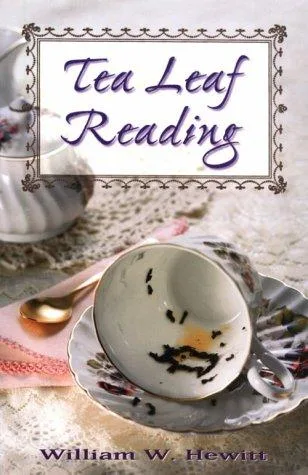
Tea Leaf Reading
 62
62

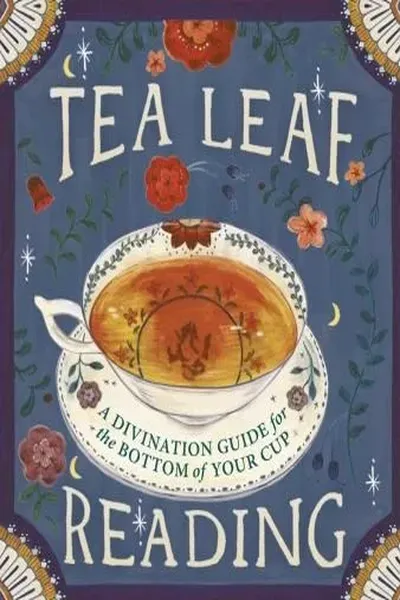
Tea Leaf Reading



Bill Hewitt's 'Tea Leaf Reading' is an indispensable tome for any serious student of the divinatory arts. Hewitt eschews superficial interpretations, instead delving into the rich, symbolic lexicon of tasseography with scholarly rigor and profound esoteric insight. His approach reveals the deep philosophical underpinnings of this ancient practice, connecting it to broader currents of hermeticism and intuitive wisdom. The clarity of his prose, coupled with the depth of his knowledge, makes this work a treasure for both neophytes seeking a true understanding and seasoned practitioners looking to refine their craft. A truly illuminating guide to reading the whispers of destiny.
📝 Description
62
Bill Hewitt's 1998 book, 'Tea Leaf Reading,' explains tasseography's symbolism.
Bill Hewitt's 'Tea Leaf Reading' examines the practice of tasseography, the art of divination using tea leaves. Published in 1998, the book details how patterns formed by tea leaves in a cup can be interpreted to reveal insights and prophecies. Hewitt guides readers through understanding the specific meanings associated with various shapes and formations, connecting them to broader symbolic languages.
The work goes beyond simple interpretation, suggesting that tea leaf reading offers a way to perceive hidden connections and understand subtle messages from the universe. It presents the practice as a method for intuitive perception and a philosophical tool. The book aims to serve both newcomers to the subject and those already familiar with esoteric practices, offering a structured approach to deciphering the signs left in a cup of tea.
Tasseography is an ancient form of divination with roots in various cultures, including Ottoman Turkey and ancient Greece. This practice involves reading the patterns left by tea leaves in a cup after the tea has been drunk. Hewitt's book places itself within this long tradition, seeking to demystify the process for a modern audience. It connects the specific symbols found in tea leaves to a wider symbolic vocabulary often found in other esoteric systems, suggesting a universal language of signs and portents that can be accessed through focused observation and intuition.
💡 Why Read This Book?
Uncover the profound symbolism embedded within the everyday ritual of tea. 'Tea Leaf Reading' offers a gateway to intuitive divination, revealing hidden patterns of fate and personal growth. Ideal for seekers of esoteric knowledge, tarot enthusiasts, and anyone curious about ancient methods of foresight. Discover a unique and accessible path to understanding life's subtle messages.
⭐ Reader Reviews
Honest opinions from readers who have explored this book.
❓ Frequently Asked Questions
What is the core principle of tea leaf reading?
The core principle lies in interpreting the symbolic shapes and patterns formed by tea leaves left at the bottom of a cup, believed to reflect subconscious thoughts, future events, and inner states.
What types of tea are best for reading?
Loose-leaf teas, particularly those with smaller, more distinct leaf fragments, are traditionally preferred. Black teas are common, but the focus is on the clarity of the resulting patterns.
How much practice is needed to become proficient?
Proficiency develops with consistent practice and dedicated study. Regular readings, journaling observations, and reflecting on symbol meanings are crucial for honing intuitive skills.
Can tea leaf reading predict specific events?
While it can offer insights into potential outcomes and underlying energies, tea leaf reading is more about understanding influences and guidance rather than dictating unchangeable future events.
Is this book suitable for absolute beginners?
Yes, Bill Hewitt's clear explanations and step-by-step guidance make 'Tea Leaf Reading' an excellent starting point for those new to divination, while still offering depth for the experienced.
🔮 Key Themes & Symbolism
The Language of Leaves: Symbolic Interpretation
This book studies the profound symbolic language of tea leaves, treating each fragment not as random debris but as a carrier of cosmic messages. Hewitt guides readers to understand the archetypal meanings behind various shapes, from animals and objects to abstract forms, revealing how these symbols coalesce to form a narrative of the querent's life, challenges, and potential destinies. It emphasizes the intuitive connection between the reader and the patterns, fostering a dialogue with the subconscious and the universal energies at play.
Tasseography as a Spiritual Discipline
Beyond a simple fortune-telling technique, 'Tea Leaf Reading' frames tasseography as a spiritual discipline, a practice that cultivates mindfulness, intuition, and a deeper connection to the unseen realms. The ritual of preparing and observing the tea becomes a meditative act, clearing the mind and opening the channels for subtle perception. Hewitt highlights how this ancient art serves as a mirror to the soul, offering profound self-reflection and guidance on one's spiritual path, encouraging a holistic understanding of self and the cosmos.
The Alchemy of the Mundane: Finding Wisdom in Simplicity
A central theme is the profound wisdom hidden within the seemingly ordinary. Hewitt illustrates how the everyday act of drinking tea can be transformed into an alchemical process, transmuting the mundane into the mystical. The book teaches readers to look beyond the surface, to find deep meaning and universal truths in the simplest of objects and rituals. This perspective empowers individuals to recognize the sacred in their daily lives, fostering a sense of wonder and an appreciation for the subtle magic that surrounds us.
💬 Memorable Quotes
Direct passages from the work, attributed to the author.
“Each leaf, a whisper from the unseen, a fragment of destiny's grand design.”
— Emphasizes the belief that the patterns formed by tea leaves are not accidental but carry meaningful messages from a higher source or the collective unconscious.
“To read the leaves is to learn the silent language of the universe.”
— Suggests that tasseography is an intuitive practice that transcends verbal communication, allowing one to understand cosmic principles and universal truths through observation.
“The true art lies not in seeing, but in knowing what you see.”
— Underscores the importance of intuitive insight and discernment over simple visual perception in the practice of tea leaf reading.
💡 Key Ideas
Editorial paraphrase of the work's core concepts — not direct quotes.
The cup, a vessel of comfort, becomes a mirror to the soul's deepest questions.
This quote highlights the dual nature of the teacup – its ordinary function of providing solace and its extraordinary potential as a tool for self-discovery and divination.
In the depths of the cup, we find not just predictions, but pathways to understanding.
This quote shifts the focus from mere prediction to the more profound aspect of self-awareness and personal growth that tea leaf reading can facilitate.
🌙 Esoteric Significance
Tradition
This work is deeply rooted in the Hermetic and occult traditions, particularly those that emphasize correspondence and the belief that 'as above, so below.' It aligns with Kabbalistic principles of symbolic interpretation and the Neoplatonic idea of accessing universal truths through sensory perception. The practice of tasseography within this context is seen as a method of scrying, a form of divination that utilizes reflective surfaces or patterns to gain insight, connecting the microcosm of the teacup to the macrocosm of the universe.
Symbolism
The core of its esoteric significance lies in the strong symbolism of the tea leaves. Each shape is imbued with archetypal meanings that resonate with universal human experiences and cosmic forces. From celestial bodies representing destiny to animal forms embodying instinctual energies, the leaves act as a visual vocabulary. Hewitt explores how these symbols, when interpreted through an intuitive and symbolic lens, unlock clear insights into the querent's psyche, their karmic patterns, and the energetic currents influencing their life's journey.
Modern Relevance
In an age often characterized by rapid technological advancement and material focus, 'Tea Leaf Reading' offers a vital antidote, reintroducing the importance of intuition, mindfulness, and connection to the subtle energies of life. Its modern relevance lies in its ability to provide a grounding, contemplative practice that fosters self-awareness and personal empowerment. It serves as a reminder that wisdom and guidance can be found not only in external sources but also within the quiet observation of everyday rituals and the symbolic language of the natural world.
👥 Who Should Read This Book
Bill Hewitt's 'Tea Leaf Reading' is a treasure for a diverse audience. **Beginners** will find a clear, accessible, and encouraging introduction to a fascinating divinatory art, presented with respect for its mystical roots. **Seekers of esoteric knowledge** will appreciate the depth of symbolism and the philosophical underpinnings, connecting tasseography to broader occult traditions. **Practitioners of other divination methods**, such as Tarot or runes, will find it a valuable complement, offering a unique perspective on intuitive interpretation. **Scholars of folklore and cultural practices** will also find it an insightful resource on the history and evolution of divination, presented with clarity and reverence for its subject.
📜 Historical Context
Bill Hewitt's 'Tea Leaf Reading' emerges from a long lineage of divinatory practices that flourished across various cultures for centuries. Tasseography, or the art of reading tea leaves, gained significant popularity in Europe during the 18th and 19th centuries, a period marked by a burgeoning interest in spiritualism, occultism, and esoteric knowledge. This era saw the systematization of many mystical arts, as practitioners sought to codify ancient wisdom and make it accessible. The book draws upon this rich historical collection, connecting the practice to earlier forms of augury and scrying, while grounding it in a more accessible, domestic ritual. It reflects the Victorian fascination with the hidden, the mysterious, and the potential for messages from beyond the veil, often found in the most commonplace of objects.
📔 Journal Prompts
After a reading, what leaf patterns resonated most strongly with your current life situation and why?
How did the ritual of preparing and observing the tea affect your state of mind and intuition?
Reflect on a symbol that appeared repeatedly in your readings; what deeper meaning might it hold for you?
Consider the 'empty' spaces in the cup; what do they suggest about potential or unknown influences?
Beyond prediction, how can the insights gained from tea leaf reading be actively applied to foster personal growth and positive change?
🗂️ Glossary
Tasseography
The art or practice of divining the future by interpreting the patterns formed by tea leaves, coffee grounds, or wine sediments in a cup.
Querent
The person for whom a divination reading is performed; the individual seeking insights or answers.
Symbolism
The use of symbols to represent ideas or qualities; in tasseography, the interpretation of shapes and forms left by tea leaves.
Intuition
The ability to understand something immediately, without the need for conscious reasoning; a key faculty for interpreting divinatory symbols.
Augury
A sign of what will happen in the future; an omen. Historically, a practice of divination, often involving the observation of birds.
This book appears in 1 collection
🔮 Readers Also Liked
Browse all →









More by Bill Hewitt
All books →

From the “Tea Leaf Reading” Collection
View all →




More Free Divination & Tarot Books
View all →