The world in your cup
 62
62

The world in your cup



Silas Hawthorne (Hermetic Studies Editor): Joseph F. Conroy's 'The World in Your Cup' is a masterful exposition of tasseography, elevating it beyond simple divination into a profound system of symbolic interpretation. Conroy's deep understanding of esoteric principles is evident, weaving together historical context with practical application. He skillfully guides readers through the nuanced language of tea leaves, revealing their capacity to mirror the soul's journey and the universe's intricate dance. This work is an indispensable resource for anyone seeking to unlock the intuitive wisdom embedded within everyday rituals, offering clarity, foresight, and a potent connection to the unseen.
📝 Description
62
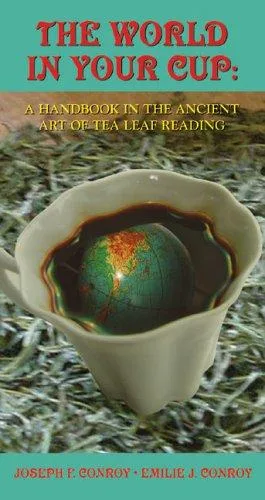
Joseph F. Conroy's 'The World in Your Cup' decodes the symbolic language of tea leaves for divination.
Published in 1996, Joseph F. Conroy's 'The World in Your Cup' examines tasseography, the art of reading tea leaves. The book moves beyond simple fortune-telling to interpret the symbolic patterns formed by leaves after brewing. Conroy details how these symbols can reveal insights into personal destiny, inner knowledge, and the connections between different aspects of existence. He suggests that the arrangement of leaves acts as a visual language, reflecting subtle energies and latent possibilities. This text aims to deepen a reader's understanding of the esoteric principles behind tasseography. It encourages a stronger reliance on intuition and a greater awareness of subtle perceptions. The book presents tea drinking as a practice that can lead to spiritual growth and self-understanding. It suggests that this everyday activity can become a meaningful ritual, offering revelations that transform common experiences.
This book situates itself within the broader tradition of divination practices that interpret natural phenomena for insight. Tasseography, as presented here, draws on a history of scrying and symbolic reading found in various cultures. Conroy connects the patterns in tea leaves to archetypal symbols and energies, aligning with esoteric thought that sees correspondences between the micro- and macrocosm. The practice is framed not just as prediction, but as a tool for self-reflection and understanding one's place within a larger energetic system.
💡 Why Read This Book?
Uncover the hidden language of the cosmos within your teacup. 'The World in Your Cup' offers a mystical gateway to self-discovery, revealing symbolic meanings and intuitive guidance. Ideal for seekers of esoteric knowledge, Tarot enthusiasts, and anyone interested in the ancient art of fortune-telling, this book empowers you to interpret life's subtle signs and deepen your connection to the unseen forces shaping your path.
⭐ Reader Reviews
Honest opinions from readers who have explored this book.
❓ Frequently Asked Questions
What is tasseography?
Tasseography is the ancient art of divination by interpreting the patterns formed by tea leaves, coffee grounds, or wine sediments in a cup. It's a method of scrying, revealing insights into the past, present, and future.
What types of tea are best for tasseography?
Loose-leaf black teas are traditionally favored due to their distinct leaf fragments. However, any tea with visible leaf particles can be used, provided the reader develops a personal connection with the medium.
How do I begin practicing tasseography?
Begin by focusing your intention on a question while preparing and drinking your tea. Swirl the remaining liquid and grounds, then invert the cup onto a saucer. Observe and interpret the patterns that form.
Are there specific symbols to learn?
Yes, while personal intuition is key, many traditional symbols have established meanings. Familiarizing yourself with common interpretations of shapes, figures, and arrangements will enhance your readings.
Can tasseography predict specific events?
Tasseography is more about revealing potentials, influences, and guidance rather than fixed predictions. It offers insights into the energies surrounding a situation, empowering the user to make informed choices.
🔮 Key Themes & Symbolism
The Language of Symbols
This book studies the profound symbolic language inherent in the patterns left by tea leaves. It explores how seemingly random shapes and forms can represent archetypal energies, personal challenges, and future possibilities. Conroy guides the reader to understand the visual vocabulary of tasseography, fostering an intuitive connection with the subtle messages conveyed by the leaves. Each symbol, from the celestial to the terrestrial, holds layers of meaning waiting to be deciphered by the attuned eye.
Intuition and Inner Wisdom
Fundamentally, , 'The World in Your Cup' is a powerful exploration of intuition and the cultivation of inner wisdom. Conroy emphasizes that tasseography is not merely a mechanical process but a dialogue between the reader's subconscious and the universal energies. The book encourages practitioners to trust their gut feelings, to listen to the whispers of their soul, and to recognize that the answers they seek often reside within. It's a journey of awakening the dormant perceptive abilities that lie within each individual.
Sacred Ritual and Mundane Magic
Joseph F. Conroy masterfully bridges the gap between the sacred and the mundane, transforming the simple act of drinking tea into a potent ritual of connection and divination. The book illustrates how everyday practices can become conduits for profound spiritual insight and magical manifestation. By infusing intention and awareness into the process, the reader elevates a common habit into an opportunity for self-reflection, guidance, and a deeper appreciation for the subtle magic woven into the fabric of existence.
💬 Memorable Quotes
Direct passages from the work, attributed to the author.
“In every swirl, a story waits to be told.”
— This emphasizes the narrative aspect of tea leaf reading, suggesting that the seemingly chaotic patterns form coherent stories or messages that can be interpreted by the discerning reader.
“The leaf whispers what the mind may not yet know.”
— This points to the intuitive nature of tasseography, where the subconscious or higher self communicates through the visual cues of the tea leaves, revealing truths beyond conscious awareness.
“Seek not to command fate, but to understand its currents.”
— This offers a philosophical perspective on divination, advising against trying to manipulate destiny and instead encouraging a posture of receptivity and comprehension of life's unfolding path.
💡 Key Ideas
Editorial paraphrase of the work's core concepts — not direct quotes.
The cup holds not just the residue of tea, but the elements of destiny.
This quote highlights the central tenet of tasseography: that the patterns left behind are more than just physical remnants; they are imbued with spiritual and temporal significance, reflecting the flow of fate.
The ordinary becomes extraordinary when viewed through the lens of the mystical.
This quote expresses the transformative power of esoteric practices, suggesting that by applying a metaphysical perspective, even the most commonplace activities can reveal profound meaning and magic.
🌙 Esoteric Significance
Tradition
Tasseography aligns with the broader Hermetic tradition, which emphasizes the principle of 'As Above, So Below.' The patterns in the cup are seen as a microcosm reflecting the macrocosm of the universe and the individual's place within it. It also shares common ground with scrying practices found in various mystical traditions, utilizing reflective surfaces or mediums to access intuitive insights and spiritual guidance.
Symbolism
The symbolism in tasseography is vast and many-sided, drawing from archetypal imagery, natural forms, and cultural motifs. Shapes like birds might signify messages, while figures could represent people or aspects of the self. Geometric patterns can denote order or chaos, and celestial bodies often represent overarching influences. The interpretation relies on both established symbolic dictionaries and the practitioner's personal intuitive resonance with the forms presented.
Modern Relevance
In an age often characterized by rapid information and disconnection, tasseography offers a grounding, mindful practice. It encourages slowing down, engaging intuition, and finding meaning in the present moment. Its modern relevance lies in its ability to foster self-awareness, provide a framework for navigating life's uncertainties, and reconnect individuals with a sense of wonder and the subtle energies that permeate existence, offering a personal and accessible path to inner guidance.
👥 Who Should Read This Book
This book is a treasure for the curious soul. Beginners seeking an accessible entry into divination will find clear guidance. Tarot practitioners will appreciate the complementary symbolic language and intuitive development aspects. Scholars of esoteric history and folklore will discover valuable insights into a pervasive divinatory practice. Ultimately, anyone drawn to understanding the hidden currents of life, seeking deeper self-knowledge, or wishing to transform everyday moments into meaningful rituals will find profound value within its pages.
📜 Historical Context
Tasseography, or tea leaf reading, emerged as a popular form of divination in the 18th century, particularly in Europe, following the widespread introduction of tea from China and the Middle East. Its rise coincided with a broader fascination for esoteric practices, occultism, and the exploration of hidden knowledge during periods of significant social and intellectual change. As Enlightenment ideals began to question traditional religious dogma, many sought meaning and guidance in alternative spiritual avenues. Tasseography offered a readily accessible and intimate method for individuals to connect with the unseen, often practiced within the domestic sphere, making it a widespread and enduring form of folk magic and personal divination.
📔 Journal Prompts
What recurring symbols have I noticed in my tea leaves recently, and what might they represent in my current life situation?
How can I cultivate a more intuitive connection with the patterns I observe in my daily life, beyond just my teacup?
What personal meaning do I assign to the act of preparing and consuming tea as a ritual?
If the tea leaves could speak directly to my subconscious, what message would they convey about my biggest challenge right now?
How can I integrate the wisdom gained from tasseography into practical decisions and actions in my daily life?
🗂️ Glossary
Tasseography
The art or practice of divining the future by reading tea leaves or coffee grounds in a cup. It involves interpreting the patterns and symbols left behind after drinking.
Scrying
A method of divination involving gazing into a reflective surface, such as a crystal ball, water, or in this case, tea leaves, to receive visions or insights.
Archetype
A universal, inherited idea or image of a person or thing, often representing fundamental human experiences and symbolic patterns found in mythology and literature.
Intuition
The ability to understand something immediately, without the need for conscious reasoning; a 'gut feeling' or inner knowing that transcends logical deduction.
Divination
The practice of seeking knowledge of the future or the unknown by supernatural means; a method of foretelling events or discovering hidden information.
This book appears in 1 collection
🔮 Readers Also Liked
Browse all →






From the “Tea Leaf Reading” Collection
View all →


More Free Divination & Tarot Books
View all →