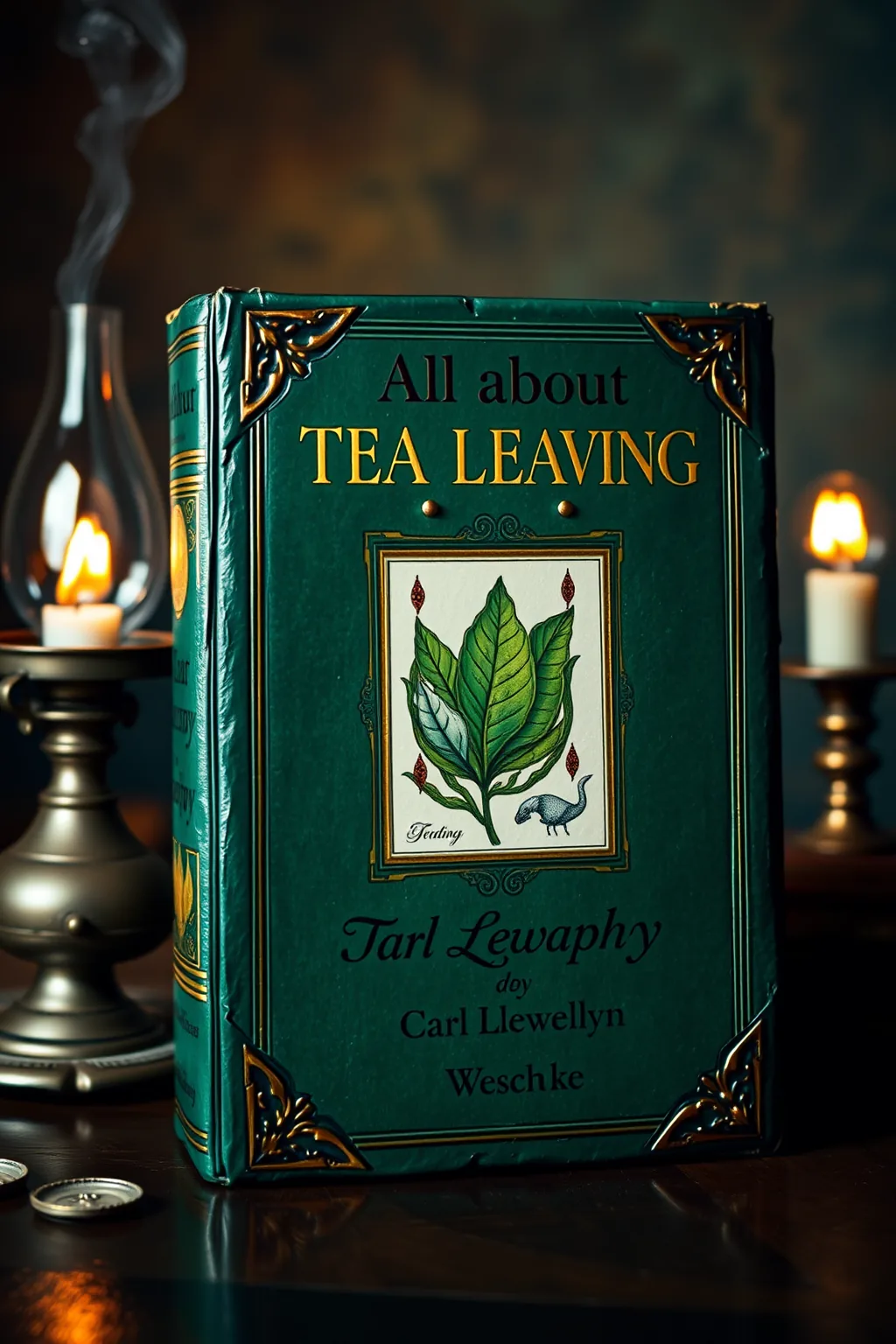
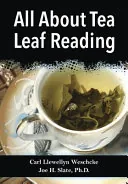
All about Tea Leaf Reading
 61
61

All about Tea Leaf Reading



By Sophia Crane (Associate Editor) — Carl Llewellyn Weschcke's 'All About Tea Leaf Reading' stands as a cornerstone for anyone seeking to master this ancient divinatory art. Weschcke's profound understanding of symbolism and esoteric principles shines through, offering not just a how-to guide but a deep exploration of the subconscious mind reflected in the tea leaves. The book elegantly bridges the gap between beginner curiosity and practitioner depth, providing clear instruction alongside rich philosophical context. Its strength lies in its comprehensive approach, demystifying the process while preserving its inherent magic. This is an essential text for seekers of intuitive wisdom and practitioners of esoteric arts.
📝 Description
61
Carl Llewellyn Weschcke published 'All About Tea Leaf Reading' to demystify tasseography.
This book explains the practice of reading tea leaves, a method known as tasseography. Weschcke details how to interpret the patterns left by tea leaves in a cup. He focuses on the symbolic meanings of these shapes and images, moving beyond simple predictions to personal insight. The text encourages readers to see the ritual of drinking tea as an opportunity for self-reflection and understanding.
It covers how to approach the reading process, from preparing the tea to observing the residue. The author discusses the archetypal nature of the symbols that appear. Readers will learn how these ephemeral marks can relate to personal circumstances, relationships, and future possibilities. The book aims to help individuals connect with their subconscious through this ancient divination technique.
Tasseography, or tea leaf reading, is an ancient form of divination with roots in various cultures. Its practice involves interpreting the patterns formed by fallen tea leaves at the bottom of a cup. Historically, this method was used to gain insight into personal matters, predict future events, and understand subconscious thoughts. The tradition connects to broader esoteric practices that seek meaning in everyday objects and natural formations, viewing them as conduits for subtle energies and hidden knowledge.
💡 Why Read This Book?
Unveil the hidden language of the cosmos within your teacup. 'All About Tea Leaf Reading' offers a comprehensive and evocative guide to a timeless divinatory practice. Ideal for spiritual seekers, aspiring practitioners, and those fascinated by symbolism, this book unlocks profound self-insight and intuitive development through the accessible ritual of tea. Discover a unique path to understanding life's mysteries and your own inner landscape.
⭐ Reader Reviews
Honest opinions from readers who have explored this book.
❓ Frequently Asked Questions
What is tea leaf reading (tasseography)?
Tea leaf reading, or tasseography, is an ancient form of divination where the patterns and symbols formed by tea leaves in a cup are interpreted to gain insight into the past, present, and future.
What kind of tea is best for reading?
Loose-leaf tea, particularly black tea, is traditionally preferred as it leaves more discernible patterns. However, the intention and focus of the reader are more crucial than the specific type of tea.
Can anyone learn tea leaf reading?
Absolutely. While some individuals may possess a natural intuition, 'All About Tea Leaf Reading' provides the foundational knowledge and techniques for anyone willing to learn and practice.
What do common tea leaf symbols mean?
Common symbols like rings often signify commitment or union, while birds can represent messages or freedom. The book provides an extensive glossary of interpretations for a wide array of symbols.
How long does it take to become proficient?
Proficiency develops with consistent practice and dedicated study. Regular readings, journaling, and reflection on the symbols encountered will deepen your understanding and accuracy over time.
🔮 Key Themes & Symbolism
The Sacred Ritual of Tea
This theme explores the transformation of a daily beverage into a sacred ritual for divination. It examines the historical and cultural significance of tea consumption as a practice that fosters mindfulness, connection to the subconscious, and an opening to intuitive perception. The act of preparing and consuming tea becomes a meditative process, setting the stage for a deeper engagement with the symbolic language of the leaves. Weschcke emphasizes how this simple act can bridge the mundane and the mystical, inviting individuals to perceive the extraordinary within the ordinary.
Symbolism and Archetypes in the Cup
Central to the book is the intricate world of symbolism found within the tea leaves. This theme examines how archetypal images and universal symbols, recognized across cultures and traditions, manifest in the patterns left behind. From celestial bodies to earthly creatures, each symbol carries a wide range of meaning, often reflecting aspects of the human psyche, life's journey, and the energetic currents influencing our lives. Understanding these symbols is presented not as rote memorization, but as an intuitive deciphering of the subconscious mind and the collective unconscious.
Intuition and Inner Guidance
This theme highlights the development and reliance on personal intuition as the primary tool for tea leaf interpretation. Weschcke guides readers to cultivate their inner knowing, encouraging them to trust their gut feelings and the subtle impressions that arise during a reading. The book posits that the symbols are not merely static images but dynamic messages that resonate with the reader's own inner wisdom. It emphasizes that the most profound readings come from a harmonious blend of symbolic knowledge and the unique intuitive perception of the individual practitioner.
💬 Memorable Quotes
Direct passages from the work, attributed to the author.
“Within the cup, the universe unfolds its narrative.”
— This emphasizes the microcosmic nature of the tea cup, suggesting it serves as a mirror reflecting the larger cosmos and the unfolding destiny of the individual.
“Listen not just with your ears, but with your soul.”
— This highlights the importance of intuitive perception and spiritual receptivity in understanding the messages conveyed by the tea leaves.
“Every swirl and shadow is a word waiting to be heard.”
— This poetic line underscores the idea that the visual patterns in the tea leaves are symbolic language, actively communicating messages that require attentive interpretation.
“The path to knowing begins with a simple brew.”
— This points to the accessibility of profound spiritual knowledge through everyday practices, suggesting that even the most common rituals can lead to significant self-discovery and insight.
💡 Key Ideas
Editorial paraphrase of the work's core concepts — not direct quotes.
The tea leaf holds secrets whispered by the ages.
This quote evokes the profound antiquity of tea leaf reading, suggesting that the patterns within the leaves are not random but carry ancient wisdom and messages from the past.
🌙 Esoteric Significance
Tradition
Tea leaf reading, or tasseography, is deeply rooted in ancient divination practices found across various cultures, including ancient Greece, Rome, and the Middle East. It aligns with broader traditions of scrying and sympathetic magic, where mundane objects are used to perceive hidden realities. Esoterically, it is linked to practices that engage the subconscious mind and the subtle energy bodies, acting as a form of intuitive communication and a tool for spiritual discernment.
Symbolism
The symbolism in tea leaf reading is vast and often archetypal, drawing from nature, human experience, and mythological imagery. Common symbols like animals, celestial bodies, geometric shapes, and everyday objects carry layered meanings reflecting aspects of destiny, relationships, emotions, and challenges. The interpretation relies on understanding these universal symbols and how they interact within the unique context of the reading, forming a narrative of insight.
Modern Relevance
In contemporary times, 'All About Tea Leaf Reading' offers a grounding and accessible path to self-awareness and intuitive development. As many seek to disconnect from the digital noise and reconnect with more mindful practices, the ritualistic nature of tea leaf reading provides a valuable opportunity for introspection and personal growth. It empowers individuals to trust their inner guidance and discover a unique form of wisdom accessible through simple, everyday actions.
👥 Who Should Read This Book
This book is a treasure for a diverse audience. For the absolute beginner, it provides a clear and encouraging entry point into the world of divination, explaining the process with practical steps. Aspiring practitioners will find a comprehensive guide to developing their skills and deepening their understanding of symbolic language. Spiritual seekers and those on a path of self-discovery will appreciate its focus on intuition and inner guidance. Scholars of esoteric traditions will recognize its connection to ancient divinatory arts and its contribution to the study of symbolism. Ultimately, anyone curious about unlocking hidden insights and exploring the subtle currents of life will find profound value within its pages.
📜 Historical Context
Published during a period of burgeoning interest in spiritualism and esoteric practices in the mid-to-late 20th century, 'All About Tea Leaf Reading' by Carl Llewellyn Weschcke emerged as a significant contribution to the literature of divination. This era saw a resurgence of explorations into ancient wisdom traditions, occult studies, and psychological interpretations of symbolism, influenced by figures like Carl Jung and his theories on archetypes and the collective unconscious. Weschcke's work tapped into this zeitgeist, presenting tea leaf reading not as mere superstition, but as a legitimate method of accessing inner wisdom and connecting with subtle energies. The book reflects a desire to clarify and legitimize practices that had often been relegated to the fringes, making them accessible to a wider, intellectually curious audience seeking alternative modes of understanding the self and the universe.
📔 Journal Prompts
Reflect on a time you felt a strong intuitive pull; how does this relate to the idea of interpreting symbols?
What personal symbols or archetypes resonate most deeply with you, and why?
Describe a recent significant event in your life and consider how you might interpret its symbolic meaning in tea leaves.
How can the practice of mindful tea consumption enhance your ability to receive intuitive messages?
Consider the 'narrative' of your life as a series of unfolding symbols; what is the current chapter telling you?
🗂️ Glossary
Tasseography
The art or practice of reading fortunes by interpreting the patterns of tea leaves, coffee grounds, or wine sediments in a cup.
Divination
The practice of seeking knowledge of the future or the unknown by supernatural means.
Archetype
A recurring symbol or motif in literature, art, or mythology that represents universal patterns of human nature or experience.
Symbolism
The use of symbols to represent ideas or qualities, particularly in art, literature, and divination.
Intuition
The ability to understand something immediately, without the need for conscious reasoning; an inner knowing or gut feeling.
This book appears in 1 collection
🔮 Readers Also Liked
Browse all →

![SQL [asterisk] forms operator's reference card](/img/thumb/sql-asterisk-forms-operator-s-reference-card-oracle-corporation.webp)





More by Carl Llewellyn Weschcke
All books →
From the “Tea Leaf Reading” Collection
View all →





More Free Divination & Tarot Books
View all →