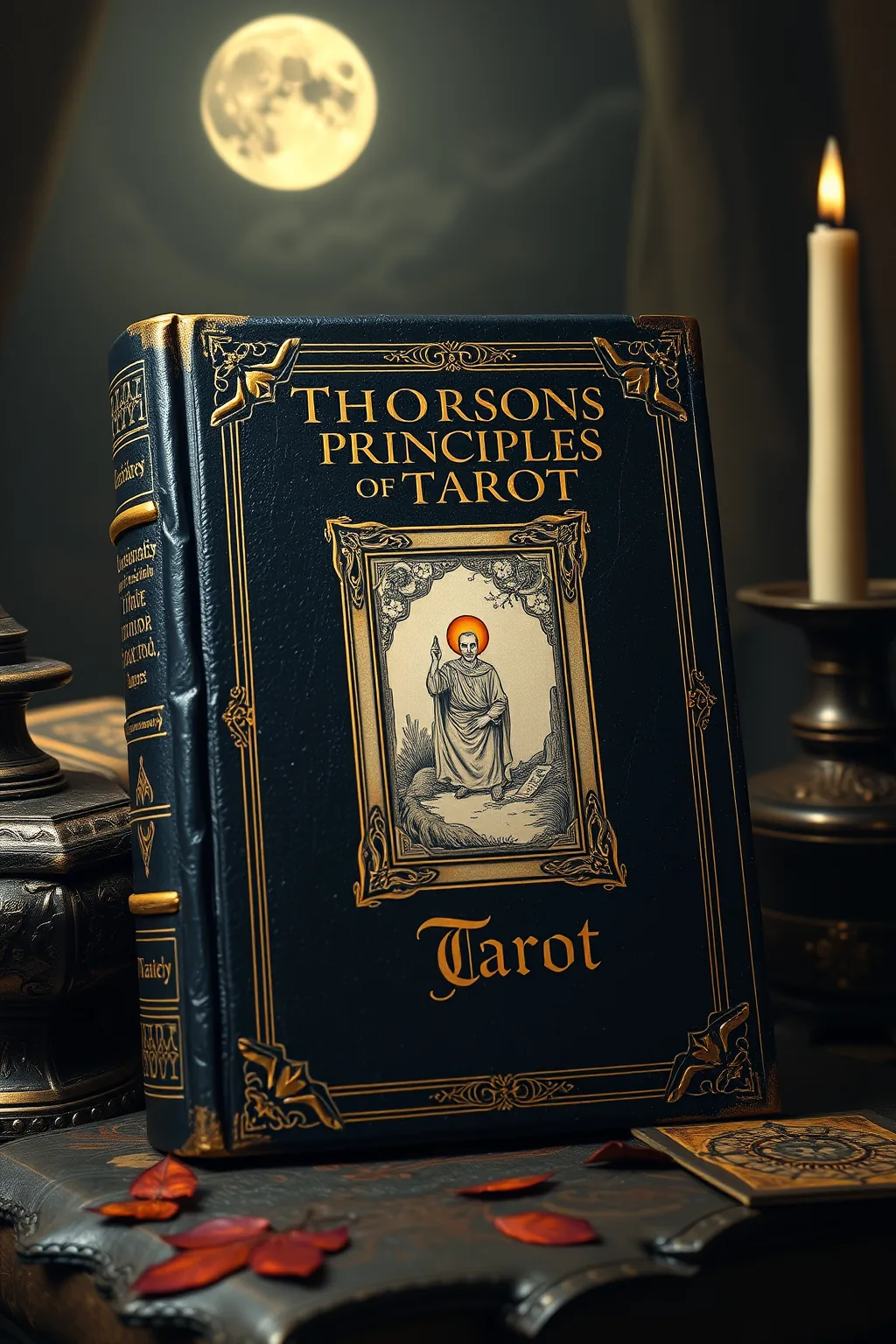
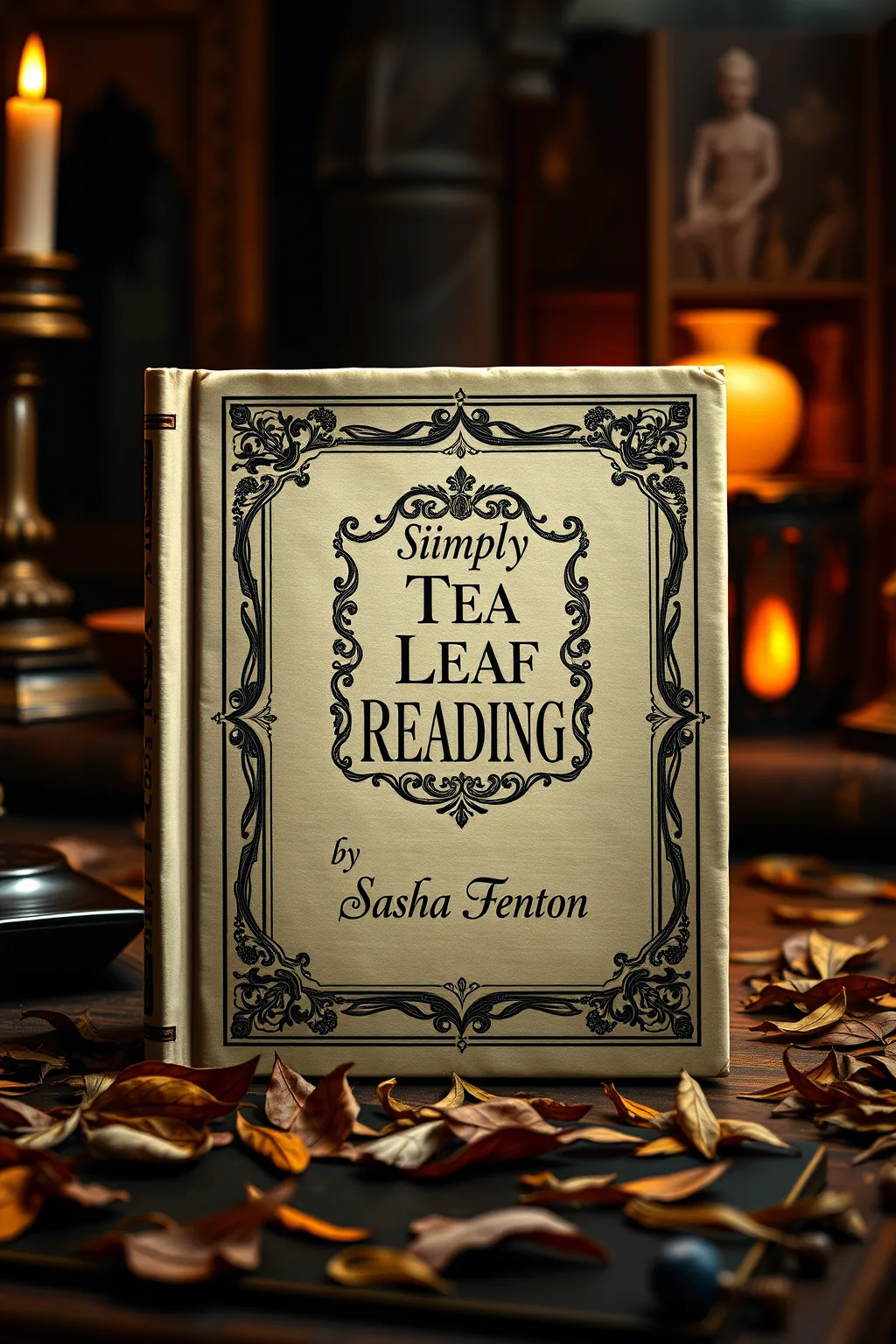
Simply Tea Leaf Reading
 61
61

Simply Tea Leaf Reading



Aurelia Blackwood (Occult Philosophy Critic) — Sasha Fenton's "Simply Tea Leaf Reading" is a masterclass in accessible esoteric wisdom. Fenton demystifies the art of tasseography with clarity and grace, revealing the profound symbolic language embedded within the tea leaves. This work transcends mere technique, delving into the philosophical and intuitive aspects of divination, encouraging a deeper connection with one's inner knowing. Its strength lies in its ability to empower readers, transforming a simple ritual into a potent tool for self-discovery and guidance. Ideal for those seeking to explore a foundational divination practice or to deepen their existing spiritual toolkit, Fenton's book is an indispensable companion on the path to intuitive understanding.
📝 Description
61
Sasha Fenton published "Simply Tea Leaf Reading" to demystify the ancient practice of tasseography.
Sasha Fenton's "Simply Tea Leaf Reading" explains how to interpret the patterns left by tea leaves in a cup. The book guides readers to see these shapes as symbols that can offer personal insights. It moves beyond simple instruction to encourage a deeper connection with intuition and the subtle energies present in daily life. Fenton suggests that the act of reading tea leaves can reveal personal prophecies and connect the reader to a long-standing tradition. The work aims to help both new enthusiasts and experienced practitioners develop their inner sight and recognize the links between ordinary actions and magical understanding.
The author details the process of preparing tea for a reading and the significance of different leaf formations. Readers learn to approach the practice with respect for its historical roots and its potential for self-discovery. The book emphasizes that tea leaf reading is not just about predicting the future but about understanding oneself and the world in a more symbolic way. It presents the practice as a contemplative ritual that can enhance mindfulness and personal growth.
Tasseography, or tea leaf reading, is a form of divination with roots stretching back to 17th century China and later development in Europe. It falls within the broader category of crystallomancy and other forms of scrying, where patterns or reflections are interpreted for meaning. This practice often connects with folk magic traditions and belief systems that see symbolic correspondences in everyday objects and natural phenomena. "Simply Tea Leaf Reading" situates itself within this lineage, presenting the technique not as mere superstition, but as a method for accessing subconscious insights and a connection to a tradition of symbolic interpretation.
💡 Why Read This Book?
Unlock the secrets whispered by the humble tea leaf and connect with an ancient art of foresight. This book is for the soul-seeker yearning for intuitive guidance, the curious mind drawn to symbolic language, and the practitioner looking to enrich their divinatory practices with a deeply personal and accessible method. Discover profound insights into your life's journey through the enchanting realm of tasseography.
⭐ Reader Reviews
Honest opinions from readers who have explored this book.
❓ Frequently Asked Questions
What is tea leaf reading?
Tea leaf reading, or tasseography, is an ancient form of divination where the patterns left by tea leaves in a cup are interpreted to reveal insights, guidance, and future possibilities.
What kind of tea is best for reading?
Loose-leaf black tea is traditionally preferred due to its tendency to leave distinct patterns. However, the reader's intuition and connection to the tea are paramount.
How do I start learning tea leaf reading?
Begin by familiarizing yourself with common symbols and their interpretations, then practice regularly with intention and an open, intuitive mind. "Simply Tea Leaf Reading" provides an excellent foundation.
Can I read my own tea leaves?
Absolutely. Reading for oneself is a powerful way to foster self-awareness and intuitive development. The book guides you through this personal practice.
What if the tea leaves don't form clear symbols?
Sometimes the patterns are abstract or subtle. Focus on the overall feeling, the arrangement, and any intuitive impressions you receive, as these are just as significant.
🔮 Key Themes & Symbolism
The Language of Symbolism
Explore the wide range of symbols that emerge from the tea leaves, each holding a unique vibrational meaning. Fenton guides readers to understand archetypal imagery, personal associations, and the collective unconscious as reflected in the patterns. This theme looks at how seemingly random formations can translate into profound messages about relationships, career, spiritual growth, and life's unfolding journey, fostering a deeper appreciation for the symbolic nature of reality.
Intuitive Connection and Inner Wisdom
This book emphasizes the cultivation of intuition as the primary tool for tea leaf reading. It teaches practitioners to move beyond rote memorization of symbols and instead to attune themselves to the subtle whispers of their inner knowing. By fostering a meditative state and encouraging mindful engagement with the reading process, Fenton empowers individuals to access their own wellspring of wisdom, confirming that the most potent insights often arise from within.
The Sacred Ritual of Divination
Fenton elevates tea leaf reading from a mere parlor trick to a sacred ritual. This theme explores the transformative power of grounding oneself, setting intentions, and approaching the divination process with respect and reverence. The act of preparing and consuming the tea becomes a meditative practice, creating a sacred space for receiving guidance. The book invites readers to integrate this ancient practice into their daily lives, finding magic and meaning in everyday moments.
💬 Memorable Quotes
Direct passages from the work, attributed to the author.
“Listen to the whispers in the leaves; they speak the language of your soul.”
— Emphasizes the intuitive aspect of tasseography, urging readers to trust their inner voice and the subtle messages conveyed by the tea leaf formations, connecting them to their deepest self.
“The simplest brew can reveal the most complex truths.”
— Underscores the accessibility and profound potential of tea leaf reading, suggesting that even common practices can unlock deep wisdom and understanding.
“In the stillness of the cup, find the clarity of the cosmos.”
— Connects the micro-cosmic patterns in the teacup to the macro-cosmic order, implying that universal truths and guidance can be found through focused attention on the mundane.
💡 Key Ideas
Editorial paraphrase of the work's core concepts — not direct quotes.
The cup holds not just the dregs of tea, but the elements of your journey.
This quote highlights the profound nature of tea leaf reading, suggesting that the patterns left behind are more than just remnants; they are a reflection of one's past, present, and potential future experiences.
Every swirl and speck is a chapter in your unfolding story.
This quote frames tea leaf reading as a narrative art, where each detail within the cup contributes to a larger, ongoing story of the individual's life and destiny.
🌙 Esoteric Significance
Tradition
Tasseography aligns with the broader esoteric tradition of sympathetic magic and divination, where the microcosm (the tea leaves in the cup) is seen to reflect the macrocosm (the universe and one's life). It shares roots with other forms of scrying and interpretation of natural signs, emphasizing the belief that patterns in the material world hold hidden meanings accessible through intuitive perception and symbolic understanding.
Symbolism
The symbolism in tea leaf reading is vast and fluid, drawing from archetypes, natural imagery, and cultural associations. Common symbols like snakes (transformation), birds (messages), or chains (confinement/connection) are interpreted not just literally, but also in relation to the querent's personal context. The arrangement of leaves, their density, and the emptiness of the cup all contribute to a nuanced symbolic language that speaks to the individual's inner state and external circumstances.
Modern Relevance
In an age often perceived as overly rational and disconnected, tea leaf reading offers a potent antidote, reconnecting individuals with intuition, symbolism, and the practice of mindful presence. It provides a tangible, accessible method for introspection and self-guidance, allowing modern seekers to explore their inner landscape and gain perspective on life's challenges and opportunities through a practice rooted in ancient wisdom.
👥 Who Should Read This Book
This book is an invaluable resource for aspiring diviners, offering a clear and gentle introduction to the art of tea leaf reading. Seasoned practitioners of tarot, astrology, or other divination methods will find it a complementary tool to expand their repertoire and deepen their intuitive skills. Spiritual seekers looking for personal insight and a connection to ancient wisdom will discover a profound and accessible practice. Even those simply curious about the esoteric will be captivated by the enchanting simplicity and depth of tasseography as presented by Sasha Fenton.
📜 Historical Context
Tea leaf reading, or tasseography, boasts a long history intertwined with the global spread of tea itself, originating likely in ancient China and gaining prominence throughout the Ottoman Empire and Europe by the 17th and 18th centuries. As tea became a staple commodity, its consumption fostered a new ritual of divination, particularly in social settings. This practice flourished during periods of burgeoning interest in the esoteric and occult, including the Victorian era's fascination with spiritualism and fortune-telling. 'Simply Tea Leaf Reading' taps into this enduring tradition, drawing from centuries of accumulated knowledge and symbolism, offering readers a connection to a practice that has captivated minds across diverse cultures and eras, bridging the gap between everyday life and the mysteries of the unseen.
📔 Journal Prompts
What immediate symbols or feelings arise as I prepare my tea for reading today?
How does the act of preparing and sipping tea connect me to my inner self?
What recurring symbols have I noticed in past tea leaf readings, and what might they signify collectively?
If I were to assign a personality to the 'cup' itself, what qualities would it possess?
How can the insights gained from tea leaf reading be practically applied to a current life situation?
🗂️ Glossary
Tasseography
The art or practice of reading fortunes by interpreting the patterns of tea leaves, coffee grounds, or wine sediment left in a cup.
Divination
The practice of seeking knowledge of the future or the unknown by supernatural means, often through the interpretation of omens or signs.
Symbolism
The use of symbols to represent ideas or qualities; in divination, the interpretation of patterns as representations of concepts or events.
Intuition
The ability to understand something immediately, without the need for conscious reasoning; a key faculty in interpreting divinatory signs.
Querent
The person for whom a divination reading is performed; the individual seeking insight or guidance.
This book appears in 1 collection
🔮 Readers Also Liked
Browse all →









From the “Tea Leaf Reading” Collection
View all →


More Free Divination & Tarot Books
View all →