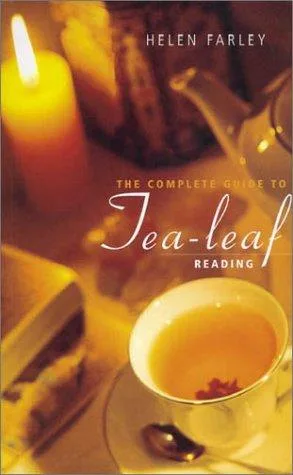
The Complete Guide to Tea-leaf Reading
 62
62

The Complete Guide to Tea-leaf Reading



Sophia Crane (Associate Editor) — Helen Farley's "The Complete Guide to Tea-leaf Reading" stands as a cornerstone for anyone seeking to master the subtle art of tasseography. Farley’s approach is both deeply scholarly and remarkably accessible, demystifying the often-obscure symbolism inherent in tea-leaf divination. She masterfully bridges the gap between ancient tradition and contemporary practice, offering clear, actionable guidance for interpreting the ephemeral patterns. This book is an essential resource for intuitive readers, aspiring mystics, and those curious about the profound wisdom embedded in everyday rituals. Its strength lies in its comprehensive nature, providing not just a lexicon of symbols but also the philosophical framework to understand their significance, making it an indispensable addition to any esoteric library.
📝 Description
62
Helen Farley's 1991 book decodes the symbolic language of tea leaves.
This guide covers the practice of tasseography, commonly known as tea-leaf reading. Helen Farley details how to interpret the patterns left in a teacup after brewing. The book moves beyond simple prediction, examining the symbolic meanings of various shapes and figures that appear. It explains how to understand these symbols in relation to personal circumstances.
Farley structures the information to assist both newcomers to divination and those already familiar with esoteric practices. The text aims to connect the act of reading tea leaves with broader concepts of intuition and self-understanding. It suggests that the ritual of tea preparation and reading can foster introspection and personal insight. The goal is to transform a daily habit into a method for exploring one's inner landscape and potential future.
Tasseography, the art of reading fortunes in tea leaves, has roots in 18th-century European divination practices, evolving from earlier methods like interpreting wine dregs. It became popular in the Victorian era as a parlor game and a more accessible form of fortune-telling compared to complex astrological charts or expensive tarot readings. This practice often sits within the broader spectrum of folk magic and intuitive spiritualism, emphasizing personal interpretation and connection to subtle energies. Farley's work contributes to this tradition by providing a structured approach to a practice often passed down orally or through fragmented texts.
💡 Why Read This Book?
Unlock the ancient wisdom held within your teacup. This guide offers a profound connection to intuitive divination, transforming a daily ritual into a powerful tool for self-discovery. Ideal for seekers of hidden knowledge, practitioners of esoteric arts, and anyone yearning to understand life's subtle messages, it provides clear pathways to deciphering the symbolic language of tea leaves for guidance and insight.
⭐ Reader Reviews
Honest opinions from readers who have explored this book.
❓ Frequently Asked Questions
What is tea-leaf reading, also known as tasseography?
Tasseography, or tea-leaf reading, is an ancient form of divination where patterns left by tea leaves in a cup are interpreted to gain insights into the past, present, and future. It's a practice steeped in symbolism and intuition.
Do I need special tea for reading?
No, standard loose-leaf tea is perfectly suitable. The key is the process of brewing and observing the patterns left behind, not the specific type of tea, though some traditions favor certain blends.
How detailed are the interpretations provided?
The book offers a comprehensive glossary of symbols and their common interpretations, alongside guidance on how to approach the reading holistically, considering the context and the querent's intuition.
Is this book suitable for absolute beginners?
Absolutely. Helen Farley’s "The Complete Guide to Tea-leaf Reading" is designed to be accessible to beginners, providing step-by-step instructions and clear explanations of fundamental concepts and techniques.
Can tea-leaf reading provide specific answers to life questions?
While not always providing direct 'yes' or 'no' answers, tea-leaf reading offers symbolic guidance, revealing underlying energies, potential outcomes, and areas for focus, empowering the individual to make informed decisions.
🔮 Key Themes & Symbolism
The Language of Symbols
This theme looks at the profound symbolic lexicon of tasseography. It explores how mundane objects and shapes formed by tea leaves can represent complex ideas, archetypes, and energies. The book meticulously deciphers these visual metaphors, from animal forms to abstract patterns, revealing their universal meanings and how they speak to the querent's subconscious. It emphasizes that each symbol is not static but gains meaning through intuition and context, fostering a deeper understanding of the symbolic language that permeates our lives and the cosmos.
Intuition and Inner Wisdom
Central to tea-leaf reading is the cultivation of intuition. This theme highlights how the practice serves as a powerful catalyst for awakening and honing one's inner wisdom. Farley guides readers to move beyond rote memorization of symbols, encouraging them to trust their gut feelings and personal associations with the patterns they observe. The book posits that the tea leaves act as a mirror to the soul, reflecting the querent's own subconscious insights and providing a sacred space for introspection and self-awareness, thus fostering a more profound connection with one's own psychic potential.
Ritual and Sacred Practice
This theme elevates tea-leaf reading from a mere fortune-telling technique to a deeply meaningful ritual. It explores the sacred aspects of preparing and consuming tea, transforming a simple act into a meditative practice that aligns the reader and querent with subtle energies. The book emphasizes the importance of intention, focus, and creating a tranquil environment to facilitate clear communication with the divinatory forces. By engaging in this ritual, practitioners can imbue their lives with a sense of magic and purpose, connecting with ancient traditions and finding spiritual solace and guidance in the everyday.
💬 Memorable Quotes
Direct passages from the work, attributed to the author.
“Listen not just to the shapes, but to the whispers they conjure.”
— Emphasizes the importance of intuitive interpretation over rote memorization. The true meaning lies in the feelings and subtle messages evoked by the symbols, not just their dictionary definitions.
“In every swirl and drop, a story unfolds, waiting to be heard.”
— Highlights the narrative aspect of tea-leaf reading, suggesting that the patterns form a coherent story that can be deciphered, offering a unique perspective on life's events and challenges.
“Your intuition is the finest compass, guiding you through the symbolic sea.”
— Reinforces the central role of the reader's intuition. It presents intuition as the primary tool for reading through the complex symbolism of tea leaves, ensuring an authentic and personal reading.
💡 Key Ideas
Editorial paraphrase of the work's core concepts — not direct quotes.
The cup is a mirror; the leaves, its reflection of the soul's journey.
This quote expresses the core of tea-leaf reading as a reflective practice, where the patterns in the cup mirror the querent's inner state and life path, offering profound self-insight.
The art of tasseography lies in connecting the mundane to the mystical.
This quote underscores the book's theme of finding magic and deeper meaning in everyday practices. It positions tea-leaf reading as a bridge between the ordinary world and the field of the sacred.
🌙 Esoteric Significance
Tradition
Tasseography is deeply embedded within the Western esoteric tradition, particularly alongside practices like scrying, palmistry, and cartomancy. It is often viewed as a form of sympathetic magic, where the patterns in the cup are seen as a microcosm reflecting the macrocosm of the querent's life and the universe. Its practice aligns with hermetic principles of correspondence and the belief that 'as above, so below,' suggesting that insights into the divine or hidden realms can be gleaned from earthly manifestations.
Symbolism
The symbolism in tea-leaf reading is vast and many-sided, drawing from archetypal imagery, natural forms, and cultural motifs. Common symbols include animals (representing instincts, traits, or situations), celestial bodies (indicating destiny or major life influences), and abstract shapes (denoting emotions, challenges, or opportunities). The interpretation of these symbols is not rigid; it's a dynamic interplay between established meanings and the intuitive perception of the reader, guided by the context of the question and the querent's personal resonance.
Modern Relevance
In an age often characterized by rapid change and a perceived disconnection from deeper meaning, tea-leaf reading offers a grounding and introspective practice. It provides a tangible method for accessing intuition and fostering a mindful approach to life's questions. Its modern relevance lies in its ability to empower individuals by offering a unique perspective on personal challenges and opportunities, encouraging self-reflection, and reconnecting them with ancient wisdom traditions that offer solace and guidance in reading through the complexities of contemporary existence.
👥 Who Should Read This Book
This comprehensive guide is an indispensable resource for a diverse audience. For the absolute beginner, it provides a clear, step-by-step introduction to the art of tea-leaf reading, explaining its techniques and symbolism. Experienced practitioners of divination, tarot readers, or astrologers will find it an invaluable addition to their repertoire, offering new perspectives and a deeper understanding of symbolic interpretation. Spiritual seekers and those on a path of self-discovery will appreciate its ability to unlock intuition and provide useful insights into life's journey. Scholars of esoteric traditions will find its historical context and detailed symbolic analysis enlightening, making it a vital text for anyone interested in the metaphysical arts.
📜 Historical Context
The practice of tea-leaf reading, or tasseography, traces its roots back centuries, with origins often attributed to ancient China and later flourishing in regions where tea consumption became widespread, particularly in Europe during the 17th and 18th centuries. As tea drinking evolved from a medicinal beverage to a social ritual, so too did the art of interpreting the residue left in the cup. This practice emerged during periods of burgeoning interest in mysticism, occultism, and spiritualism, where divination played a significant role in seeking guidance and understanding the unseen forces of the universe. "The Complete Guide to Tea-leaf Reading" by Helen Farley taps into this rich historical current, offering a contemporary interpretation of a tradition that has captivated seekers for generations, providing a link to ancestral wisdom and esoteric practices.
📔 Journal Prompts
Reflect on a recent dream and identify any symbols that might also appear in tea leaves. How do these connect?
What personal meanings do you associate with common tea-leaf symbols like birds, water, or trees?
Describe a situation in your life where you feel 'stuck.' What patterns might the tea leaves reveal about this?
How can the ritual of preparing and drinking tea enhance your sense of mindfulness and intuition?
Imagine you are teaching a friend to read tea leaves. What is the most important piece of advice you would give them?
🗂️ Glossary
Tasseography
The practice of divination by interpreting the patterns of tea leaves, coffee grounds, or wine sediment left in a cup after drinking.
Querent
The person for whom a divination reading is being performed. Their questions and circumstances are central to the interpretation of the symbols.
Symbolism
The use of images and figures to represent abstract ideas or concepts. In tasseography, these symbols offer insights into various aspects of life.
Intuition
The ability to understand something immediately, without the need for conscious reasoning. It is a key component in accurately interpreting tea-leaf patterns.
Divination
The practice of seeking knowledge of the future or the unknown by supernatural means. Tasseography is one form of this ancient practice.
This book appears in 1 collection
🔮 Readers Also Liked
Browse all →









More by Helen Farley
All books →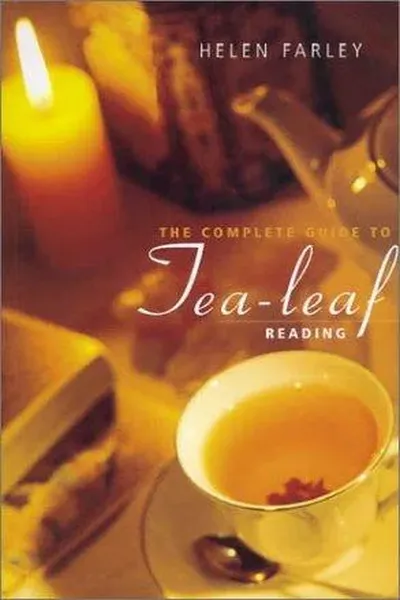
From the “Tea Leaf Reading” Collection
View all →



More Free Divination & Tarot Books
View all →