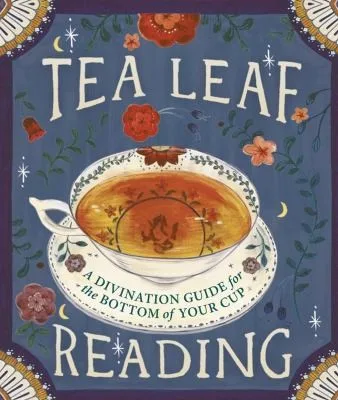
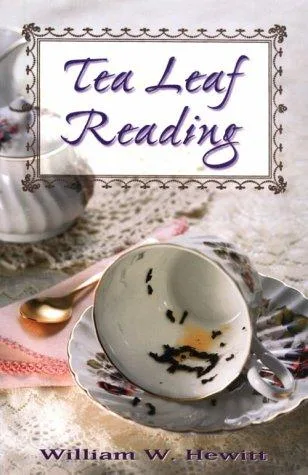
Tea Leaf Reading
 62
62

Tea Leaf Reading



Aurelia Blackwood, Occult Philosophy Critic: Dennis Fairchild's 'Tea Leaf Reading' is a masterclass in accessible divination. Fairchild transcends mere instruction, weaving a narrative rich with esoteric philosophy and practical application. He illuminates the profound symbolism inherent in tasseography, revealing it not as parlor trickery, but as a sophisticated system for self-discovery and intuitive development. The strength of this work lies in its ability to demystify complex concepts, making the art of reading tea leaves accessible to earnest students and seasoned practitioners alike. It is an indispensable addition to any library dedicated to the divinatory arts.
📝 Description
62
Dennis Fairchild's 1997 book deciphers the symbols left in tea leaves.
Dennis Fairchild's book, first published in 1997, details the practice of reading tea leaves. The text breaks down the symbolic language found in the dregs of a teacup, explaining how to interpret these patterns. Fairchild guides the reader through understanding the shapes and formations, connecting them to insights about past, present, and future.
The author emphasizes the importance of a calm, receptive state of mind for effective divination. The book suggests that this practice is more than a technique; it is a way to connect with subtle energies and explore concepts like synchronicity. It aims to help readers find deeper meaning in everyday occurrences through this method of scrying.
This work fits within the tradition of scrying and folk divination practices. Like other forms of tasseography, it uses everyday objects to interpret symbolic messages. The book connects this practice to broader esoteric concepts, such as the interconnectedness of events and the potential for foretelling. It draws on a lineage of methods that seek meaning in natural or mundane phenomena, positioning tea leaf reading as a accessible form of esoteric inquiry.
💡 Why Read This Book?
Uncover the ancient secrets of tasseography and unlock your intuitive potential. This book provides a comprehensive guide to interpreting the symbolic language of tea leaves, offering profound insights into personal destiny and spiritual growth. Ideal for seekers of hidden knowledge, aspiring diviners, and those who wish to transform everyday rituals into profound moments of self-reflection and connection.
⭐ Reader Reviews
Honest opinions from readers who have explored this book.
❓ Frequently Asked Questions
What is Tea Leaf Reading (Tasseography)?
Tasseography, or tea leaf reading, is an ancient form of divination where the patterns and symbols left by tea leaves in a cup are interpreted to gain insight into the past, present, and future.
What kind of tea is best for reading?
While any loose-leaf tea can be used, black teas are traditionally favored due to their ability to leave clear, dark patterns. The key is to brew it strong and leave a small amount of liquid.
How do I prepare for a reading?
Create a calm, focused environment. Hold the warm cup, focus your intention on the question or person you are reading for, and then gently swirl the cup before inverting it to let the leaves drain.
What if I don't see clear symbols?
The ability to see symbols develops with practice. Focus on the overall patterns, shapes, and feelings the leaves evoke. Intuition plays a significant role; trust your initial impressions.
Can tea leaf reading predict specific events?
While tasseography can offer guidance and highlight potentials, it is not a rigid prediction of unchangeable events. It reveals tendencies and influences, empowering the reader to make informed choices.
🔮 Key Themes & Symbolism
The Language of Symbols
This book studies the collection of symbolic language embedded within the patterns of tea leaves. Fairchild meticulously guides the reader through understanding the archetypal meanings of various shapes, figures, and formations, from the celestial to the mundane. It emphasizes that these symbols are not arbitrary but are a universal lexicon of the subconscious and the cosmos, speaking in a language that transcends spoken words. Learning this language is akin to unlocking a hidden code, allowing for a deeper comprehension of life's intricate designs and personal narratives.
Intuition and Inner Vision
Fundamentally, tea leaf reading is an exercise in cultivating and trusting intuition. Fairchild stresses that while symbolic knowledge is crucial, the true art lies in the practitioner's ability to connect with their inner knowing. The process encourages a meditative state, quieting the rational mind to allow the subconscious to interpret the visual cues. This fosters a heightened awareness of subtle energies and psychic impressions, transforming a simple act of reading into a profound act of self-discovery and spiritual attunement. It's about learning to 'see' beyond the surface.
The Art of Transformation
Fairchild presents tea leaf reading not just as a tool for prediction, but as a catalyst for personal transformation. By understanding the potentials and challenges revealed in the leaves, individuals are empowered to make conscious choices and navigate their life paths with greater clarity and wisdom. The practice encourages introspection, self-awareness, and the acceptance of life's cyclical nature. It offers a unique perspective on destiny, suggesting that while certain currents may be present, the ultimate direction is often shaped by our own agency and understanding.
💬 Memorable Quotes
Direct passages from the work, attributed to the author.
“Every swirl of the leaves is a question answered, a truth revealed.”
— Emphasizes the active, responsive nature of tea leaf reading, suggesting that each reading provides a direct and meaningful response to the querent's inquiries.
“The most useful insights are often found in the simplest of forms.”
— Points to the accessible yet deep nature of tea leaf symbols, suggesting that even seemingly basic shapes carry significant esoteric meaning.
“Listen not just with your ears, but with your soul.”
— A call to embrace intuitive perception, urging the reader to go beyond literal interpretation and connect with the deeper, spiritual messages conveyed by the leaves.
“In the dregs, we find the seeds of our becoming.”
— Suggests that the 'bottom' of the cup, representing the subconscious or untapped potential, holds the key elements for personal growth and future development.
💡 Key Ideas
Editorial paraphrase of the work's core concepts — not direct quotes.
The cup holds elements of what has been and whispers of what may come.
This quote captures the essence of tasseography as a divinatory tool, highlighting its ability to connect with both past experiences and future possibilities.
🌙 Esoteric Significance
Tradition
Tasseography is deeply rooted in ancient traditions of divination, drawing parallels with augury, scrying, and other forms of sympathetic magic where patterns in natural elements are interpreted. It aligns with Hermetic principles of 'As Above, So Below,' viewing the microcosm of the tea cup as a reflection of the macrocosm. Its practice fosters a connection to archetypal symbolism, often found in Jungian psychology and various esoteric philosophies, linking the personal to the universal.
Symbolism
The symbolism in tea leaf reading is vast and often multi-layered. Common symbols include animals (representing instincts or specific qualities), celestial bodies (indicating fate or significant influences), human figures (representing relationships or aspects of the self), and abstract shapes (signifying emotional states or energies). Each symbol's meaning can be nuanced by its context, proximity to other symbols, and the overall pattern within the cup, creating a rich narrative.
Modern Relevance
In an age of constant information and external validation, tea leaf reading offers a powerful counterpoint, encouraging introspection and the development of inner wisdom. It provides a tangible method for connecting with intuition, fostering mindfulness, and finding meaning in everyday rituals. The practice serves as a grounding technique, inviting individuals to slow down, reflect, and engage with a timeless form of self-inquiry that remains profoundly relevant for personal growth and spiritual exploration.
👥 Who Should Read This Book
This informative guide is essential for aspiring diviners seeking to master a unique and accessible art. It will deeply resonate with spiritual seekers yearning to deepen their intuitive abilities and connect with ancient wisdom traditions. Scholars of esoteric practices will find a comprehensive and well-researched exploration of tasseography's historical and symbolic landscape. For practitioners of tarot, astrology, or other divination methods, this book offers a complementary tool for holistic insight and personal development.
📜 Historical Context
Tea leaf reading, or tasseography, emerged as a popular divinatory practice in the 17th century, coinciding with the widespread introduction of tea to Europe from China. As this exotic beverage gained traction among the aristocracy and later the general populace, its residue in the cup became a focal point for interpretation. Influenced by older traditions of scrying and augury, tasseography flourished in the 18th and 19th centuries, particularly within spiritualist circles and bohemian salons. This era saw a surge of interest in esoteric knowledge, mysticism, and the exploration of the unseen. Dennis Fairchild's work stands as a proof of this enduring fascination, bridging the historical practice with modern seekers of wisdom.
📔 Journal Prompts
Reflect on a recurring symbol you've noticed in your tea leaf readings. What might it represent in your current life circumstances?
Describe a time you felt a strong intuitive 'knowing' about something. How does this relate to the process of reading tea leaves?
What is your personal intention for learning tea leaf reading? How do you hope it will transform your understanding of yourself and the world?
If you were to create your own tea blend specifically for divination, what ingredients would you choose and why?
Consider a current challenge you are facing. How might the symbols in a tea leaf reading offer guidance or a new perspective on this situation?
🗂️ Glossary
Tasseography
The art or practice of divining the future by interpreting the patterns of tea leaves, coffee grounds, or wine sediments left in a cup.
Divination
The practice of seeking knowledge of the future or the unknown by supernatural means.
Symbolism
The use of symbols to represent ideas or qualities, particularly in the context of interpretation and meaning-making.
Intuition
The ability to understand something immediately, without the need for conscious reasoning; inner knowing or gut feeling.
Querent
The person for whom a divination reading is performed; the individual seeking insight or answers.
This book appears in 1 collection
🔮 Readers Also Liked
Browse all →









More by Dennis Fairchild
All books →




From the “Tea Leaf Reading” Collection
View all →




More Free Divination & Tarot Books
View all →