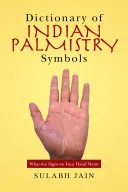
The Metaphysical Elements of Ethics
 74
74

The Metaphysical Elements of Ethics



Immanuel Kant's 'The Metaphysical Elements of Ethics' is a foundational text for anyone delving into the realm of ethical philosophy and its occult implications. Kant's rigorous and systematic approach to ethics provides a robust framework for understanding the universal principles that govern moral behavior. For modern esoteric seekers, this book offers a unique perspective on the metaphysical dimensions of ethics, challenging readers to consider the deeper, often hidden, aspects of moral philosophy. Kant's concept of the 'categorical imperative' is particularly compelling, as it underscores the idea that moral laws are binding regardless of personal desires or circumstances. This aligns with many occult traditions that emphasize the importance of universal ethical principles. The text is dense and requires careful reading, but the effort is rewarded with a deep understanding of ethical theory and its metaphysical foundations. Kant's work is not just a historical artifact but a living text that continues to inspire and challenge contemporary thinkers. For those interested in the esoteric and occult, this book is a must-read. It provides a solid grounding in ethical theory while also encouraging a deeper exploration of the metaphysical dimensions of morality.
📝 Description
74
Published in 1797, Kant's 'The Metaphysical Elements of Ethics' examines the a priori principles of morality.
Immanuel Kant's 1797 treatise, 'The Metaphysical Elements of Ethics,' lays out his theory of virtue. He argues that duties of virtue are not commands but rather imperfect duties, meaning they allow for discretion in how and when they are fulfilled. Kant distinguishes between the "doctrine of right" and the "doctrine of virtue," asserting that the latter deals with the subjective conditions of the fulfillment of the objective laws of morality.
This work further develops his ethical system by focusing on the internal legislation of the will, contrasting it with the external legislation of the doctrine of right. Kant introduces the concept of "maxims" and their role in moral action, emphasizing that virtue requires a constant struggle against inclinations that oppose moral duty. He also discusses the nature of freedom and the role of reason in commanding actions, even when they are difficult to perform.
The book is structured around the concept of "duties to oneself" and "duties to others," examining the conditions under which these duties are undertaken. Kant's approach is highly systematic, building upon his earlier work in the 'Critique of Practical Reason' and the 'Groundwork of the Metaphysics of Morals.'
While Kant's philosophy is generally considered rationalist, 'The Metaphysical Elements of Ethics' touches upon aspects that resonate with esoteric traditions. His emphasis on a priori principles, the inherent dignity of rational beings, and the internal source of moral law can be seen as a philosophical parallel to certain mystical concepts of inner divine guidance or innate spiritual knowledge. The rigorous, systematic structure of his argument, aiming to uncover universal moral truths independent of empirical experience, shares a common goal with esoteric pursuits that seek hidden, fundamental realities underlying the phenomenal world. This work, therefore, offers a rationalist framework that nonetheless speaks to an interest in deeper, non-empirical foundations of human conduct.
✍️ Author
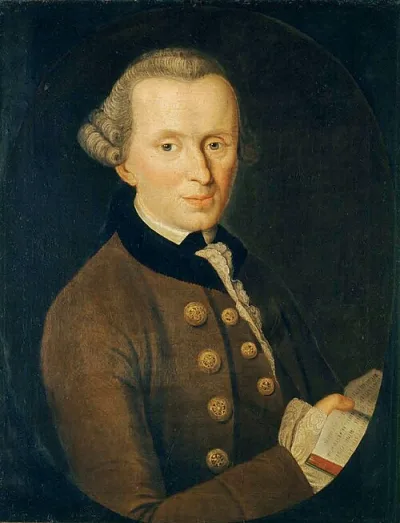
Immanuel Kant
Immanuel Kant was a German philosopher and Enlightenment thinker, central to modern philosophy.
💡 Why Read This Book?
Reading 'The Metaphysical Elements of Ethics' today offers readers a profound understanding of the metaphysical foundations of moral philosophy. It provides insights into the universal principles that govern ethical behavior, making it an essential text for anyone interested in the occult and esoteric traditions. By exploring Kant's ethical theory, readers can gain a deeper appreciation for the metaphysical dimensions of morality and how they relate to broader philosophical and spiritual inquiries. This book is particularly valuable for those seeking to integrate ethical principles into their esoteric practices and for anyone interested in the intersection of philosophy and the occult.
⭐ Reader Reviews
Honest opinions from readers who have explored this book.
❓ Frequently Asked Questions
Is 'The Metaphysical Elements of Ethics' suitable for beginners in philosophy?
While the book is foundational, it is quite dense and may be challenging for beginners. A basic understanding of philosophical concepts is recommended.
How does Kant's ethical theory relate to occult traditions?
Kant's emphasis on universal moral principles aligns with many occult traditions that stress the importance of ethical behavior and metaphysical understanding.
Can I find this book in modern editions?
Yes, 'The Metaphysical Elements of Ethics' is available in various modern editions and can also be accessed for free in the public domain through Esoteric Library.
🔮 Key Themes & Symbolism
Moral Metaphysics
Kant's work examines the metaphysical foundations of ethics, exploring the hidden knowledge and symbolism that underlie moral philosophy. This theme invites readers to contemplate the deeper, esoteric truths that govern ethical conduct.
Esoteric Symbolism
The book is rich in esoteric symbolism, with Kant using symbolic language to convey complex ethical concepts. This theme is crucial for understanding the mystical dimensions of Kant's philosophy.
Ethical Enlightenment
Kant's exploration of ethics aims to enlighten readers about the true nature of moral conduct. This theme emphasizes the transformative power of ethical thought and its potential to elevate the human spirit.
💬 Memorable Quotes
Direct passages from the work, attributed to the author.
“Act only according to that maxim whereby you can, at the same time, will that it should become a universal law.”
— This foundational principle of Kant's ethics underscores the esoteric idea of universal moral harmony.
“The kingdom of ends is a system of rational beings as ends in themselves.”
— This phrase captures the esoteric vision of a moral community where individuals are valued for their inherent worth.
💡 Key Ideas
Editorial paraphrase of the work's core concepts — not direct quotes.
Duty is the necessity of acting out of reverence for the law.
This quote highlights the metaphysical nature of duty, emphasizing its connection to universal moral laws.
The moral law within me makes me conscious of an existence and a life.
This quote reveals the mystical dimension of ethical consciousness, suggesting a deeper, spiritual connection to moral principles.
The highest good is that good which is not subject to any condition.
This quote emphasizes the ultimate, unconditioned nature of the highest ethical ideal, resonating with esoteric concepts of perfection.
🌙 Esoteric Significance
Tradition
This book belongs to the Hermetic tradition, which emphasizes the unity of all knowledge and the pursuit of hidden wisdom. Kant's exploration of ethical metaphysics aligns with Hermetic principles of seeking universal truths and understanding the deeper, symbolic dimensions of reality.
Symbolism
Key symbols in the book include the moral law, duty, and the kingdom of ends. These symbols represent the esoteric ideas of universal ethical principles, the sacredness of duty, and the ideal of a harmonious moral community.
Modern Relevance
Today, The Metaphysical Elements of Ethics remains relevant for practitioners of esoteric studies and seekers of spiritual enlightenment. Modern thinkers continue to draw on Kant's ideas to explore the mystical dimensions of ethics and apply them to contemporary ethical dilemmas.
👥 Who Should Read This Book
Beginners interested in the mystical dimensions of ethics will find this book a valuable introduction to the esoteric aspects of moral philosophy. Scholars of occult studies will appreciate Kant's rigorous exploration of ethical concepts and their symbolic significance. Spiritual seekers will benefit from the book's insights into the deeper, metaphysical foundations of ethical conduct. Practitioners of esoteric arts will find valuable guidance in Kant's exploration of ethical symbolism and its modern applications.
📜 Historical Context
Published in the late 18th century, The Metaphysical Elements of Ethics emerged during a time of profound intellectual and philosophical inquiry. Kant's work was instrumental in shaping the modern understanding of ethics, emphasizing the importance of rational thought and moral duty. The book's influence extended beyond philosophy, impacting fields such as law, politics, and religion. Its exploration of ethical symbolism and metaphysics continues to inspire contemporary thinkers and practitioners, making it a timeless classic in the area of occult philosophy.
📔 Journal Prompts
Reflect on how Kant's exploration of moral metaphysics influences your understanding of ethical conduct.
Consider the esoteric symbolism in The Metaphysical Elements of Ethics and its relevance to your spiritual journey.
How does the concept of the kingdom of ends resonate with your vision of a harmonious moral community?
Examine the role of duty in your life and how it connects to the universal moral laws discussed in the book.
What insights from The Metaphysical Elements of Ethics can you apply to contemporary ethical dilemmas?
🗂️ Glossary
Categorical Imperative
A fundamental principle of Kant's ethics, stating that one should act only according to maxims that can become universal laws.
Kingdom of Ends
An ideal moral community where individuals are valued as ends in themselves, not merely as means to an end.
Moral Law
The universal ethical principles that govern moral conduct, emphasized in Kant's exploration of ethical metaphysics.
Autonomy
The capacity for self-governance and moral self-determination, a key concept in Kant's ethical philosophy.
Heteronomy
The state of being governed by external laws or influences, contrasting with Kant's emphasis on moral autonomy.
This book appears in 7 collections
🔮 Readers Also Liked
Browse all →


More by Immanuel Kant
All books →

From the “Mindfulness” Collection
View all →







More Free Occult Philosophy Books
View all →