The New Revelation
 95
95

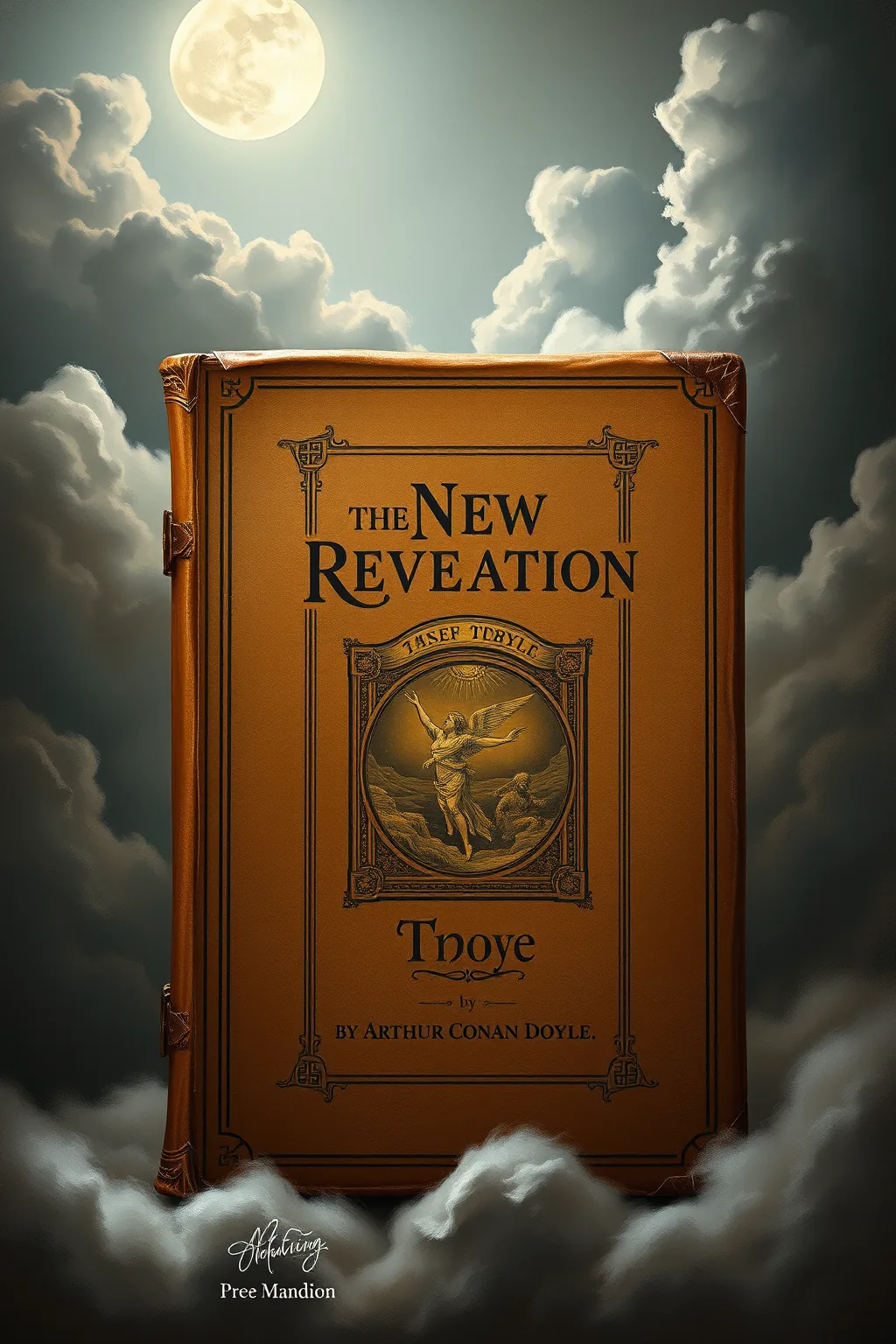
The New Revelation



Arthur Conan Doyle's The New Revelation is a fascinating foray into the world of spiritualism and the afterlife, offering modern esoteric seekers a unique perspective from a literary giant. Doyle's personal experiences with spiritualism, particularly after the loss of his son, infuse the text with a sense of urgency and authenticity. The book is a compelling blend of philosophical inquiry and personal testimony, making it a valuable resource for those interested in the history of spiritualist thought. While some of the language and concepts may feel dated, the core themes of communication with the spirit world and the nature of the afterlife remain relevant and thought-provoking. Doyle's exploration of these topics is both intellectually stimulating and emotionally resonant, providing a rich foundation for further study and reflection. For modern readers, The New Revelation serves as a reminder of the enduring human quest for meaning and connection beyond the physical realm.
📝 Description
95
Arthur Conan Doyle published 'The New Revelation' in 1918, arguing for the reality of spiritualism.
In 1918, Arthur Conan Doyle published 'The New Revelation,' a personal account of his engagement with spiritualism. Following the death of his son Kingsley in World War I, Doyle became deeply involved with the spiritualist movement, seeking comfort and answers about life after death. The book details his investigations into séances, mediumship, and communication with the departed. Doyle presents his experiences and beliefs with a conviction born from personal loss and a desire to share what he considered undeniable evidence of a spiritual reality. He aimed to convince a skeptical public of the validity of spiritualist phenomena, arguing that these experiences offered a glimpse into a world beyond the material.
'The New Revelation' is not a theoretical treatise but a direct testimony of Doyle's journey into spiritualism. He recounts specific instances and observations, encouraging readers to consider the possibility of continued existence and interaction with those who have passed on. The work reflects a man grappling with grief and finding solace in the tenets of spiritualism. Doyle’s aim was to bring these beliefs into the open, challenging the prevailing scientific and materialist worldview of his time and advocating for a broader understanding of human existence.
Published in the aftermath of World War I, a period marked by widespread death and a surge in spiritualist interest, 'The New Revelation' sits within the broader context of late Victorian and Edwardian esotericism. This era saw a fascination with the supernatural, the occult, and alternative spiritual paths as a response to rapid industrialization and secularization. Doyle's work aligns with other spiritualist literature of the time, which often presented personal testimonies and anecdotal evidence to support claims of communication with the spirit world. It reflects a particular strain of esoteric thought focused on empirical investigation of the unseen.
✍️ Author

Arthur Conan Doyle
British writer and physician, creator of Sherlock Holmes.
💡 Why Read This Book?
Reading The New Revelation today offers a unique opportunity to explore the esoteric beliefs that captivated one of literature's most famous figures. Arthur Conan Doyle's personal journey into spiritualism provides valuable insights into the human quest for meaning and connection beyond the physical world. This book is a must-read for those interested in the history of spiritualist movements, the development of esoteric thought, and the personal experiences that shape our understanding of the afterlife. By engaging with Doyle's explorations, readers can gain a deeper appreciation for the enduring fascination with the occult and the spiritual dimensions of human experience.
⭐ Reader Reviews
Honest opinions from readers who have explored this book.
❓ Frequently Asked Questions
What is the main theme of The New Revelation?
The main theme of The New Revelation is the exploration of spiritualism and the afterlife, focusing on communication with the spirit world and the philosophical underpinnings of spiritualist practices.
Why did Arthur Conan Doyle write this book?
Arthur Conan Doyle wrote The New Revelation after personal experiences with spiritualism, particularly following the death of his son. These experiences led him to explore the occult and share his findings with a broader audience.
Is The New Revelation suitable for modern readers?
Yes, The New Revelation is suitable for modern readers interested in the history of esoteric thought and spiritualist movements. The book offers valuable insights into the human quest for meaning and connection beyond the physical world.
🔮 Key Themes & Symbolism
Spiritualism and the Afterlife
Doyle studies the profound questions surrounding the afterlife, offering insights into the nature of consciousness and the existence of a spiritual realm beyond the physical plane. This theme is central to understanding the book's esoteric significance and its appeal to seekers of spiritual truth.
Hidden Knowledge and Symbolism
The New Revelation is rich in hidden knowledge and symbolism, inviting readers to uncover layers of meaning that transcend conventional understanding. This theme highlights the book's mystical allure and its relevance to those interested in the occult and metaphysical literature.
Philosophical Inquiry
Doyle's work challenges readers to question their perceptions of reality and to embrace the possibility of a spiritual dimension. This theme underscores the philosophical significance of the book and its potential to inspire deep contemplation and spiritual growth.
💡 Key Ideas
Editorial paraphrase of the work's core concepts — not direct quotes.
The veil between the worlds is thin, and those who seek can find the truth.
This passage underscores the book's exploration of the afterlife and the possibility of spiritual communication.
Hidden knowledge is the key to unlocking the mysteries of existence.
This quote emphasizes the importance of esoteric wisdom in understanding the deeper dimensions of reality.
The quest for meaning beyond the physical plane is a journey of the soul.
This line highlights the spiritual significance of the book's themes and its appeal to seekers of truth.
Symbolism is the language of the divine, revealing truths that lie beyond words.
This passage underscores the book's detailed symbolism and its relevance to those interested in the occult.
To question reality is to begin a path of enlightenment and spiritual growth.
This quote emphasizes the philosophical depth of the book and its potential to inspire profound contemplation.
🌙 Esoteric Significance
Tradition
The New Revelation belongs to the tradition of spiritualism, which emphasizes communication with the spirits of the deceased and the exploration of the afterlife. This tradition is rooted in the belief that there is a spiritual dimension beyond the physical plane, and that hidden knowledge can reveal the mysteries of existence.
Symbolism
Key symbols in the book include the veil between worlds, the quest for meaning beyond the physical plane, and the language of the divine. These symbols are central to the book's exploration of spiritualism and its appeal to seekers of esoteric wisdom.
Modern Relevance
Today, , 'The New Revelation' remains relevant to practitioners of spiritualism and those interested in the occult. Its exploration of hidden knowledge and symbolism continues to inspire deep contemplation and spiritual growth, making it an invaluable resource for modern seekers of truth.
👥 Who Should Read This Book
Beginners in spiritualism will find 'The New Revelation' an accessible and enriching introduction to the mysteries of the afterlife. Scholars of the esoteric will appreciate its deep philosophical inquiry and detailed symbolism. Spiritual seekers will be drawn to its exploration of hidden knowledge and the quest for meaning beyond the physical plane. Practitioners of spiritualism will find it a valuable resource for understanding the spiritual dimension and communicating with the divine.
📜 Historical Context
Written in an era when spiritualism was gaining traction, 'The New Revelation' by Arthur Conan Doyle reflects the growing interest in the occult and the afterlife during the late 19th and early 20th centuries. Doyle's work was influential in shaping the discourse around spiritualism, offering a unique perspective that blended personal experiences with philosophical inquiry. The book's exploration of hidden knowledge and symbolism resonated with readers seeking spiritual truth in a time of rapid scientific and technological advancement, making it an important work in the area of esoteric literature.
📔 Journal Prompts
Reflect on your own perceptions of the afterlife and how 'The New Revelation' challenges or confirms them.
Explore the symbols in the book and their personal significance to you.
Consider the philosophical questions raised in the book and their relevance to your spiritual journey.
Write about a personal experience that speaks to the themes of spiritualism in the book.
How does 'The New Revelation' inspire you to seek deeper spiritual truths?
🗂️ Glossary
Spiritualism
The belief in the possibility of communication with the spirits of the deceased, often through mediums or seances.
Afterlife
The existence of consciousness or the soul after death, often explored through spiritual and religious beliefs.
Hidden Knowledge
Esoteric wisdom that is not readily apparent or accessible to the general public, often revealed through spiritual practices or mystical experiences.
Symbolism
The use of symbols to represent abstract ideas or concepts, often found in literature and art.
Occult
The study of hidden or mysterious knowledge, often associated with the supernatural and the esoteric.
This book appears in 2 collections
🔮 Readers Also Liked
Browse all →



More by Arthur Conan Doyle
All books →





From the “Spiritualism” Collection
View all →









More Free Spiritualism & Afterlife Books
View all →