What is Mediumship?
Mediumship refers to the practice of purported communication between a living person, known as a medium, and one or more deceased spirits. This communication is believed to occur through various channels, including telepathy, clairvoyance, and clairaudience. Historically, the phenomenon has been documented across cultures and through different eras, often intersecting with spiritualism and parapsychology.
Best Books for Complete Beginners
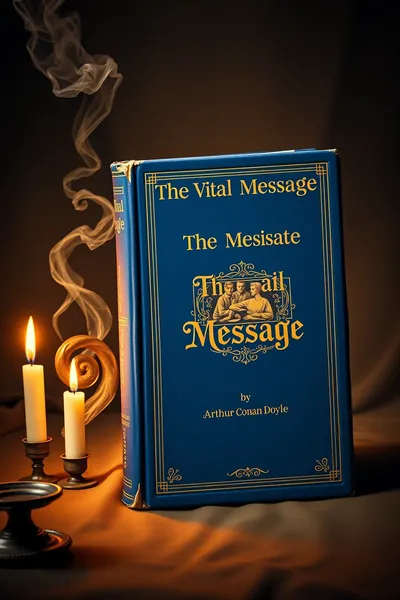
For those new to the subject, understanding the historical context and early explorations is key. Arthur Conan Doyle's 'The Vital Message' (1919) offers a sympathetic view of spiritualist phenomena, while L. Frank Baum's Oz books, such as 'The Marvelous Land of Oz' (1904), though fictional, tap into themes of unseen worlds and communication. Charles Mackay's 'Memoirs of Extraordinary Popular Delusions' (1841) provides critical historical context by examining past societal beliefs, including spiritualist movements, offering a balanced perspective on how such ideas have taken hold.
Intermediate Reading
Moving beyond introductory concepts, intermediate texts delve deeper into the mechanics and skepticism surrounding mediumship. Harry Houdini's 'Miracle Mongers and Their Methods' (1920) offers a crucial look at debunking fraudulent practices, essential for any serious student. J. L. Kennon's 'The Planet Mars and Its Inhabitants, a Psychic Revelation' (1901) presents a specific, albeit unusual, narrative of psychic communication. Works like 'The Prophet of Berkeley Square' (1901) by Robert Hichens explore fictionalized accounts of spiritual encounters, prompting reflection on the nature of belief and perception.
Classical / Advanced Texts
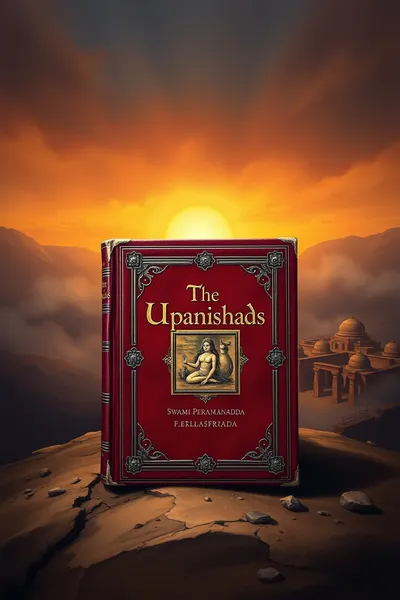
Advanced study involves engaging with foundational philosophical and religious texts that inform concepts of spirit and consciousness. 'The Upanishads' offers ancient Indian philosophical insights into the self and the cosmos. Laozi's 'The Tao Teh King' (2014 translation) provides a foundational text for Taoism, exploring universal principles and the flow of existence. The Deuterocanonical Books of the Bible (Apocrypha) contain texts that touch upon prophecy and divine communication, offering a different historical and theological perspective on spiritual interaction.
Reading Order — Step by Step
Begin with foundational historical overviews. Month 1: Start with Charles Mackay's 'Memoirs of Extraordinary Popular Delusions' (Volume 1, 1841) to grasp historical belief patterns. Follow with Arthur Conan Doyle's 'The Vital Message' (1919) for a sympathetic early 20th-century perspective. Month 2: Engage with Harry Houdini's 'Miracle Mongers and Their Methods' (1920) for a critical counterpoint. Read J. L. Kennon's 'The Planet Mars and Its Inhabitants' (1901) for a specific case study. Month 3+: Explore philosophical underpinnings with 'The Upanishads' and Laozi's 'The Tao Teh King' (2014). Consider the Apocrypha for religious context.
Frequently Asked Questions
Which mediumship book should I read first?
For a beginner, starting with Charles Mackay's 'Memoirs of Extraordinary Popular Delusions — Volume 1' provides essential historical context on how beliefs spread. Arthur Conan Doyle's 'The Vital Message' offers a sympathetic early 20th-century view.
How do I distinguish between genuine and fraudulent mediumship?
Critical reading is key. Harry Houdini's 'Miracle Mongers and Their Methods' details common tricks used by fraudulent mediums. Comparing sympathetic accounts with skeptical analyses, like Mackay's work, helps develop discernment.
Are there fictional books that explore mediumship themes?
Yes, L. Frank Baum's Oz books, such as 'The Marvelous Land of Oz', and Robert Hichens' 'The Prophet of Berkeley Square' touch upon themes of unseen worlds and communication, offering imaginative perspectives.
What are the philosophical roots of mediumship beliefs?
Ancient texts like 'The Upanishads' and 'The Tao Teh King' explore consciousness, the soul, and universal principles that underpin some concepts of spirit communication, offering a deeper philosophical context.
Where can I find historical accounts of mediumship?
Charles Mackay's 'Memoirs of Extraordinary Popular Delusions' extensively covers historical phenomena and beliefs, including those related to spiritualism and psychic claims, providing a broad overview.
What is the role of skepticism in studying mediumship?
Skepticism is vital for critical evaluation. Authors like Harry Houdini actively debunked fraudulent claims, providing methods and reasoning to question extraordinary phenomena, which is crucial for balanced study.