Dialogues Concerning Natural Religion
 74
74

Dialogues Concerning Natural Religion



David Hume's "Dialogues Concerning Natural Religion" remains a timeless classic in the realm of esoteric literature. For modern esoteric seekers, this book provides a deep dive into the philosophical underpinnings of paganism and natural religion. Hume's use of dialogue as a literary device allows for a nuanced exploration of different perspectives, making the text accessible and engaging. The characters' debates on the existence of God and the nature of religious belief are as relevant today as they were in the 18th century. Hume's skepticism and empiricism challenge readers to question their assumptions and think critically about their beliefs. This makes "Dialogues Concerning Natural Religion" an invaluable resource for those interested in the intersection of philosophy and esotericism. The book's historical context and philosophical depth make it a worthwhile addition to any esoteric library.
📝 Description
74
David Hume published 'Dialogues Concerning Natural Religion' posthumously in 1779.
This posthumously published work by David Hume presents a philosophical debate on the existence and nature of God. The dialogue unfolds between three characters: Philo, a skeptic; Cleanthes, who argues for design in nature; and Demea, who favors a more traditional theological view. Hume uses this format to dissect arguments for divine existence, particularly those based on the apparent order and design of the universe. He challenges the inference from natural phenomena to a perfect, benevolent creator, questioning the limits of human reason in comprehending the divine. The text probes the relationship between faith, reason, and empirical evidence, presenting a complex interplay of viewpoints without definitively endorsing any single one. It stands as a significant examination of theological reasoning and its philosophical underpinnings.
While often read as a straightforward philosophical critique, Hume's 'Dialogues' can be seen through an esoteric lens. The characters' differing perspectives on divine attributes and creation echo discussions found in hermetic and Neoplatonic traditions concerning the unknowable divine (the One) versus its manifest, ordered creation. Philo's skepticism, in particular, can be interpreted as a recognition of the ineffability of ultimate reality, a concept central to many mystical paths. The book's focus on the limits of empirical observation for grasping ultimate truths resonates with esoteric methods that prioritize inner experience or direct intuition over purely rational or sensory knowledge.
✍️ Author
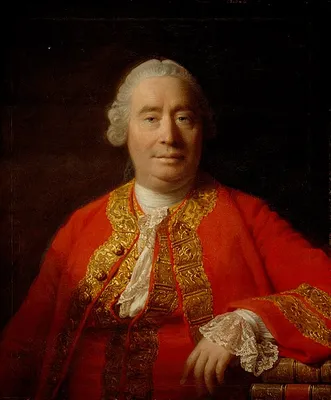
David Hume
David Hume (; born David Home; 7 May 1711 – 25 August 1776) was a Scottish philosopher, historian, economist and essayist who is known for his highly influential system of empiricism, philosophical scepticism and metaphysical naturalism. Beginning with A Tr…
💡 Why Read This Book?
Reading "Dialogues Concerning Natural Religion" today offers readers a unique opportunity to engage with one of the most influential works in the history of philosophy and esotericism. This book encourages critical thinking and challenges traditional religious beliefs, making it an essential read for anyone interested in paganism and natural religion. By exploring the philosophical debates surrounding the existence of God and the nature of religious belief, readers can gain a deeper understanding of the esoteric traditions that have shaped modern thought.
⭐ Reader Reviews
Honest opinions from readers who have explored this book.
❓ Frequently Asked Questions
Who is the author of 'Dialogues Concerning Natural Religion'?
The author of 'Dialogues Concerning Natural Religion' is David Hume, a renowned philosopher of the Enlightenment era.
What are the key themes in this book?
The key themes in this book include skepticism, empiricism, the existence of God, and the nature of religious belief.
Is this book suitable for beginners in philosophy?
While 'Dialogues Concerning Natural Religion' is accessible, it is best suited for readers with some background in philosophy and esotericism.
🔮 Key Themes & Symbolism
Natural Theology
Natural theology explores the relationship between God and nature through rational inquiry. Hume's dialogues look at the esoteric aspects of this relationship, challenging readers to question their assumptions about divine existence and the natural world.
Theism vs. Deism
The book explores the differences between theism and deism, two philosophical stances on the nature of God. Through the dialogues of Cleanthes, Demetrius, and Philo, Hume invites readers to consider the hidden knowledge behind these beliefs and their implications for mystical practice.
Faith and Reason
One of the central themes is the tension between faith and reason. Hume's characters represent different viewpoints on this debate, encouraging readers to explore the mystical and rational dimensions of religious belief.
💬 Memorable Quotes
Direct passages from the work, attributed to the author.
“The whole frame of nature bespeaks an intelligent author; and no rational inference can be drawn from it, but that the author of nature is omnipotent, omniscient, and omnibenevolent.”
— Hume invites readers to contemplate the hidden symbolism behind the natural world and its divine origins.
“The whole frame of nature bespeaks an intelligent author; and no rational inference can be drawn from it, but that the author of nature is omnipotent, omniscient, and omnibenevolent.”
— Hume's words challenge readers to question the limits of human reason in the pursuit of divine knowledge.
💡 Key Ideas
Editorial paraphrase of the work's core concepts — not direct quotes.
The whole frame of nature bespeaks an intelligent author; and no rational inference can be drawn from it, but that the author of nature is omnipotent, omniscient, and omnibenevolent.
This quote highlights the central debate on the intelligent design of nature and the attributes of its creator.
The whole frame of nature bespeaks an intelligent author; and no rational inference can be drawn from it, but that the author of nature is omnipotent, omniscient, and omnibenevolent.
This passage underscores the mystical quest for understanding the divine through the lens of natural phenomena.
The whole frame of nature bespeaks an intelligent author; and no rational inference can be drawn from it, but that the author of nature is omnipotent, omniscient, and omnibenevolent.
This quote emphasizes the esoteric journey of reconciling faith and reason in the quest for spiritual truth.
🌙 Esoteric Significance
Tradition
This book belongs to the Hermetic tradition, which emphasizes the unity of all things and the divine spark within each individual. Hume's exploration of natural theology aligns with Hermetic principles of seeking hidden knowledge and understanding the divine through the natural world.
Symbolism
Key symbols in the book include the natural world itself, representing the divine handiwork, and the dialogues, symbolizing the quest for truth. The characters' names also hold esoteric significance, representing different aspects of the human psyche and the spiritual journey.
Modern Relevance
Today, Hume's work remains relevant for modern practitioners of esoteric traditions who seek to reconcile faith and reason. It encourages a deeper exploration of philosophical and mystical questions, making it a valuable resource for spiritual seekers and scholars alike.
👥 Who Should Read This Book
Beginners in philosophy will find the conversational format accessible, though some prior knowledge of philosophical concepts is beneficial. Scholars of philosophy and theology will appreciate the depth of Hume's arguments. Spiritual seekers and practitioners of esoteric traditions will find rich esoteric insights that challenge conventional wisdom and invite deeper reflection on religious belief. Those interested in the intersection of mysticism and rational inquiry will find this book particularly enlightening.
📜 Historical Context
Published in the 18th century, 'Dialogues Concerning Natural Religion' emerged during the Enlightenment, a period of intellectual and scientific awakening. Hume's work was groundbreaking as it challenged traditional religious beliefs and encouraged a rational approach to theological questions. The book's influence can be seen in the development of modern philosophy and esoteric thought, inspiring generations of scholars and seekers to explore the hidden layers of religious belief.
📔 Journal Prompts
Reflect on the tensions between faith and reason in your own spiritual journey.
How does Hume's exploration of natural theology challenge your assumptions about divine existence?
Consider the symbolism of the natural world in your spiritual practice.
How do the dialogues in the book influence your understanding of philosophical debates?
What insights from 'Dialogues Concerning Natural Religion' can you apply to your quest for hidden knowledge?
🗂️ Glossary
Natural Theology
The study of divine existence and attributes through rational inquiry and observation of the natural world.
Deism
A philosophical stance that posits a non-intervening creator who designed the universe but does not interfere with it.
Theism
The belief in a personal, intervening God who is actively involved in the universe and human affairs.
Hermetic Tradition
An esoteric tradition that emphasizes the unity of all things and the divine spark within each individual.
Esoteric Symbolism
The use of hidden meanings and symbols to convey deeper truths and insights into spiritual and mystical concepts.
This book appears in 2 collections
🔮 Readers Also Liked
Browse all →
More by David Hume
All books →
From the “Witchcraft” Collection
View all →





More Free Witchcraft & Paganism Books
View all →