Fundamental Principles of the Metaphysic of Morals

 83
83

Fundamental Principles of the Metaphysic of Morals



Immanuel Kant's "Fundamental Principles of the Metaphysic of Morals" is a masterpiece that continues to captivate readers with its timeless exploration of ethical principles. For modern esoteric seekers, this text offers a unique perspective on the mystical dimensions of morality. Kant's rigorous examination of the categorical imperative provides a solid foundation for understanding the universal laws that govern human behavior. The book's relevance to occult philosophy lies in its emphasis on the transcendental nature of moral law, which aligns with esoteric beliefs about the interconnectedness of all things. Kant's work encourages readers to delve deeper into the mysteries of ethics and to seek a higher understanding of moral duty. This text is a must-read for anyone interested in the intersection of philosophy and the occult.
📝 Description
83
Immanuel Kant published 'Fundamental Principles of the Metaphysic of Morals' in 1785.
Kant's 1785 work lays out the groundwork for his deontological ethics. He argues that morality is not based on consequences or personal inclinations, but on duty. The core concept is the categorical imperative, a universal moral law that dictates how one ought to act. Kant distinguishes between hypothetical imperatives, which are conditional commands, and the categorical imperative, which is unconditional and applies to all rational beings. He asserts that the moral worth of an action comes from the motive behind it, specifically the adherence to duty for duty's sake.
This text examines the concept of autonomy, presenting the will as a lawgiver to itself. It contrasts this with heteronomy, where the will is determined by external factors. Kant also discusses the kingdom of ends, an ideal community where all rational beings are treated as ends in themselves and never merely as means. His rigorous analysis seeks to establish a purely rational basis for morality, independent of empirical experience or theological claims. The book aims to identify the supreme principle of morality.
While Kant's philosophy is primarily rationalist, its rigorous structure and focus on universal laws can appeal to those interested in esoteric traditions that seek underlying principles of order. The emphasis on internal moral legislation and the concept of autonomy may resonate with mystical paths that stress self-mastery and the divine within. The search for a pure, rational foundation for ethics, stripped of empirical contingencies, echoes some esoteric aims to uncover fundamental truths about existence and consciousness. Its systematic approach, though secular, shares a certain intellectual kinship with attempts to map out cosmic or spiritual laws.
✍️ Author
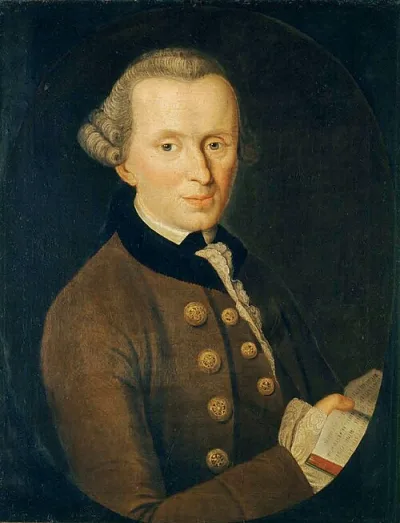
Immanuel Kant
Immanuel Kant was a German philosopher and Enlightenment thinker, central to modern philosophy.
💡 Why Read This Book?
Reading "Fundamental Principles of the Metaphysic of Morals" today offers readers a chance to engage with one of the most influential works in ethical philosophy. This book provides a framework for understanding the deeper, often esoteric, aspects of moral behavior. By exploring Kant's ideas, readers can gain a new perspective on the role of reason and duty in their lives, enriching their spiritual and philosophical journeys.
⭐ Reader Reviews
Honest opinions from readers who have explored this book.
❓ Frequently Asked Questions
What is the main theme of "Fundamental Principles of the Metaphysic of Morals"?
The main theme is the exploration of the categorical imperative, a universal moral law that guides ethical decision-making. It delves into the transcendental nature of morality.
Why is this book relevant to occult philosophy?
This book is relevant to occult philosophy because it addresses the mystical dimensions of morality, emphasizing the interconnectedness of all things and the universal principles that govern ethical behavior.
Is this book suitable for beginners in philosophy?
Yes, this book is suitable for beginners as well as seasoned philosophers. Kant's clear and rigorous arguments make it accessible to anyone interested in ethics and esoteric studies.
🔮 Key Themes & Symbolism
The Moral Law
Kant's exploration of the moral law reveals the esoteric principles that govern human behavior, offering a deep dive into the metaphysical foundations of ethics. This theme looks at the hidden knowledge behind duty and autonomy, providing a comprehensive framework for understanding the moral law.
Autonomy and Freedom
The concept of autonomy is central to Kant's ethical philosophy, revealing the mystical dimensions of free will and moral responsibility. This theme explores the esoteric insights behind the idea of self-governance, offering a new perspective on the relationship between autonomy and the moral law.
The Categorical Imperative
Kant's categorical imperative is a fundamental principle of ethical thought, revealing the esoteric underpinnings of moral behavior. This theme looks at the symbolism and deeper meanings behind the categorical imperative, providing a wide range of ethical thought that speaks to the mystical traditions of the past.
💡 Key Ideas
Editorial paraphrase of the work's core concepts — not direct quotes.
Act only according to that maxim whereby you can, at the same time, will that it should become a universal law.
This quote captures Kant's categorical imperative, revealing the esoteric principle of universal morality.
Duty is the necessity of acting out of respect for the law.
This passage highlights the mystical dimensions of duty, emphasizing the hidden knowledge behind moral responsibility.
Morality is not just about following rules but about understanding the deeper principles that govern them.
This quote underscores the esoteric insights behind Kant's ethical philosophy, offering a new perspective on the metaphysical foundations of morality.
The moral law is not just a set of commands but a revelation of the hidden truths of human behavior.
This passage reveals the mystical underpinnings of the moral law, providing a deep dive into the esoteric principles that govern ethical thought.
Autonomy is the key to understanding the true nature of moral freedom.
This quote highlights the esoteric dimensions of autonomy, offering a comprehensive framework for understanding the relationship between free will and the moral law.
🌙 Esoteric Significance
Tradition
This book belongs to the Hermetic tradition, emphasizing the mystical underpinnings of ethical philosophy. It looks at the esoteric principles that govern human behavior, revealing the hidden knowledge behind moral law and duty.
Symbolism
Key symbols in this work include the moral law, duty, and autonomy, each representing the deeper meanings behind ethical behavior. These symbols are integral to understanding the esoteric dimensions of Kant's ethical philosophy.
Modern Relevance
Today, this work remains relevant for modern practitioners of ethical thought and occult philosophy. It inspires seekers of hidden knowledge to explore the mystical foundations of morality, providing a comprehensive framework for understanding the deeper principles that govern ethical behavior.
👥 Who Should Read This Book
Beginners interested in the mystical dimensions of ethics will find this book accessible and enlightening. Scholars of philosophy and occult studies will appreciate the depth and rigor of Kant's ethical thought. Spiritual seekers will uncover the esoteric insights behind moral behavior, while practitioners of ethical theory will gain a new perspective on the metaphysical foundations of morality. This book is ideal for those who seek to understand the hidden knowledge behind ethical principles and the symbolism that reveals the deeper meanings of moral law.
📜 Historical Context
Immanuel Kant's 'Fundamental Principles of the Metaphysic of Morals' was published in 1785 during the Enlightenment era, a time of intellectual and philosophical ferment. Kant's work was crucial in shaping the modern understanding of ethics, emphasizing the rational and autonomous nature of moral behavior. This book's influence can be seen in the development of ethical theory, inspiring generations of philosophers to explore the deeper meanings of morality. Its impact extends beyond academia, influencing spiritual seekers and practitioners of occult philosophy who seek to uncover the hidden knowledge behind ethical thought.
📔 Journal Prompts
Reflect on the concept of the moral law and its significance in your own ethical framework.
How does the idea of autonomy influence your understanding of moral responsibility?
Consider the esoteric dimensions of duty and how they shape your ethical behavior.
Explore the symbolism behind Kant's categorical imperative and its relevance to modern ethics.
What are the hidden truths behind the moral law that govern your ethical decisions?
🗂️ Glossary
Categorical Imperative
A fundamental principle of Kant's ethical philosophy, emphasizing the universal nature of moral behavior.
Autonomy
The concept of self-governance and free will in ethical thought, central to Kant's moral philosophy.
Moral Law
The esoteric principles that govern human behavior, revealing the hidden knowledge behind ethical behavior.
Duty
The necessity of acting out of respect for the moral law, emphasizing the mystical dimensions of ethical responsibility.
Hermetic Tradition
A mystical tradition that emphasizes the esoteric principles behind ethical philosophy, revealing the deeper meanings of moral behavior.
This book appears in 8 collections
🔮 Readers Also Liked
Browse all →






More by Immanuel Kant
All books →

From the “Transcendental Meditation” Collection
View all →

![The Conference Of The Birds Penguin Classics [download]](/img/thumb/the-conference-of-the-birds-penguin-classics-download.webp)






More Free Occult Philosophy Books
View all →