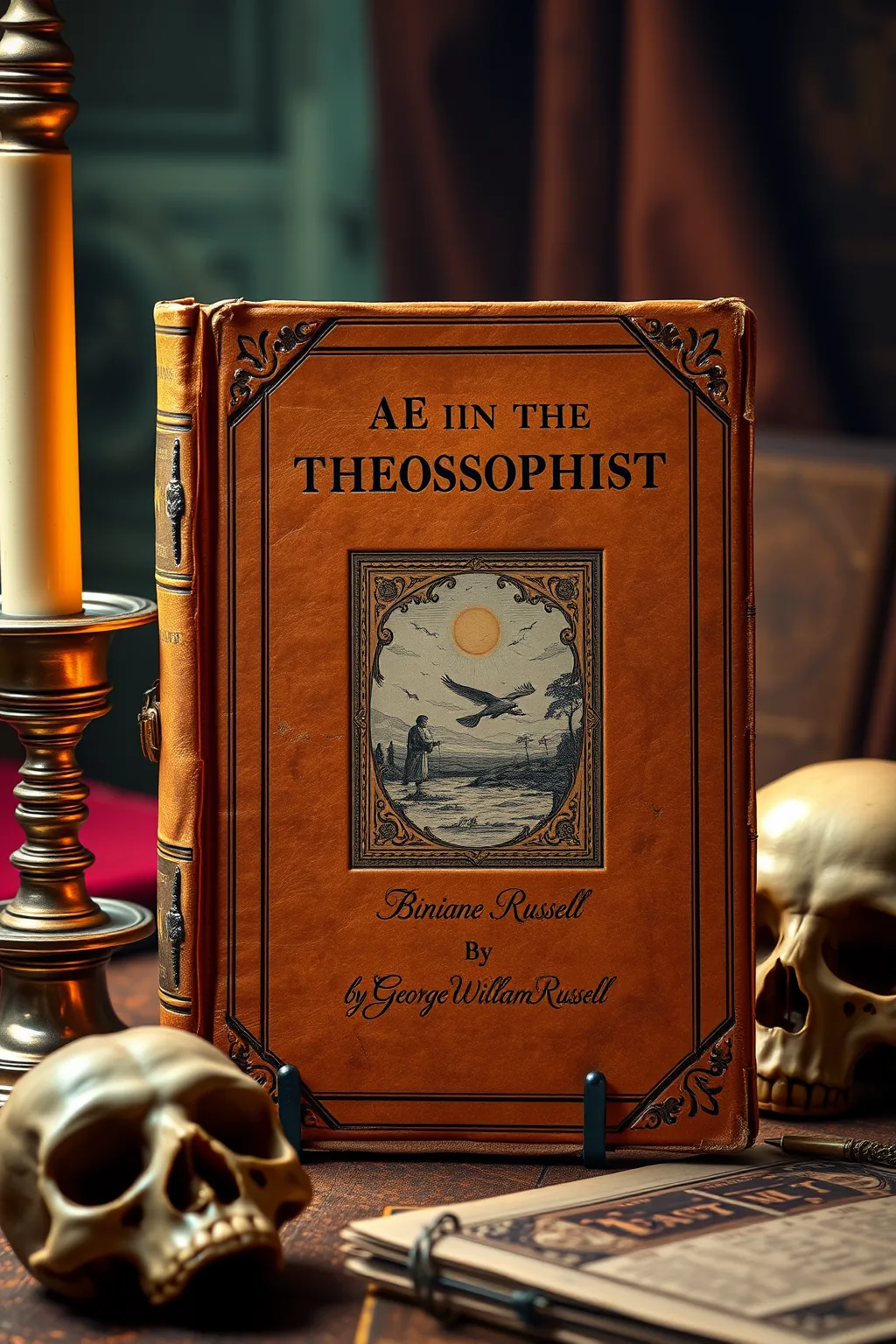
AE in the Irish Theosophist
 75
75

AE in the Irish Theosophist


AE in the Irish Theosophist is a treasure trove of esoteric wisdom that continues to resonate with modern seekers of spiritual truth. George William Russell's profound insights into Theosophy and Anthroposophy are presented with a lyrical beauty that makes the text both accessible and deeply moving. The book's exploration of the inner self and the nature of reality is particularly valuable for those interested in the occult and esoteric traditions. Russell's writings offer a unique blend of artistic expression and spiritual depth, making this book an essential read for anyone seeking to deepen their understanding of mystical traditions. The historical context of the book, set against the backdrop of early 20th-century Ireland, adds an extra layer of richness to the text, providing readers with a glimpse into the spiritual landscape of the time. Overall, AE in the Irish Theosophist is a must-read for esoteric seekers and scholars alike.
📝 Description
75
George William Russell's 'AE in the Irish Theosophist' collects writings from 1900 to 1930.
This volume gathers a range of writings by George William Russell, known by his pseudonym AE. It includes poetry, essays, personal letters, and public speeches, all reflecting his engagement with Theosophical ideas. Russell's work here touches on themes of spiritual insight, symbolism, and the connection between the material and spiritual worlds.
The prose and poetry aim to evoke a sense of mystical wonder, drawing readers into a contemplative space. The collection attempts to connect older philosophical traditions with contemporary thinking, suggesting a way to understand inner divinity. It serves as a record of Russell's personal spiritual inquiries and his broader engagement with esoteric thought during the early 20th century.
George William Russell was a prominent figure in the Irish Theosophical Society and a contemporary of W.B. Yeats. His writings reflect the period's interest in Eastern religions, occultism, and spiritual philosophy, influenced by figures like H.P. Blavatsky. This collection demonstrates how Theosophical principles were adapted and interpreted within an Irish cultural context, blending philosophical inquiry with artistic expression.
✍️ Author
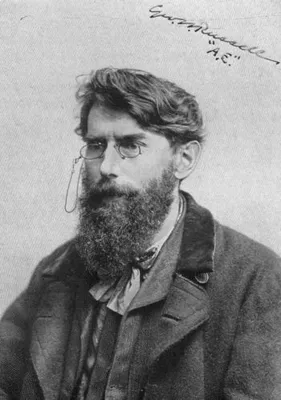
George William Russell
George William Russell (10 April 1867 – 17 July 1935), who wrote with the pseudonym Æ (often written AE or A. E.
💡 Why Read This Book?
Reading AE in the Irish Theosophist today offers readers a rare opportunity to engage with the esoteric wisdom of George William Russell. This book provides deep insights into Theosophy and Anthroposophy, making it an invaluable resource for those interested in spiritual and occult traditions. By exploring the inner self and the nature of reality, Russell's writings challenge readers to think deeply about their own spiritual journeys. Additionally, the book's historical context offers a unique perspective on the spiritual landscape of early 20th-century Ireland, enriching the reading experience.
⭐ Reader Reviews
Honest opinions from readers who have explored this book.
❓ Frequently Asked Questions
Who is George William Russell?
George William Russell, also known by his pen name AE, was an Irish artist, writer, and mystic. He was a prominent figure in the Theosophical and Anthroposophical movements.
What genres does this book cover?
AE in the Irish Theosophist spans several genres, including poetry, essays, letters, and speeches, all focused on the themes of Theosophy and Anthroposophy.
Is this book suitable for beginners in esoteric studies?
Yes, while the book delves into complex esoteric themes, Russell's lyrical writing style makes it accessible for both beginners and experienced readers in the field.
🔮 Key Themes & Symbolism
Theosophical Principles
Russell examines the core principles of Theosophy, offering a deep dive into the mystical and esoteric aspects of this ancient wisdom. He explores the interconnectedness of all things, the divine spark within each individual, and the path to spiritual enlightenment.
Symbolism and Hidden Knowledge
The book is rich in symbolism, with each piece of poetry, essay, letter, and speech containing layers of hidden knowledge. Russell's use of symbolism invites readers to look beyond the surface and discover the deeper meanings within.
Spiritual Enlightenment
One of the central themes is the journey towards spiritual enlightenment. Russell provides insights and guidance on how to achieve a deeper understanding of the divine and one's place in the universe, making this a valuable resource for spiritual seekers.
💬 Memorable Quotes
Direct passages from the work, attributed to the author.
“The veil between the material and the spiritual is thin.”
— Russell's exploration of the thin veil between worlds highlights the interconnectedness of all things and the potential for spiritual awakening.
“The divine within oneself is the key to understanding the universe.”
— Russell's emphasis on the divine within underscores the importance of self-discovery and spiritual growth in the quest for knowledge.
💡 Key Ideas
Editorial paraphrase of the work's core concepts — not direct quotes.
The soul is a divine spark that seeks to return to its source.
This quote underscores the Theosophical belief in the divine nature of the soul and its journey towards spiritual enlightenment.
Hidden knowledge lies beneath the surface of reality.
This quote emphasizes the esoteric nature of Russell's work, inviting readers to delve deeper into the mysteries of existence.
The path to enlightenment is a journey of the soul.
This quote highlights the spiritual journey that Russell guides readers through, offering insights and guidance on the path to enlightenment.
🌙 Esoteric Significance
Tradition
This book belongs to the Theosophical tradition, which emphasizes the exploration of hidden knowledge and the divine within. Russell's work is a blend of Hermetic and Gnostic principles, offering a unique perspective on spiritual enlightenment.
Symbolism
Key symbols in the book include the divine spark, the veil between worlds, and the journey of the soul. These symbols represent the interconnectedness of all things and the potential for spiritual awakening.
Modern Relevance
The themes and insights in 'AE in the Irish Theosophist' remain relevant today, particularly for modern practitioners of Theosophy and related mystical arts. The book's exploration of hidden knowledge and symbolism continues to inspire seekers of spiritual enlightenment.
👥 Who Should Read This Book
Beginners in Theosophy will find this book challenging but rewarding, as it offers useful insights into esoteric principles. Scholars of Theosophy and related fields will appreciate the detailed symbolism and philosophical depth. Spiritual seekers will benefit from the guidance on the path to enlightenment, while practitioners of the occult and mystical arts will find valuable resources for their spiritual journeys.
📜 Historical Context
Published in an era of spiritual awakening and esoteric exploration, 'AE in the Irish Theosophist' reflects the growing interest in Theosophy and related mystical traditions. George William Russell's work was influential in bridging ancient wisdom with modern thought, providing a pathway for seekers of spiritual enlightenment. The book's exploration of hidden knowledge and symbolism resonated with readers of the time, making it a significant contribution to the literary and spiritual range of the era.
📔 Journal Prompts
Reflect on the concept of the divine spark within yourself. How does this idea influence your spiritual journey?
Consider the symbolism in Russell's work. What hidden meanings do you uncover in his poetry and essays?
Explore the idea of the veil between the material and the spiritual. How does this concept apply to your own experiences?
What steps can you take to deepen your understanding of Theosophical principles in your daily life?
How does Russell's exploration of spiritual enlightenment resonate with your own quest for knowledge and enlightenment?
🗂️ Glossary
Theosophy
A philosophical and religious movement that seeks to understand the divine and the mysteries of existence through hidden knowledge and spiritual enlightenment.
Divine Spark
The Theosophical belief that each individual contains a spark of the divine, which seeks to return to its source through spiritual growth and enlightenment.
Symbolism
The use of symbols to represent abstract ideas or concepts, often found in mystical and esoteric literature.
Spiritual Enlightenment
The process of achieving a deeper understanding of the divine and one's place in the universe, often through spiritual practices and exploration of hidden knowledge.
Esoteric
Relating to knowledge that is intended for a small group of people with specialized knowledge or interest, often found in mystical and occult traditions.
This book appears in 2 collections
🔮 Readers Also Liked
Browse all →
More by George William Russell
All books →

From the “Theosophy” Collection
View all →



More Free Theosophy & Anthroposophy Books
View all →