What is Transcendental Meditation?
Transcendental Meditation (TM) is a specific form of silent mantra meditation developed by Maharishi Mahesh Yogi. It is practiced for 15-20 minutes twice a day, sitting comfortably with eyes closed. Unlike concentration or contemplation techniques, TM involves the effortless use of a mantra, allowing the mind to settle down and experience a state of restful alertness. The technique aims to reduce stress, enhance clarity, and foster personal growth.
Best Books for Complete Beginners
For those new to Transcendental Meditation, starting with accessible explanations is key. While no TM-specific beginner guides are in the catalog, related philosophical texts can offer initial context. Understanding the origins of meditative practices can be aided by exploring foundational Eastern philosophies. Books that clarify spiritual or mind-related concepts can also serve as a gentle introduction to the broader subject matter.
Intermediate Reading
Moving beyond introductory concepts, intermediate readers can explore texts that explore the philosophical and psychological dimensions of meditation and consciousness. Works that discuss the nature of the soul, the stars, or ancient religious practices can provide a richer understanding of the context from which TM emerged. These books encourage deeper contemplation of the mind-body connection and spiritual development.
Classical / Advanced Texts
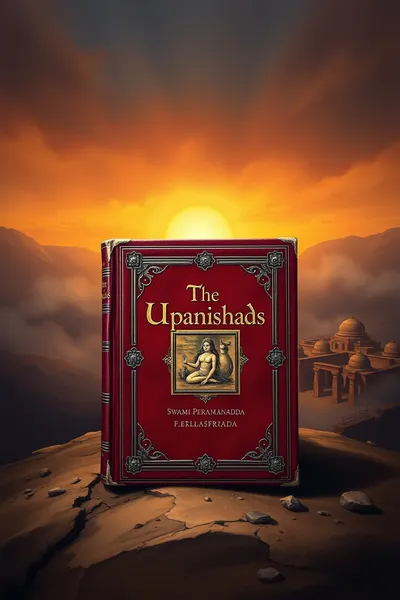
Advanced study of Transcendental Meditation involves engaging with primary philosophical and spiritual texts that form its historical and conceptual bedrock. The Upanishads, as a core component of Vedic literature, offer useful insights into the nature of reality and consciousness that are central to TM's philosophy. Exploring these ancient scriptures provides a direct connection to the source material.
Reading Order — Step by Step
Begin your journey with foundational philosophical concepts. Month 1 could involve exploring general ideas on spirituality and the mind, perhaps through texts like Bulfinch's Mythology or general philosophy. Month 2 can focus on primary spiritual texts such as The Upanishads by Swami Paramananda to grasp core concepts. Month 3 and beyond can involve deeper dives into related esoteric or psychological texts, and potentially comparative studies of different belief systems.
Frequently Asked Questions
Which Transcendental Meditation book should I read first?
For a foundational understanding, begin with texts that explore ancient philosophies and spiritual concepts, such as Bulfinch's Mythology or The Vital Message, before diving into primary spiritual scriptures.
Is Transcendental Meditation religious?
Transcendental Meditation is presented as a secular technique, not a religion. While its roots are in the Vedic tradition, the practice itself focuses on mental development and stress reduction without requiring adherence to any religious dogma.
What is the difference between TM and other meditation types?
TM specifically uses a personal mantra and emphasizes effortless thinking, allowing the mind to settle naturally. Other types might involve concentration, visualization, or mindfulness of breath.
Can I learn TM from a book?
While books can provide context and philosophical understanding, learning the TM technique itself typically requires instruction from a certified TM teacher to ensure proper practice.
What is the core philosophy behind Transcendental Meditation?
The core philosophy draws from Vedic traditions, emphasizing the inherent potential of consciousness and the benefits of accessing deeper levels of awareness for well-being and self-realization.
Are there specific benefits to practicing TM?
Proponents report benefits such as reduced stress and anxiety, improved focus and clarity, enhanced creativity, and greater overall well-being. Scientific research has explored these effects.