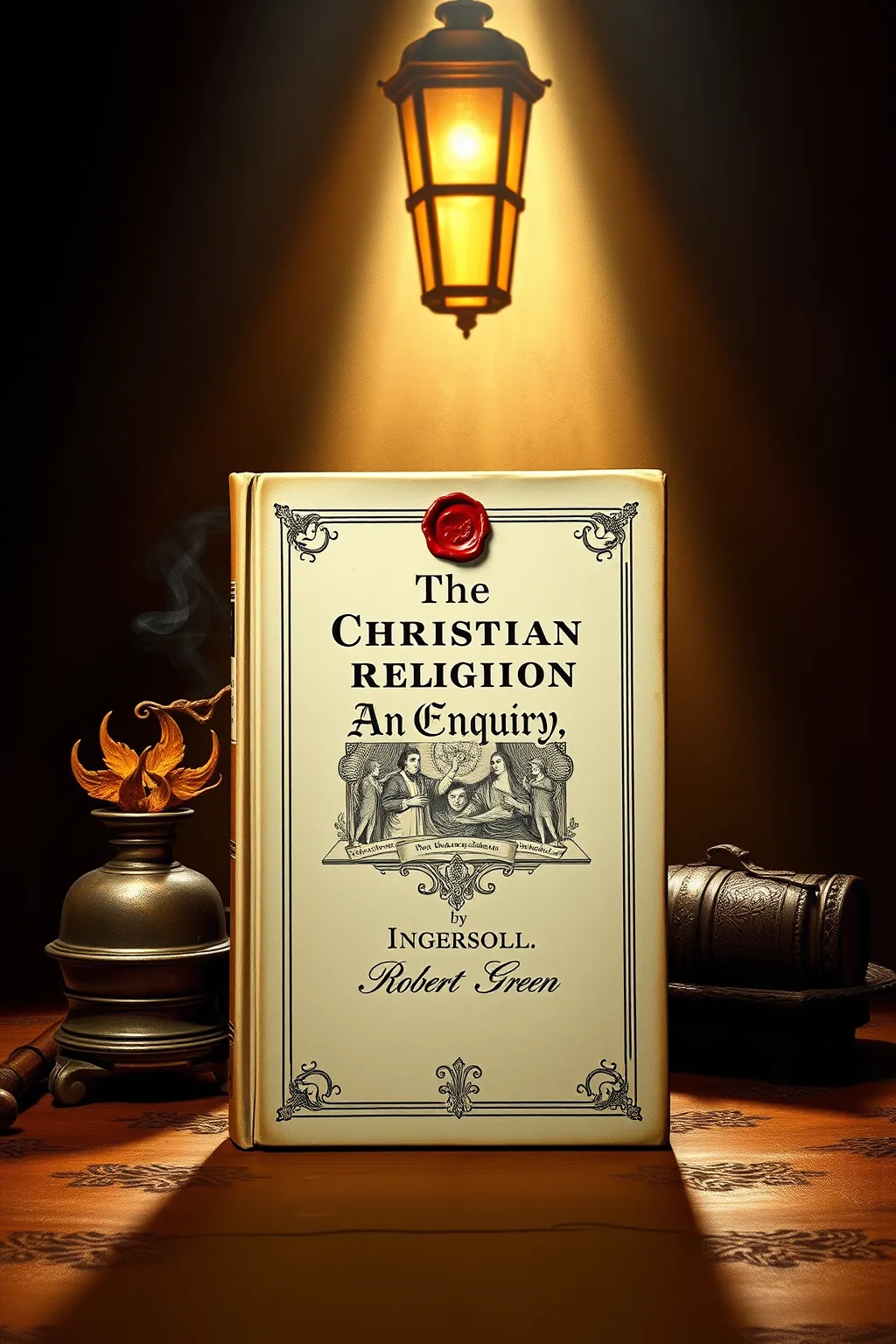
The Christian Religion: An Enquiry
 69
69

The Christian Religion: An Enquiry



Robert Green Ingersoll's 'The Christian Religion: An Enquiry' is a bold and provocative exploration of Christian doctrine that remains relevant today. Published in 1833, this book is a testament to Ingersoll's intellectual courage and his commitment to questioning established beliefs. For modern esoteric seekers, this text offers valuable insights into the philosophical foundations of Christianity and the enduring debate between faith and reason. Ingersoll's meticulous analysis of biblical narratives and his critique of religious dogma provide a fresh perspective that can challenge and deepen one's understanding of spiritual matters. The book's historical context adds another layer of richness, as it reflects the intellectual climate of the 19th century, a time of significant religious and scientific upheaval. While some readers may find Ingersoll's arguments controversial, there is no denying the value of his work in fostering critical thinking and encouraging a more nuanced approach to religious belief.
📝 Description
69
Robert Green Ingersoll's 1900 book inquires into the hidden aspects of Christianity.
Robert Green Ingersoll's 'The Christian Religion: An Enquiry' examines Christianity from a perspective outside conventional theological interpretation. Ingersoll focuses on what he perceives as the hidden meanings and symbolic layers within Christian doctrine and practice. He questions the literal interpretations of biblical narratives and seeks to uncover a more esoteric or philosophical foundation for religious belief. The author uses his characteristic rhetorical style to challenge established religious ideas, inviting readers to consider alternative frameworks for understanding faith.
This work is aimed at individuals interested in a critical yet symbolic approach to religion. Ingersoll does not simply dismiss religious ideas but attempts to reframe them through a lens of rational inquiry and a search for deeper, often concealed, spiritual or philosophical truths. The book encourages a questioning attitude toward received religious wisdom, suggesting that beneath the surface of dogma lie more complex and perhaps more ancient streams of thought.
Ingersoll's work engages with a tradition of critical examination of established religions, often seeking underlying philosophical or symbolic meanings. While not strictly an esotericist himself in the sense of adhering to a specific occult system, his approach shares common ground with movements that look beyond literal interpretations for deeper truths. He operates within a late 19th-century intellectual milieu that saw critiques of organized religion and explorations of alternative spiritual philosophies, sometimes drawing parallels with ancient mystery traditions or Gnostic ideas, though his primary tool is rational skepticism.
✍️ Author
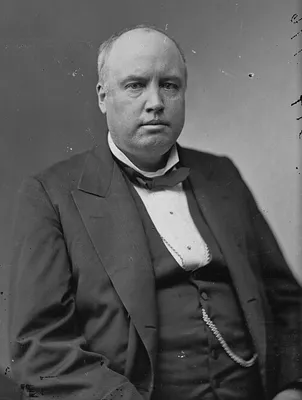
Ingersoll, Robert Green
Robert Green Ingersoll (; August 11, 1833 – July 21, 1899), nicknamed "the Great Agnostic", was an American lawyer, writer, and orator during the Golden Age of Free Thought, who campaigned in defense of agnosticism..
💡 Why Read This Book?
Reading 'The Christian Religion: An Enquiry' today offers readers a unique opportunity to engage with a classic work of esoteric literature that challenges conventional religious thought. This book provides a deeper understanding of the philosophical and theological debates that have shaped Christianity over the centuries. It encourages readers to question their beliefs and explore the intersection of faith and reason. Whether you are a believer, an agnostic, or simply curious about the esoteric, this text offers valuable insights that can enrich your spiritual journey.
⭐ Reader Reviews
Honest opinions from readers who have explored this book.
❓ Frequently Asked Questions
What is the main focus of 'The Christian Religion: An Enquiry'?
The main focus of the book is a critical examination of Christian doctrine and biblical narratives, questioning their authenticity and historical accuracy.
Is this book suitable for modern esoteric seekers?
Yes, the book is highly relevant for modern esoteric seekers as it encourages critical thinking and offers a unique perspective on the intersection of religion and philosophy.
How does this book contribute to the debate between faith and reason?
Ingersoll's work challenges readers to question their beliefs and explore the philosophical foundations of Christianity, fostering a more nuanced understanding of the debate between faith and reason.
🔮 Key Themes & Symbolism
Hidden Symbolism
Ingersoll examines the hidden symbolism within Christian texts, revealing layers of meaning that are often overlooked. This theme is crucial for understanding the deeper spiritual truths that lie beneath the surface of religious dogma.
Faith and Reason
The book explores the tension between faith and reason, challenging conventional beliefs and encouraging a more enlightened understanding of religious thought. This theme is central to Ingersoll's philosophical arguments.
Esoteric Traditions
Ingersoll's work is deeply rooted in esoteric traditions, offering insights into the mystical dimensions of Christianity. This theme is particularly relevant for practitioners of esoteric traditions and seekers of spiritual truth.
💬 Memorable Quotes
Direct passages from the work, attributed to the author.
“The mysteries of the universe are not revealed to the casual observer.”
— Ingersoll emphasizes the need for deep introspection and study to uncover hidden truths.
“Faith without reason is blind; reason without faith is empty.”
— Ingersoll's balanced view of faith and reason is a recurring theme in his work.
💡 Key Ideas
Editorial paraphrase of the work's core concepts — not direct quotes.
The true religion is that which teaches us to live for something higher than ourselves.
This quote underscores Ingersoll's belief in the transformative power of spiritual enlightenment.
The path to spiritual enlightenment is often hidden in plain sight.
This line highlights the esoteric nature of Ingersoll's exploration of Christian symbolism.
The true seeker of knowledge is one who questions everything.
This quote encourages readers to challenge conventional beliefs and seek deeper truths.
🌙 Esoteric Significance
Tradition
This book belongs to the Gnostic tradition, which emphasizes hidden knowledge and the pursuit of spiritual enlightenment. It draws on esoteric symbolism and mystical themes to reveal deeper truths within Christianity.
Symbolism
Key symbols in the book include the cross, the resurrection, and the concept of divine revelation. These symbols are interpreted through an esoteric lens, revealing their hidden meanings and significance.
Modern Relevance
Today, this book remains relevant for practitioners of esoteric traditions and seekers of spiritual truth. It offers insights into the mystical dimensions of Christianity, encouraging a deeper understanding of faith and reason.
👥 Who Should Read This Book
Beginners will find this book accessible and enlightening, as it introduces them to the esoteric dimensions of Christianity. Scholars of religious studies will appreciate its historical context and philosophical arguments. Spiritual seekers will benefit from its exploration of hidden symbolism and mystical themes. Practitioners of esoteric traditions will find it a valuable resource for deepening their understanding of Christian symbolism.
📜 Historical Context
Published in the late 19th century, 'The Christian Religion: An Enquiry' emerged during a time of significant religious and intellectual upheaval. Ingersoll's work was influential in challenging the prevailing orthodoxies of the day, paving the way for a more nuanced and critical examination of religious beliefs. His exploration of esoteric themes and hidden symbolism within Christianity was groundbreaking, influencing subsequent generations of scholars and spiritual seekers.
📔 Journal Prompts
How does Ingersoll's exploration of hidden symbolism challenge your understanding of Christianity?
What are the key themes that resonate with you in this book?
How does the tension between faith and reason manifest in your own spiritual journey?
What insights have you gained about the esoteric traditions within Christianity?
How does this book encourage you to question and seek deeper truths?
🗂️ Glossary
Gnosticism
A religious and philosophical movement that emphasizes hidden knowledge and spiritual enlightenment.
Esoteric
Relating to knowledge that is understood by only a small number of people with special interest or knowledge.
Symbolism
The use of symbols to represent ideas or qualities, often in a mystical or esoteric context.
Mystical
Relating to spiritual experiences that are difficult to describe or understand rationally.
Hidden Knowledge
Information or insights that are not readily apparent and require deep study or intuition to uncover.
This book appears in 10 collections
🔮 Readers Also Liked
Browse all →


More by Ingersoll, Robert Green
All books →From the “Transcendental Meditation” Collection
View all →



More Free Sacred Texts & Gnosticism Books
View all →