Things to Come
 71
71

Things to Come
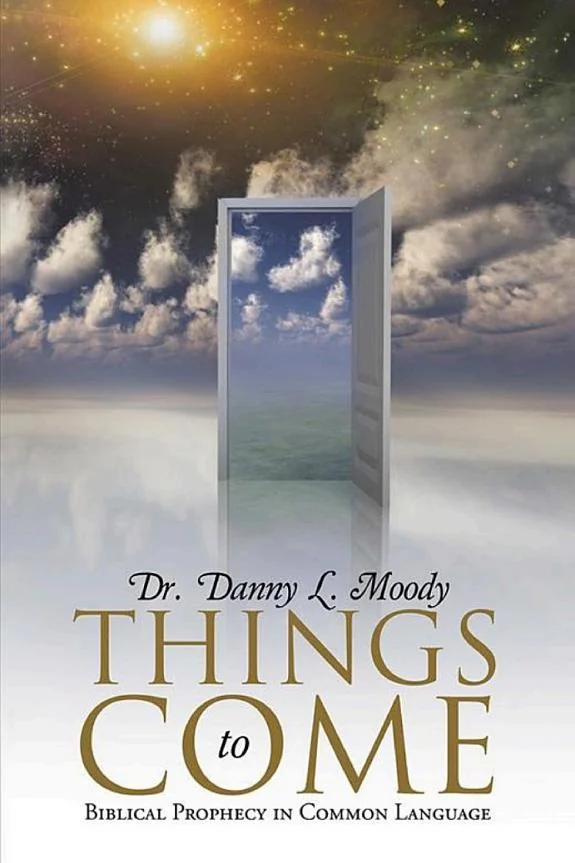
Dr. Danny L. Moody’s "Things to Come" approaches the weighty subject of eschatology with a commendable directness, eschewing excessive theological terminology as promised. The author’s strength lies in his systematic organization of biblical passages related to the end times, making complex prophecies more digestible. For instance, the breakdown of prophecies concerning specific geographical locations offers a concrete anchor for readers. However, the work occasionally feels more like a catalog of predictions than a deeply interpretive study. While it meticulously lists events and personalities, the exploration of the underlying spiritual forces, though present, could benefit from greater depth. The 2015 publication date situates it within a contemporary landscape of prophetic literature, yet its analysis feels somewhat insulated from broader academic discussions on apocalyptic literature. Ultimately, "Things to Come" serves as a clear, if somewhat conventional, guide to biblical end-times scenarios.
📝 Description
71
Dr. Danny L. Moody's 2015 book, "Things to Come," systematically examines biblical prophecy.
Published in 2015, "Things to Come" by Dr. Danny L. Moody offers a structured look at biblical prophecy concerning the end times. The book details predicted events, figures, and locations, both in the physical world and the cosmos. It also discusses the spiritual and material forces expected during the final age of humanity. This work is for those who want a clear grasp of biblical eschatology without dense academic language. It is also useful for students of comparative religion or anyone wanting to understand specific prophetic passages more deeply. The book was written during a time of ongoing interest in prophecy, particularly after major millennial shifts and global uncertainties. Moody's approach seeks clarity, aiming to address a need for more accessible theological writing on the subject. It operates within the established Christian tradition of studying eschatology, which has seen considerable scholarly output since the mid-20th century.
This book engages with Christian eschatology, a tradition focused on 'last things.' It examines biblical texts to construct a framework for understanding future events as described in scripture. The work considers the interplay between divine will and human action in these prophesied occurrences. Moody's goal is to provide a coherent understanding of these concepts, making them accessible to a wider audience interested in the theological implications of end-times narratives.
💡 Why Read This Book?
• Gain a structured overview of biblical end-times prophecy, learning about the sequence of events and personalities detailed in the book's systematic analysis of eschatology. • Understand the spiritual and physical forces predicted to be prevalent in the final days, as outlined in the work's examination of motivating factors. • Explore geographical locations, both earthly and heavenly, that play a role in prophetic narratives, as specifically identified within the book's detailed breakdown.
⭐ Reader Reviews
Honest opinions from readers who have explored this book.
❓ Frequently Asked Questions
What is the primary theological focus of 'Things to Come'?
The primary theological focus is eschatology, which is the study of 'last things' or end-times events as described in the Bible. Dr. Moody aims to explain biblical prophecies concerning the final days of human existence.
Does 'Things to Come' use a lot of complex theological jargon?
No, the book is designed to minimize complex theological terms. Its aim is to make the study of last things accessible to a broader audience, focusing on clarity and ease of understanding.
What types of information does the book provide about the last days?
It provides an overview of predicted events, key personalities, significant geographical locations (both on Earth and in heaven), and the prevalent physical and spiritual forces expected during the final era.
Who is the author of 'Things to Come'?
The author is Dr. Danny L. Moody. The book was first published on August 18, 2015.
Is 'Things to Come' based on a specific religious text?
Yes, the book's content is based on what the Bible teaches concerning the last days. It interprets biblical prophecies and narratives related to end-times scenarios.
What is the main goal of Dr. Moody's writing in this book?
The main goal is to offer a clear and organized explanation of biblical teachings about the end times, making the complex subject of eschatology understandable to the average reader.
🔮 Key Themes & Symbolism
Biblical Eschatology
The core of 'Things to Come' lies in its systematic exploration of eschatology, the theological study of end-times. Dr. Moody breaks down biblical prophecies to outline a sequence of future events, including significant occurrences, the roles of various personalities, and the spiritual and physical dynamics expected to dominate the final era of human history. This theme focuses on understanding divine timelines and prophetic fulfillment as presented in scripture.
Prophetic Personalities and Locations
A significant aspect of the book involves identifying and detailing the key figures and geographical settings that feature in biblical prophecies about the end times. This includes not only earthly locations but also references to celestial realms. By pinpointing these elements, Moody aims to provide concrete anchors for the often abstract nature of prophetic visions, grounding them in tangible (or divinely described) realities.
Spiritual and Physical Forces
Moody examines the prevalent spiritual and physical forces anticipated during the final days. This theme studies the nature of conflicts, the influence of divine and opposing spiritual powers, and the material conditions that will characterize the end of the current age. Understanding these forces is presented as crucial for comprehending the overall narrative of last things.
Accessibility in Theology
A deliberate aim of 'Things to Come' is to present complex theological concepts, specifically eschatology, in an accessible manner. The author's commitment to minimizing jargon and structuring information clearly is a key theme. This approach seeks to explain end-times studies for a wider audience, enabling greater engagement with biblical prophetic texts.
💬 Memorable Quotes
Direct passages from the work, attributed to the author.
“Things to Come gives you an overview of what the Bible teaches concerning last days.”
— This statement clearly articulates the book's purpose: to provide a broad survey of biblical perspectives on the end times, serving as an introductory guide for those interested in the topic.
“Includes events, personalities, geographical locations (both on earth and in heaven).”
— This highlights the comprehensive scope of the book's inquiry into biblical prophecy, indicating that it covers a wide range of elements from the material world to celestial descriptions.
“As well as motivating physical and spiritual forces that will be prevalent during the final days.”
— This points to the book's analysis of the underlying dynamics driving end-times events, suggesting an examination of both tangible circumstances and intangible spiritual influences.
“By design, there are few theological terms in this writing.”
— This emphasizes the author's intentional effort to make the subject matter approachable, signaling a focus on clarity and direct explanation over dense academic discourse.
💡 Key Ideas
Editorial paraphrase of the work's core concepts — not direct quotes.
Theological term for what we will be discussing is eschatology, which means the study of last things or days.
This quote directly defines the central subject of the book, eschatology, grounding the reader immediately in the field of study and setting the stage for the detailed exploration of end-times prophecies.
🌙 Esoteric Significance
Tradition
While "Things to Come" is rooted in a Christian biblical framework, its structured analysis of prophecy and future events touches upon broader esoteric interests in divination and understanding cosmic timelines. It engages with the concept of a divinely ordained plan unfolding through specific stages, a theme present in various esoteric traditions that seek hidden knowledge about the universe's ultimate destiny. The work, however, operates primarily within orthodox biblical interpretation rather than explicitly esoteric lineages like Hermeticism or Gnosticism.
Symbolism
The book implicitly engages with symbols present in biblical texts concerning the end times. While not a symbolic exegesis in the typical esoteric sense, it references elements like specific celestial events (e.g., stars falling, sun darkened) and earthly phenomena (e.g., geographical upheavals) that carry symbolic weight within prophetic literature, representing divine judgment or transformative change.
Modern Relevance
Contemporary readers interested in comparative religious studies or those seeking to understand the influence of biblical prophecy on modern belief systems might find "Things to Come" relevant. Its accessible format makes it a potential starting point for individuals exploring how end-times narratives continue to shape theological discourse and impact communities today, serving as a reference for foundational biblical eschatological concepts.
👥 Who Should Read This Book
• Individuals new to biblical eschatology seeking a clear, foundational overview of end-times prophecies as presented in scripture. • Bible study groups or theological students desiring a structured resource that simplifies complex prophetic passages and concepts. • Readers interested in comparative religious studies who wish to understand a specific Christian perspective on future events and divine timelines.
📜 Historical Context
Published in August 2015, Dr. Danny L. Moody's "Things to Come" entered a landscape where interest in biblical prophecy remained consistent, particularly amplified by the approaching mid-21st century. The book’s approach, aiming for clarity and a reduction in specialized theological vocabulary, can be seen as a response to the often dense and academic nature of eschatological discourse prevalent in theological circles. It positions itself as an accessible guide, implicitly contrasting with more technical scholarly works. While not directly engaging with specific contemporary prophetic interpretations prevalent in the early 2010s, the work is part of a long-standing tradition of Christian eschatological study that dates back centuries. Its publication year places it after significant events like the Y2K scare and during a period of global geopolitical shifts, which often fuel public interest in end-times narratives. The work does not appear to have a documented reception event, such as a specific citation by a scholar or a notable contemporary debate it directly addressed.
📔 Journal Prompts
The concept of eschatology as the study of last things requires reflection on temporal perspectives.
Identify key biblical personalities mentioned in relation to end-times events.
Reflect on the interplay of physical and spiritual forces during the final days.
Consider the significance of geographical locations, both earthly and heavenly, in prophetic narratives.
Analyze the author's design choice to minimize theological terms in explaining eschatology.
🗂️ Glossary
Eschatology
The theological study of 'last things' or end-times events, focusing on prophecies and doctrines concerning the ultimate destiny of humanity, the world, and the universe.
Last Days
A biblical concept referring to the final period of history preceding the end of the current world order, characterized by specific events and spiritual conditions described in prophecy.
Prophecy
Divine foretelling of future events, often delivered through chosen individuals. In this context, it refers to biblical predictions about the end times.
Tribulation
A period of intense suffering, distress, and judgment described in biblical prophecy, often associated with the end times.
Millennium
A prophetic period of 1,000 years, often associated with a future reign of Christ on Earth, as described in biblical eschatology.
Theological Terms
Specialized vocabulary used within the study of theology and religion. The book aims to reduce their use for accessibility.
Motivating Forces
The underlying physical and spiritual influences or powers that drive or shape events, particularly in the context of the predicted final days.
This book appears in 1 collection
🔮 Readers Also Liked
Browse all →







From the “Biblical Prophecy” Collection
View all →






More Free Sacred Texts & Gnosticism Books
View all →