Power to Tred
 81
81

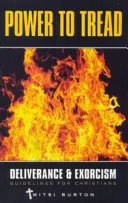
Power to Tred
Mitsi Burton's "Power to Tred" presents a starkly direct approach to spiritual deliverance, rooted in a divinely inspired directive. The book's strength lies in its unapologetic clarity and its systematic breakdown of how spiritual "demons" are perceived to gain entry and influence. Burton details specific avenues for this, such as ancestral sins and occult involvement, providing a tangible, albeit unsettling, framework for readers. The methodology proposed, while faith-based, offers concrete steps for confronting these perceived entities. However, the work's limitation is its singular theological perspective, which may not align with broader Christian theological interpretations or those outside the faith. A particularly arresting section details the "legal rights of demons," which, while serving the author's purpose, can feel accusatory rather than purely instructive. Ultimately, "Power to Tred" serves as a potent, if challenging, manual for those fully immersed in its particular brand of spiritual warfare.
📝 Description
81
Mitsi Burton published 'Power to Tred' in 2005 as a practical manual for spiritual deliverance.
This book presents a methodology for identifying and removing demonic influences, which author Mitsi Burton states result from specific spiritual and emotional transgressions. Burton describes receiving a divine commandment to write this work, intending to give readers the knowledge and steps for spiritual cleansing.
'Power to Tred' is for individuals who believe they are experiencing spiritual oppression or have "demons" as defined within the text. It suits those seeking a structured approach to spiritual warfare and deliverance, especially those who feel compelled to address perceived negative spiritual entities affecting their lives. Readers should be prepared to examine potential links between sin, trauma, and their spiritual consequences.
The early 2000s saw continued interest in Christian deliverance ministries. Works on spiritual warfare and exorcism found audiences in certain evangelical and Pentecostal circles. 'Power to Tred' entered this context, offering Burton's specific perspective on the causes and remedies for demonic possession.
Emerging in the early 2000s, 'Power to Tred' aligns with a continuing interest in Christian deliverance ministries and spiritual warfare prevalent in evangelical and Pentecostal communities. The book's focus on identifying specific 'legal grounds' through which demons afflict individuals—including personal sin, ancestral sin, occult involvement, soul ties, and trauma—places it within traditions that detail specific spiritual causation and prescribed remedies for perceived demonic possession. It offers a structured approach to spiritual conflict and liberation.
💡 Why Read This Book?
• Understand the specific theological concept of "legal rights of demons," as outlined by Mitsi Burton, to gain insight into a particular framework for spiritual oppression. • Learn about the potential origins of spiritual affliction discussed, including "sins of the fathers" and "evil soul ties," offering a unique perspective on intergenerational and relational spiritual dynamics. • Acquire practical steps for "deliverance" as presented in the book, providing a structured, faith-based methodology for confronting perceived negative spiritual influences.
⭐ Reader Reviews
Honest opinions from readers who have explored this book.
❓ Frequently Asked Questions
What are the primary reasons demons are said to gain legal rights in 'Power to Tred'?
According to Mitsi Burton's 'Power to Tred', demons are believed to gain legal rights through personal sins, the sins of ancestors ('sins of the fathers'), curses, involvement with the occult, unhealthy soul ties, and the repercussions of severe trauma.
When was 'Power to Tred' first published?
'Power to Tred' by Mitsi Burton was first published in November 2005, positioning it within a period of continued interest in spiritual warfare literature.
What is the author's stated inspiration for writing 'Power to Tred'?
Mitsi Burton states that the inspiration for 'Power to Tred' came from an audible message from 'The Lord' instructing her that she had demons and must expel them, initiating her journey to write this manual.
Does the book offer guidance on dealing with trauma in relation to spiritual entities?
Yes, 'Power to Tred' explicitly lists physical and emotional trauma as one of the grounds through which demons can allegedly gain legal rights, and the book offers guidance on addressing these issues as part of the deliverance process.
What kind of audience is 'Power to Tred' best suited for?
This book is most suitable for individuals actively engaged in or seeking to understand Christian deliverance ministry and spiritual warfare, particularly those who resonate with its direct, biblically-rooted approach to expelling perceived demonic influences.
What is the core message regarding personal responsibility in 'Power to Tred'?
The core message emphasizes personal responsibility in acknowledging and actively addressing the spiritual issues that allow for demonic influence, through a process of repentance and spiritual warfare as guided by divine instruction.
🔮 Key Themes & Symbolism
Demonic Legal Rights
The central theme is the concept that demonic entities operate under a form of spiritual law, requiring 'legal rights' to afflict individuals. These rights are meticulously detailed, stemming from personal transgressions, ancestral patterns, occult practices, or severe trauma. The book frames deliverance as a process of revoking these legal claims through confession, repentance, and spiritual authority, thereby closing the doors that allowed entry.
Spiritual Warfare Methodology
Power to Tred functions as a practical guide to spiritual warfare, presenting a step-by-step approach to identifying and expelling demonic influences. It moves beyond theoretical discussion to offer actionable strategies, emphasizing the direct command received by the author as the impetus for this structured manual. The work equips readers with a perceived divine mandate to engage in this spiritual conflict.
Generational and Personal Sin
A significant focus is placed on how both present-day actions and the iniquities of past generations ('sins of the fathers') can create vulnerabilities to spiritual attack. This theme highlights the interconnectedness of familial spiritual histories and individual spiritual well-being, suggesting that breaking free requires addressing both personal sin and inherited spiritual burdens.
Deliverance Through Divine Authority
The book underscores that effective deliverance is not merely a psychological exercise but an act empowered by divine authority. The author's direct communication from 'The Lord' serves as the foundational authority for the entire process. Readers are encouraged to operate within this divinely ordained framework, believing that obedience and faith unlock God's power for expulsion.
💬 Memorable Quotes
Direct passages from the work, attributed to the author.
“You Have Demons and You Must Get Them Out!”
— This direct, authoritative command, attributed to divine speech, serves as the foundational impetus for the entire book. It frames the author's work as a divinely mandated mission to address spiritual oppression.
“The legal rights of demons”
— This phrase expresses the core premise that demonic influence is not arbitrary but based on specific spiritual permissions, often granted through sin, curses, or trauma, which can be legally contested in the spiritual realm.
“Sins of the fathers”
— This concept refers to ancestral iniquities or generational curses that can impact descendants, creating spiritual vulnerabilities and providing a basis for demonic influence across generations.
“Evil soul ties”
— This refers to unhealthy, ungodly, or demonic connections formed with other individuals, which can allow spiritual oppression to transfer or be maintained through relational bonds.
“Manual for deliverance”
— This describes the book's function as a practical, instructional guide designed to equip readers with the knowledge and steps necessary for spiritual cleansing and freedom from perceived demonic possession.
🌙 Esoteric Significance
Tradition
While framed within a Christian context, "Power to Tred" engages with concepts that echo broader esoteric traditions concerning spiritual entities, unseen forces, and the power of ritualistic or command-based spiritual intervention. Its focus on 'legal rights' and systematic expulsion shares thematic ground with certain forms of Western esoteric magic that emphasize precise invocation, decree, and the understanding of spiritual jurisdictions.
Symbolism
The title itself, 'Power to Tred,' evokes biblical imagery of Christ's authority over serpents and scorpions, symbolizing dominion over malevolent forces. The concept of 'legal rights' functions as a symbolic framework, representing the boundaries and permissions that govern spiritual interactions, akin to covenants or pacts in other traditions. The act of 'getting them out' symbolizes purification and reclaiming spiritual territory.
Modern Relevance
The work's emphasis on identifying specific spiritual roots of affliction—ranging from ancestral patterns to trauma—appeals to contemporary therapeutic and spiritual modalities that explore intergenerational healing and the impact of adverse experiences. While its theological framework is distinct, the underlying principle of addressing deeply embedded spiritual or psychological issues through structured intervention finds echoes in modern deliverance ministries and certain self-help spiritual practices.
👥 Who Should Read This Book
• Individuals deeply involved in or seeking to understand Christian deliverance ministries and spiritual warfare, who are looking for a direct, authoritative guide. • Readers who believe they are experiencing spiritual oppression and are seeking a structured, biblically-grounded method for addressing perceived demonic influence. • Those interested in comparative studies of spiritual practices, particularly within the Christian tradition, who want to examine specific methodologies for spiritual cleansing and exorcism.
📜 Historical Context
Published in 2005, Mitsi Burton's "Power to Tred" emerged during a period where Christian spiritual warfare and deliverance ministries were prominent, particularly within Pentecostal and Charismatic circles. This discourse built upon earlier waves of interest in exorcism and spiritual battle, influenced by figures like Derek Prince and the broader evangelical engagement with supernatural phenomena. The book offered a specific, author-driven interpretation of how demons gain 'legal rights,' a concept explored in various forms within the deliverance movement. While not engaging directly with academic theological debates, its practical, directive tone aligned with a growing demand for accessible guides on spiritual self-help and warfare. It appeared at a time when Internet forums and Christian broadcasting amplified such teachings, making them widely available, though often outside mainstream denominational structures.
📔 Journal Prompts
The "legal rights of demons" as presented in the book.
Personal sins and their perceived spiritual consequences.
The concept of "sins of the fathers" and its potential impact.
Examining "evil soul ties" in personal relationships.
Your personal "power to tread" over spiritual adversaries.
🗂️ Glossary
Deliverance
The process of freeing individuals from demonic possession or influence, often involving spiritual warfare, prayer, and the renunciation of demonic claims.
Demons
In the context of this book, malevolent spiritual entities believed to oppress or possess individuals, gaining influence through specific spiritual violations.
Legal Rights of Demons
The theological concept that demons acquire legitimate grounds to afflict individuals through specific actions like sin, curses, or trauma, which can be addressed and revoked.
Sins of the Fathers
Ancestral iniquities or generational curses passed down through family lines that can create spiritual vulnerabilities for descendants.
Evil Soul Ties
Unhealthy, ungodly, or demonic connections formed with other individuals that can facilitate spiritual oppression.
Occult
Practices and beliefs related to supernatural phenomena, magic, or divination, which the book identifies as a source of demonic influence.
Trauma
Severe physical or emotional distress that the book posits can create openings for demonic infestation.