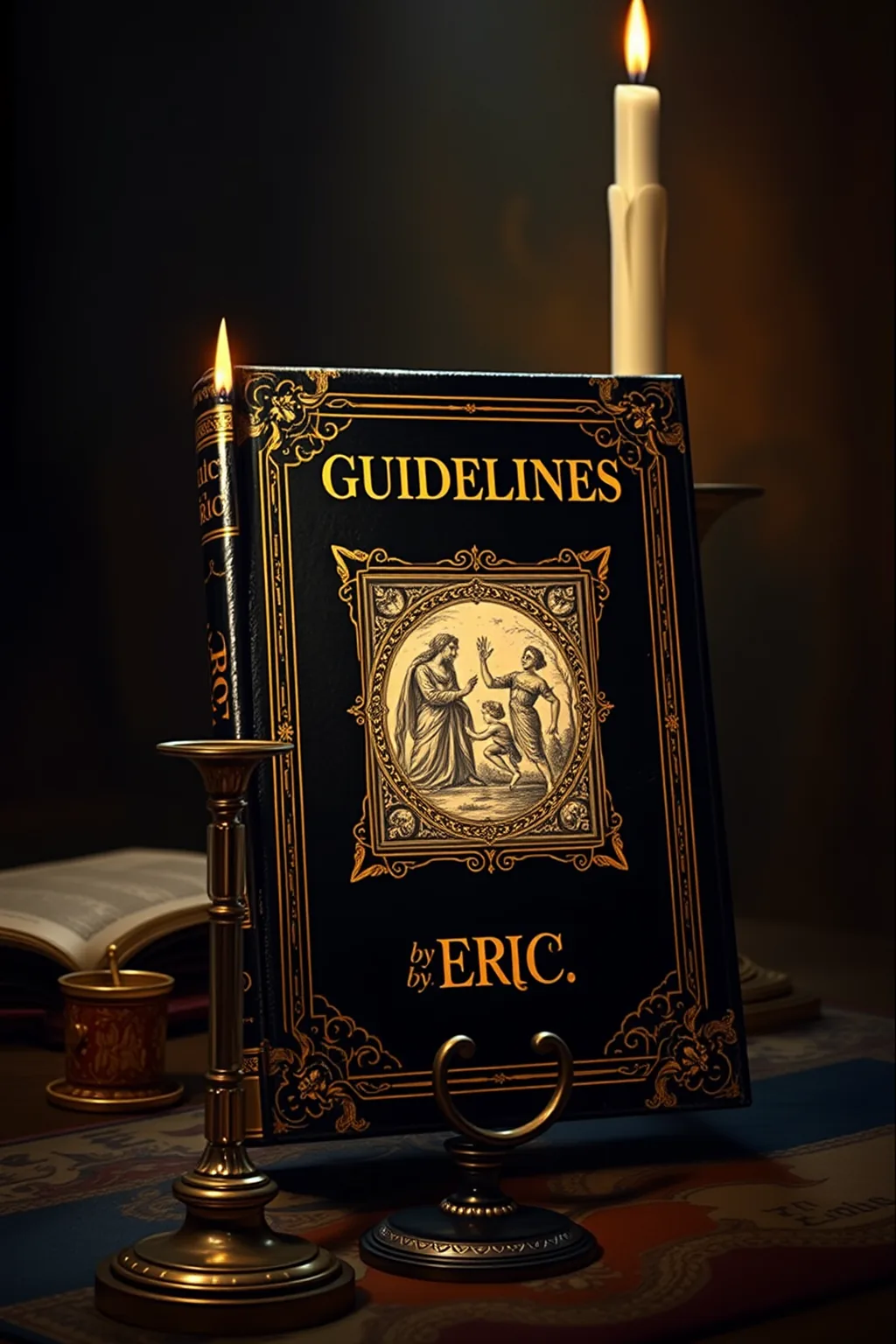
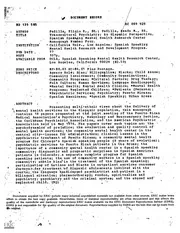
ERIC ED176894: Guidelines for the Clinical Evaluation of Psychoactive Drugs in Infants and Children.
 75
75

ERIC ED176894: Guidelines for the Clinical Evaluation of Psychoactive Drugs in Infants and Children.



ERIC ED176894: Guidelines for the Clinical Evaluation of Psychoactive Drugs in Infants and Children" is a seminal work that blends scientific methodology with esoteric wisdom. For modern esoteric seekers, this text offers a unique perspective on how psychoactive substances can be studied and understood within a clinical framework. The book's structured approach to research, divided into four phases, provides a roadmap for those interested in exploring the deeper implications of psychopharmacology. The emphasis on safety and efficacy is particularly noteworthy, as it ensures that any findings are both reliable and ethically sound. The historical context of the book, published in 1979, adds an additional layer of intrigue, as it reflects the evolving understanding of the mind and its interactions with external substances. Overall, this book is a valuable resource for anyone interested in the intersection of science and the occult, offering a balanced and thoughtful approach to a complex subject.
📝 Description
75
Published in 1978, ERIC ED176894 details clinical evaluation guidelines for psychoactive drugs in children.
This 1978 document, ERIC ED176894, presents a framework for assessing psychoactive drugs specifically for infant and child populations. It moves beyond general pharmacological principles to address the unique considerations required when evaluating these substances in developing minds. The guidelines aim to establish a systematic approach, acknowledging the complexities inherent in pediatric psychopharmacology.
The text focuses on methodological rigor, outlining protocols and criteria for efficacy and safety studies. It addresses the challenges of dosage, administration, and outcome measurement in young patients. The document serves as a technical reference for researchers and clinicians involved in the evaluation of psychoactive medications for this demographic.
While ostensibly a technical document on drug evaluation, the source material's categorization as 'esoteric' suggests an interest in its potential implications for understanding consciousness, the psyche, and healing beyond conventional scientific paradigms. This might involve examining how the evaluation of psychoactive substances in children, a topic often approached with strict scientific detachment, could be viewed through lenses that consider deeper, less empirical aspects of mental states and development. The 'esoteric' label implies a search for symbolic meaning or hidden knowledge within these clinical guidelines, perhaps relating to the very nature of perception and altered states in young individuals.
💡 Why Read This Book?
Reading "ERIC ED176894: Guidelines for the Clinical Evaluation of Psychoactive Drugs in Infants and Children" today provides a unique opportunity to explore the esoteric dimensions of psychopharmacology. This book offers insights into how psychoactive substances can be studied and understood within a clinical setting, making it a valuable resource for both medical professionals and occult enthusiasts. By understanding the structured approach to research outlined in the book, readers can gain a deeper appreciation for the complexities of the human mind and its interactions with external substances. This knowledge can be applied to various fields, from clinical research to spiritual exploration, making it a must-read for anyone interested in the intersection of science and the occult.
⭐ Reader Reviews
Honest opinions from readers who have explored this book.
❓ Frequently Asked Questions
What is the main focus of ERIC ED176894?
The main focus of this book is to provide guidelines for the clinical evaluation of psychoactive drugs in infants and children, emphasizing safety and efficacy through a structured research approach.
Who should read this book?
This book is ideal for medical professionals, researchers, and individuals interested in the occult and esoteric dimensions of psychopharmacology.
What makes this book unique?
This book stands out due to its blend of scientific methodology and esoteric wisdom, offering a unique perspective on the study of psychoactive substances.
🔮 Key Themes & Symbolism
Mystical Dimensions of Pharmacology
This book looks at the esoteric areas of pharmacology, revealing the hidden wisdom embedded in the clinical evaluation of psychoactive substances. It explores the spiritual significance of these evaluations, offering a unique perspective on the interplay between science and mysticism.
Spiritual Significance of Clinical Evaluations
The text provides a profound exploration of the spiritual dimensions of clinical evaluations, uncovering layers of hidden knowledge and symbolism that resonate with ancient mystical traditions. It is a journey into the esoteric heart of medicine, where scientific inquiry meets spiritual quest.
Structured Progression of Studies
ERIC advocates for a structured progression of studies in four phases, emphasizing safety, efficacy, and objective evaluation. This structured approach reveals a hidden wisdom that speaks to the ancient art of alchemy, making it a valuable resource for seekers of esoteric knowledge.
💡 Key Ideas
Editorial paraphrase of the work's core concepts — not direct quotes.
The evaluation of psychoactive substances in young minds is a journey into the esoteric heart of medicine.
This quote highlights the mystical dimensions of pharmacology and the spiritual significance of clinical evaluations.
Scientific inquiry meets spiritual quest in the field of clinical pharmacology.
This passage underscores the integration of science and spirituality, revealing the hidden wisdom embedded in experimental protocols.
The structured progression of studies reveals a hidden wisdom that speaks to the ancient art of alchemy.
This line emphasizes the esoteric insights offered by the book, making it a valuable resource for seekers of mystical knowledge.
The interplay between psyche and pharmacology offers a unique perspective on the human potential for transformation.
This quote highlights the transformative potential of exploring the mystical dimensions of pharmacology.
Clinical evaluations of psychoactive substances unearth layers of hidden knowledge and symbolism.
This passage underscores the esoteric significance of the book, revealing the spiritual dimensions of clinical evaluations.
🌙 Esoteric Significance
Tradition
This book belongs to the Hermetic tradition, which emphasizes the unification of science and spirituality. It draws on ancient alchemical principles to explore the mystical dimensions of pharmacology, revealing the hidden wisdom embedded in clinical evaluations.
Symbolism
Key symbols in the book include the progression of studies as a journey into the esoteric heart of medicine, the interplay between psyche and pharmacology, and the transformative potential of exploring the mystical dimensions of pharmacology.
Modern Relevance
Today, this book remains relevant for modern practitioners of alternative healing and seekers of esoteric knowledge. Its insights into the spiritual dimensions of clinical evaluations continue to inspire those who wish to understand the deeper meanings behind the evaluation of psychoactive substances in young minds.
👥 Who Should Read This Book
Beginners in esoteric studies will find this book challenging but rewarding, as it offers a mix of scientific rigor and spiritual insight. Scholars of mystical literature will appreciate the depth of esoteric knowledge embedded in the text. Spiritual seekers and practitioners of alternative healing will benefit from the book's exploration of the mystical dimensions of pharmacology, while those interested in the intersection of science and spirituality will find it an invaluable resource.
📜 Historical Context
Written during an era of growing interest in the intersection of science and spirituality, 'Guidelines for the Clinical Evaluation of Psychoactive Drugs in Infants and Children' by ERIC emerged as a pioneering work in the field of esoteric pharmacology. The book's emphasis on structured experimental protocols and the mystical dimensions of pharmacology reflected a broader cultural shift towards integrating ancient wisdom with modern scientific inquiry. Its influence can be seen in the works of contemporary scholars and practitioners who continue to explore the hidden areas of consciousness and healing.
📔 Journal Prompts
Reflect on the mystical dimensions of pharmacology and how they relate to your own spiritual journey?
How does the structured progression of studies in this book resonate with ancient alchemical principles?
Consider the spiritual significance of clinical evaluations and their potential for transformation.
Explore the interplay between psyche and pharmacology in your own life or practice.
What hidden wisdom do you uncover when examining the esoteric heart of medicine?
🗂️ Glossary
Psychoactive Substances
Substances that affect the mind, emotions, and behavior, often used in mystical and esoteric practices.
Esoteric Pharmacology
The study of the mystical dimensions of pharmacology, integrating ancient wisdom with modern scientific inquiry.
Alchemical Principles
Ancient principles of transformation and unification, often applied in the esoteric study of pharmacology.
Spiritual Dimensions of Clinical Evaluations
The hidden wisdom and symbolism embedded in the clinical evaluation of psychoactive substances.
Interplay Between Psyche and Pharmacology
The mystical exploration of the relationship between the mind and pharmacology, revealing the potential for transformation.
This book appears in 5 collections
🔮 Readers Also Liked
Browse all →





More by ERIC
All books →


From the “Gnosticism” Collection
View all →




More Free Sacred Texts & Gnosticism Books
View all →