Hour of the Witch
 79
79

Hour of the Witch
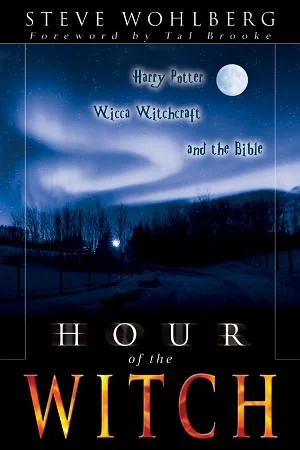
Steve Wohlberg's *Hour of the Witch* attempts a direct confrontation with the spiritual undertones of the Harry Potter phenomenon. The author’s intent to offer a biblically informed critique of popular children's literature is clear. Wohlberg meticulously catalogues instances of magic and witchcraft within the narrative, presenting them as more than mere fantasy. A notable strength lies in its directness; it doesn't shy away from its theological stance, offering a stark contrast to the widespread embrace of the series. However, the work sometimes falters in its analytical depth, occasionally presenting assertions without fully exploring alternative interpretations or the nuances of literary allegory. For instance, the argument that depictions of spellcasting inherently promote actual witchcraft, as discussed around the concept of 'sympathetic magic' (though not explicitly named as such in the book's blurb), could benefit from a more thorough engagement with literary theory regarding the function of magic in narrative. The book serves as a concise, if somewhat singular, perspective on a cultural moment.
📝 Description
79
Steve Wohlberg's 2005 book scrutinizes the Harry Potter series' spiritual implications.
Published in 2005, Steve Wohlberg's *Hour of the Witch* examines the global Harry Potter phenomenon. The book presents a spiritual and biblical analysis of these popular children's books. Wohlberg argues that the frequent appearance of sorcery and supernatural themes in the stories requires parents to carefully consider their children's exposure.
The work seeks to uncover the spiritual messages embedded in fantasy worlds featuring witchcraft and wizardry. It questions the assumed harmlessness of these elements. This book is aimed at parents, educators, and adults concerned about the cultural effects of fantasy literature with magical themes. It will also interest those studying comparative religion, especially where modern popular culture meets traditional spiritual or biblical perspectives. Readers looking for a critical view of the spiritual messages in children's entertainment will find this book relevant.
This book engages with concerns arising from the intersection of popular culture and spiritual traditions, particularly in the early 2000s. It reflects a broader discourse questioning the spiritual underpinnings of narratives that incorporate elements of magic and the occult. The work aligns with traditions that interpret fictional portrayals of supernatural forces through a lens of established religious or spiritual frameworks, examining their potential influence on belief systems and moral development.
💡 Why Read This Book?
• Gain insight into a specific 2005 spiritual critique of the Harry Potter series, understanding its context within early 2000s media debates. • Examine the author's framework for analyzing fictional portrayals of witchcraft through a biblical lens, offering a distinct interpretive methodology. • Consider the book's argument regarding the spiritual influence of fantasy narratives, prompting reflection on how children's media might shape worldviews.
⭐ Reader Reviews
Honest opinions from readers who have explored this book.
❓ Frequently Asked Questions
When was Steve Wohlberg's 'Hour of the Witch' first published?
Steve Wohlberg's 'Hour of the Witch' was first published in 2005, placing its critique squarely within the peak years of the Harry Potter series' global popularity.
What is the main subject of 'Hour of the Witch'?
The book's main subject is a spiritual and biblical examination of the Harry Potter series, scrutinizing its themes of witchcraft and sorcery and their potential influence on children.
Does the book discuss Wicca?
Yes, the original blurb indicates that 'Hour of the Witch: Harry Potter, Wicca Witchcraft, and the Bible' directly addresses Wicca in relation to the popular wizarding tales.
What is the author's perspective on the Harry Potter books?
The author, Steve Wohlberg, views the Harry Potter books with concern, suggesting that their pervasive use of sorcery and supernatural elements requires careful spiritual consideration by parents.
Who is the intended audience for this book?
The intended audience includes parents, educators, and individuals interested in the spiritual implications of popular culture, particularly concerning children's literature.
What biblical viewpoint does the book reference?
The book references a biblical viewpoint to scrutinize the themes of witchcraft and sorcery presented in the Harry Potter series, offering a contrasting spiritual perspective.
🔮 Key Themes & Symbolism
Biblical Scrutiny of Fantasy
The work positions itself as an analytical tool for parents and religious individuals to evaluate popular fantasy literature through a specific biblical lens. It posits that narratives featuring witchcraft and sorcery, like the Harry Potter series, are not neutral entertainment but carry potential spiritual implications. The book argues for a critical examination of how these fictional portrayals align with, or diverge from, biblical teachings on the supernatural and occult practices. It encourages readers to consider the underlying spiritual messages being conveyed, even in works intended for children.
The Influence of Media on Youth
A core theme is the potential influence of pervasive media, specifically the Harry Potter books, on the spiritual development of children. Wohlberg expresses concern that widespread engagement with stories centered on magic and wizardry might normalize or desensitize young audiences to themes traditionally viewed as problematic from certain religious standpoints. The book explores the idea that immersion in such narratives could subtly shape a child's worldview and perception of the spiritual realm, advocating for parental awareness and discernment.
Witchcraft and Sorcery in Popular Culture
This theme dissects the portrayal of witchcraft and sorcery within the Harry Potter universe. The book aims to differentiate between fictional depictions and real-world practices, while still asserting that the fictional elements themselves warrant spiritual consideration. It questions the perceived innocence of these magical elements, suggesting that their prominent role in a globally popular series requires a deeper analysis of their symbolic and spiritual resonance. The work implicitly contrasts these fictional representations with traditional religious understandings of the occult.
Parental Discernment and Faith
Central to Wohlberg's argument is the imperative for parental discernment rooted in faith. The book encourages parents to actively engage with the media their children consume, particularly content involving supernatural themes. It frames this engagement not merely as oversight but as a spiritual responsibility, urging a proactive approach to safeguarding children from potentially harmful spiritual influences embedded in entertainment. The work serves as a guide for applying faith-based principles to everyday decisions about media consumption.
💬 Memorable Quotes
Direct passages from the work, attributed to the author.
“Millions of children across the globe are enjoying the magical adventures of Harry Potter.”
— This opening observation highlights the immense cultural reach and popularity of the Harry Potter series, establishing the significant audience Wohlberg intends to address.
“Are these harmless fantasies or is a sinister spirit lurking behind the best-selling books?”
— This rhetorical question captures the central thesis of the book, framing the narrative as a probe into the potential hidden spiritual dangers within seemingly innocent children's literature.
“Hour of the Witch: Harry Potter, Wicca Witchcraft, and the Bible scrutinizes these popular tales from a spiritual standpoint.”
— This statement clearly defines the book's methodology and scope, indicating a direct confrontation between popular fantasy, witchcraft (including Wicca), and biblical interpretation.
“Sorcery and the supernatural are essential to Harry Potter's escapades and parents should consider how all this wizardry influences their kids.”
— This interpretation emphasizes Wohlberg's view that magic is not incidental but fundamental to the Harry Potter stories, thus necessitating parental oversight regarding its influence.
“Does being immersed in images of witchcraft hav”
— This fragmented statement, likely from the original blurb, underscores the book's core concern: questioning the potential long-term effects of children's exposure to pervasive imagery of witchcraft.
🌙 Esoteric Significance
Tradition
This work does not align with a specific esoteric tradition like Hermeticism or Gnosticism. Instead, it operates from a conservative Christian theological framework, viewing esoteric practices like witchcraft and sorcery with suspicion. Its significance lies not in contributing to esoteric thought, but in critiquing popular culture's engagement with themes often explored within esoteric circles, from an opposing viewpoint. It represents a segment of religious discourse that engages with, and often condemns, elements associated with the occult and pagan revival.
Symbolism
The primary 'symbol' Wohlberg engages with is witchcraft itself, as depicted in the Harry Potter series. He interprets the magical spells, potions, and wizarding world not merely as narrative devices but as representations of practices that hold spiritual significance. The book implicitly treats these elements as symbols of a broader engagement with the supernatural that, from his perspective, carries inherent spiritual risks, contrasting with traditional biblical symbolism and theological understanding.
Modern Relevance
While Wohlberg's book is a specific critique of a 2000s cultural moment, its underlying concerns about media influence and the spiritual impact of fantasy literature remain relevant. Contemporary discussions about the ethics of representation in media, the role of parents in curating children's content, and the blurred lines between fantasy and perceived reality echo the themes Wohlberg addressed. Thinkers and parents concerned with the spiritual or moral implications of increasingly prevalent supernatural and magical themes in digital media and entertainment may still find his framework of analysis instructive, albeit requiring adaptation.
👥 Who Should Read This Book
• Parents and guardians seeking to understand potential spiritual concerns related to popular children's fantasy literature like Harry Potter. • Individuals interested in comparative religious studies, specifically the intersection of conservative Christian theology and modern popular culture. • Educators and youth leaders looking for resources that address media literacy from a faith-based perspective regarding supernatural themes.
📜 Historical Context
Published in 2005, *Hour of the Witch* arrived during the zenith of the Harry Potter phenomenon. J.K. Rowling's series, which began its global rollout in 1997, had by the mid-2000s become a cultural juggernaut, profoundly shaping children's literature and popular entertainment. This period was marked by widespread public discourse on media's influence on youth, with various religious groups voicing concerns about the occult elements present in the wizarding world. Wohlberg's work entered this conversation, offering a specific, biblically-grounded critique. It stood in contrast to more celebratory or therapeutically-oriented analyses of the series prevalent at the time. While authors like Harold Bloom were exploring the literary merits and mythological underpinnings of fantasy in works like *Rings, Power, and the War in Middle-earth* (published 2001, though Bloom's broader work on influence predates this), Wohlberg focused on a theological rather than purely literary or mythological interpretation, engaging directly with the perceived spiritual dangers.
📔 Journal Prompts
The pervasive nature of sorcery in Harry Potter's escapades.
Witchcraft imagery and its potential influence on children.
The biblical perspective on supernatural elements in fiction.
Parental responsibility in media consumption choices.
The distinction between harmless fantasy and spiritual influence.
🗂️ Glossary
Wicca
A contemporary Pagan religious movement that seeks to follow the Old Religion. It typically involves reverence for nature, belief in a Goddess and a God, and the practice of magic, often through rituals and spellcasting.
Sorcery
The practice of magic, especially black magic; the use of spells believed to involve the invocation of supernatural powers, often with harmful intent or through illicit means.
Supernatural
The manifestation of forces or phenomena that are beyond the scientific understanding of the natural world, often attributed to divine, demonic, or magical origins.
Spiritual standpoint
An analytical perspective or viewpoint based on religious beliefs, doctrines, and interpretations concerning the soul, the divine, and the immaterial aspects of existence.
Wizardry
The art, practice, or system of magic, especially as practiced by wizards; often used synonymously with magic or enchantment in fantasy literature.
Esoteric
Intended for or likely to be understood by only a small number of people with a specialized knowledge or interest; relating to hidden or secret knowledge.
Biblical
Relating to or derived from the Bible; conforming to the principles or teachings of the Christian Bible.
This book appears in 1 collection
🔮 Readers Also Liked
Browse all →





From the “Witchcraft” Collection
View all →




More Free Sacred Texts & Gnosticism Books
View all →