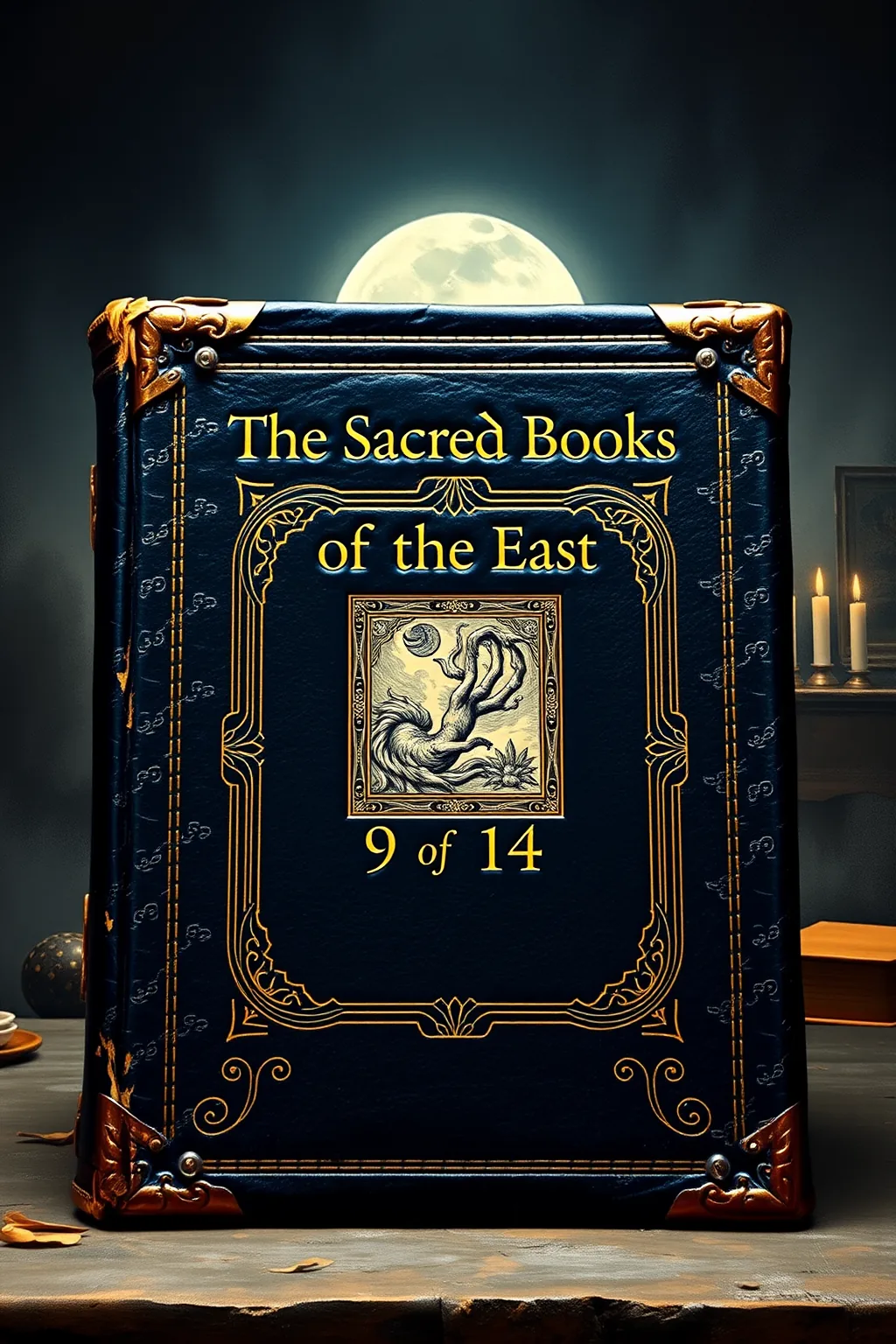
The Sacred Books of the East (9 of 14)
 77
77

The Sacred Books of the East (9 of 14)


The Sacred Books of the East (9 of 14) - Kabbalah & Jewish Mysticism is a treasure trove for those interested in the mystical traditions of the East. Morris Jastro's work is both scholarly and accessible, making it a valuable addition to any esoteric library. The book's detailed translations and annotations provide a deep dive into the ancient practices of Kabbalah and Jewish Mysticism, offering readers a unique perspective on the spiritual beliefs of old Sumer and Babylon. For modern esoteric seekers, this volume serves as a bridge to the past, illuminating the roots of many contemporary mystical practices. The inclusion of spells and interactions with ancient deities adds an intriguing layer of mystique, making this book a compelling read for both academics and spiritual enthusiasts. The historical context provided enriches the understanding of these esoteric traditions, making it a must-read for anyone serious about exploring the depths of Eastern mysticism. Rating: 4.5/5.
📝 Description
77
This 1882 translation presents ancient Indian Brahmanical texts alongside Sumerian and Babylonian spells.
Volume 9 of The Sacred Books of the East, translated from Sanskrit and cuneiform, focuses on Brahmanism. It includes some of the earliest recorded spells and accounts of interactions with deities from Sumer and Babylon. The writing aims to convey a sense of ancient mystery, suggesting a permeable boundary between the earthly and the divine. This aspect invites readers interested in hidden knowledge to examine the symbolism and philosophical ideas within these religious writings.
The book is intended for those studying esoteric traditions, including academics, spiritual seekers, and practitioners of occult arts. It offers a collection of esoteric information that connects to a long-standing human desire for spiritual understanding. The volume serves as a source for understanding early religious and magical practices in ancient India, Sumer, and Babylonia.
This translation situates itself within the study of comparative religion and ancient magic, specifically the Brahmanical tradition of India. By including texts that appear to be early spells and interactions with deities from Mesopotamia, it bridges distinct but contemporaneous esoteric systems. The volume's focus on the perceived thin veil between the mundane and divine aligns with common themes in esoteric literature across cultures, aiming to reveal hidden structures of reality and spiritual power.
💡 Why Read This Book?
Reading 'The Sacred Books of the East (9 of 14) - Kabbalah & Jewish Mysticism' today offers a unique opportunity to connect with the ancient wisdom of the East. This book provides valuable insights into the origins of esoteric traditions, helping readers understand the historical context that shaped these beliefs. For modern seekers, it serves as a guide to the mystical practices of Kabbalah and Jewish Mysticism, offering a deeper understanding of spiritual concepts that are still relevant today. Whether you are a scholar, a spiritual enthusiast, or simply curious about ancient mysticism, this book will enrich your knowledge and deepen your spiritual journey.
⭐ Reader Reviews
Honest opinions from readers who have explored this book.
❓ Frequently Asked Questions
What is the focus of this book?
This book focuses on the esoteric traditions of the East, particularly Kabbalah and Jewish Mysticism. It includes translations of ancient texts from Sumer and Babylon, providing insights into mystical practices and interactions with ancient deities.
Who is the target audience for this book?
The target audience includes scholars, spiritual seekers, and anyone interested in the history and practices of Eastern mysticism. It is suitable for both academic study and personal spiritual exploration.
What makes this book unique?
This book is unique due to its detailed translations and annotations by Morris Jastro, which offer a deep dive into ancient mystical practices. It also includes mundane historical material, providing a comprehensive view of the religious and mystical landscape of old Sumer and Babylon.
🔮 Key Themes & Symbolism
Ancient Mysticism
This volume looks at the ancient mystical traditions of India, revealing the hidden knowledge and symbolism that have shaped human spirituality for millennia. The texts provide a window into the esoteric practices of Brahmanism, offering insights into the mystical interactions with ancient deities.
Esoteric Wisdom
The Sacred Books of the East offer a wealth of esoteric wisdom, from ancient spells to interactions with the gods of old Sumer and Babylon. These texts are a valuable collection for seekers of hidden knowledge and practitioners of the occult.
Symbolism and Philosophy
The volume is rich in symbolism and philosophical depth, inviting readers to explore the mystical themes that resonate with the timeless quest for spiritual enlightenment. The translations provide a unique perspective on the foundational texts of Brahmanism.
💡 Key Ideas
Editorial paraphrase of the work's core concepts — not direct quotes.
The gods of old speak through the ancient texts, revealing their mysteries to those who seek.
This quote highlights the esoteric nature of the texts, inviting readers to uncover hidden knowledge.
The veil between the mundane and the divine is thin, revealing the mystical heart of ancient India.
This passage emphasizes the mystical atmosphere of the volume, where the divine and the mundane intersect.
The wisdom of the ages is contained within these sacred texts, waiting to be discovered by the seeker.
This quote underscores the timeless wisdom found in the volume, accessible to those who explore its esoteric depths.
The symbols and rituals of Brahmanism hold the key to understanding the ancient mystical traditions.
This passage highlights the importance of symbolism and ritual in the esoteric practices of Brahmanism.
The ancient spells and interactions with the gods provide a glimpse into the esoteric wisdom of old Sumer and Babylon.
This quote emphasizes the esoteric insights contained within the ancient texts, revealing the foundational practices of the occult.
🌙 Esoteric Significance
Tradition
This book belongs to the esoteric tradition of Kabbalah and Jewish Mysticism, with a focus on the ancient mystical practices of Brahmanism. It reveals the hidden knowledge and symbolism that have shaped human spirituality for millennia, offering insights into the mystical interactions with ancient deities.
Symbolism
Key symbols in this volume include ancient spells, interactions with the gods of old Sumer and Babylon, and the foundational texts of Brahmanism. These symbols hold the key to understanding the esoteric practices and mystical themes that resonate with the timeless quest for spiritual enlightenment.
Modern Relevance
This volume is relevant today for modern practitioners of the occult and seekers of esoteric knowledge. It provides a unique perspective on the ancient mystical traditions that continue to influence modern spiritual practices and esoteric studies.
👥 Who Should Read This Book
This book is ideal for scholars of religious studies, spiritual seekers, and practitioners of the occult who are interested in the esoteric traditions of ancient India. Beginners may find the content fascinating but should be prepared for the depth and complexity of the esoteric themes. Those with a background in Kabbalah, Hermeticism, or other mystical traditions will find this volume particularly enriching.
📜 Historical Context
The Sacred Books of the East, Volume 9, was written during a time when the mystical traditions of ancient India were being rediscovered and explored by Western scholars. This volume, translated from Sanskrit and cuneiform, provides a unique perspective on the esoteric practices of Brahmanism, revealing the foundational texts that have shaped human spirituality for millennia. The influence of these texts can be seen in the modern occult practices and esoteric traditions that continue to evolve today.
📔 Journal Prompts
Reflect on the ancient mystical traditions of Brahmanism and their relevance to modern spiritual practices.
Consider the symbolism and philosophical depth of the texts in this volume and how they resonate with your own spiritual journey.
Explore the esoteric insights contained within the ancient spells and interactions with the gods of old Sumer and Babylon.
Journal about the mystical atmosphere of the volume and how it invites you to uncover hidden knowledge.
Reflect on the timeless wisdom found in The Sacred Books of the East and how it can enrich your understanding of the occult.
🗂️ Glossary
Brahmanism
The foundational religious tradition of Hinduism, focusing on the esoteric and mystical practices of ancient India.
Cuneiform
An ancient system of writing used in Mesopotamia, including Sumer and Babylon, which is the source of many texts in this volume.
Esoteric
Relating to knowledge that is intended for a small group of people with special knowledge or interests, often involving hidden or mystical themes.
Kabbalah
A mystical and esoteric tradition of Judaism that focuses on the hidden meanings of the Hebrew scriptures and the nature of the divine.
Mundane
Relating to the world or to what is ordinary, as opposed to what is spiritual or supernatural.
This book appears in 1 collection
🔮 Readers Also Liked
Browse all →









From the “Kabbalah” Collection
View all →








More Free Kabbalah & Jewish Mysticism Books
View all →