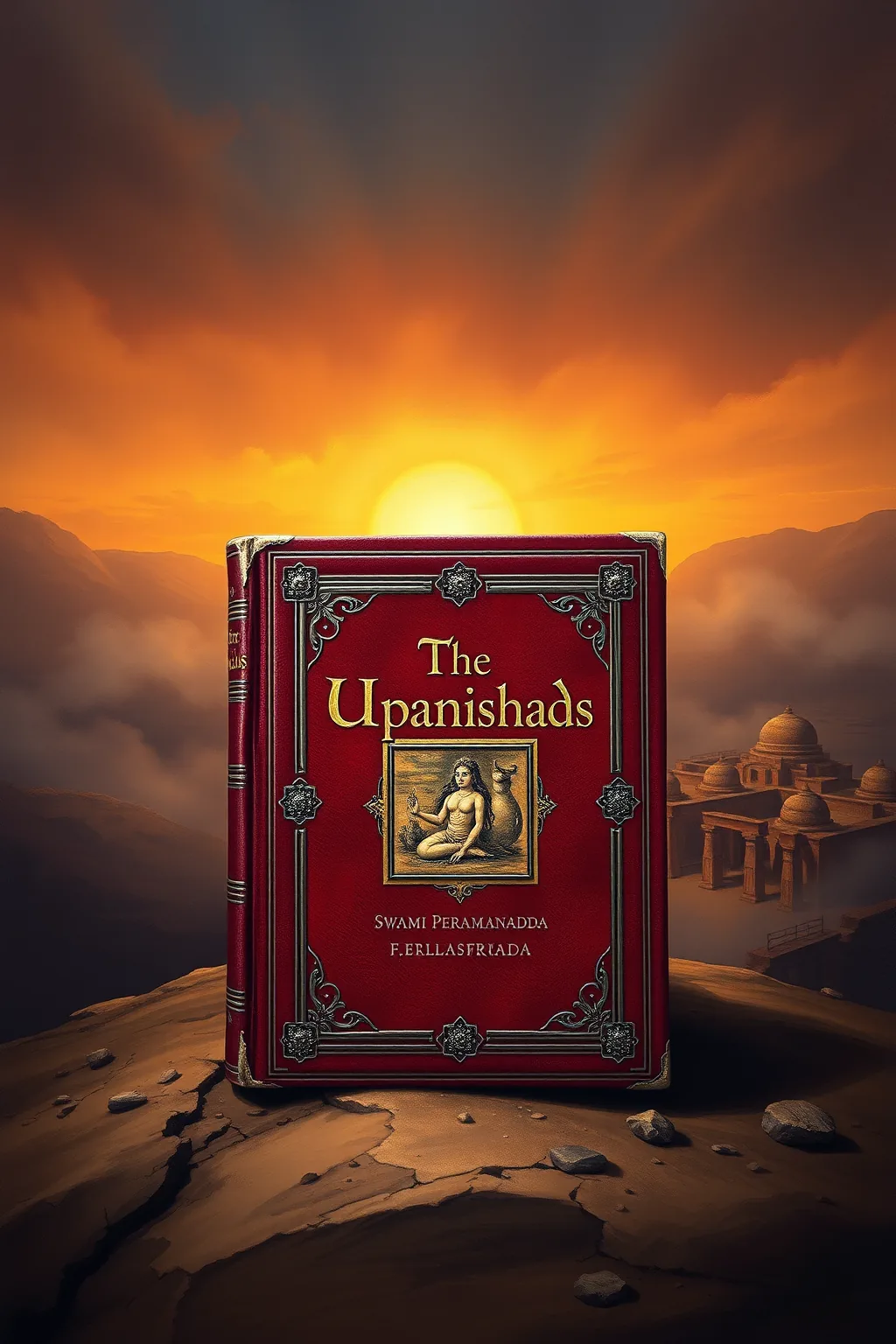
The Upanishads
 76
76

The Upanishads



Swami Paramananda's translation of The Upanishads is a masterful work that brings the ancient esoteric texts into the modern era. For esoteric seekers, this book is a treasure trove of mystical wisdom and contemplative practices. The Upanishads offer a deep dive into the mysteries of existence, providing profound insights into the nature of the self and the divine. Paramananda's clear and accessible translation makes these complex ideas understandable to contemporary readers. The book's exploration of themes such as the unity of all existence and the illusory nature of the physical world is particularly compelling. It serves as a guide for those on a spiritual journey, offering timeless teachings that can enrich one's understanding of the esoteric and mystical traditions. The Upanishads are a must-read for anyone seeking to explore the depths of spiritual contemplation and esoteric knowledge.
📝 Description
76
Swami Paramananda's translation of The Upanishads appeared in 1919.
The Upanishads are a collection of ancient Hindu philosophical texts. They form the core of Vedanta thought, examining existence, consciousness, and the self. This translation by Swami Paramananda makes these Sanskrit scriptures accessible in English. The texts are known for their spiritual depth and focus on inner contemplation.
Readers will find discussions on Brahman, the ultimate reality, and Atman, the individual soul. The relationship between these concepts, and the path to realizing their unity, is a central concern. These scriptures have guided seekers for centuries, offering a framework for understanding the universe and one's place within it. They encourage introspection and a quest for ultimate truths.
The Upanishads are a primary source for Hindu esoteric traditions, particularly the Vedanta school. They represent a philosophical culmination of the Vedic period, moving from ritualistic concerns to metaphysical inquiry. Their focus on direct experience of reality and the inner self places them firmly within contemplative and mystical spiritual paths. The texts explore concepts like karma, reincarnation, and the nature of the soul's journey, aiming at spiritual realization rather than dogma.
✍️ Author
![Swami [Translator] Paramananda](/img/authors/swami-translator-paramananda.webp)
Swami [Translator] Paramananda
Swami Mukundananda is an Indian spiritual teacher, author, monk, and founder of the Jagadguru Kripaluji Yog (JKYog) organization..
💡 Why Read This Book?
Reading The Upanishads today offers a unique opportunity to connect with ancient wisdom that remains incredibly relevant. This book provides a deep understanding of esoteric and mystical traditions, helping readers to explore the nature of reality and the self. By delving into these timeless teachings, readers can gain insights that enrich their spiritual journey and contemplative practices. The Upanishads offer a path to inner exploration and enlightenment, making them an invaluable resource for modern seekers.
⭐ Reader Reviews
Honest opinions from readers who have explored this book.
❓ Frequently Asked Questions
Who was Swami Paramananda?
Swami Paramananda was a renowned spiritual teacher and translator known for his work in bringing ancient Indian texts to a Western audience. His translations are celebrated for their clarity and accessibility.
What are the main themes of The Upanishads?
The main themes of The Upanishads include the unity of all existence, the illusory nature of the physical world, and the path to spiritual liberation. These texts explore deep philosophical and mystical concepts.
Why is The Upanishads important for esoteric studies?
The Upanishads are crucial for esoteric studies because they offer profound insights into the nature of reality and the self. They provide a foundation for understanding mystical and contemplative practices.
🔮 Key Themes & Symbolism
The Nature of Reality
The Upanishads explore the ultimate nature of reality, often referred to as Brahman. This theme examines the idea that the material world is an illusion, and the true nature of existence is eternal and unchanging. The texts provide esoteric insights into the interconnection of all things and the underlying unity of the universe.
The Self and Consciousness
The Upanishads offer profound reflections on the nature of the self, or Atman. This theme emphasizes the idea that the true self is not the physical body or the mind, but a transcendent consciousness that is one with the ultimate reality. The texts provide seekers with a pathway to self-realization and spiritual enlightenment.
Symbolism and Hidden Knowledge
The Upanishads are rich in symbolism and hidden knowledge, offering readers a glimpse into the deeper aspects of Hindu mysticism. This theme includes various esoteric symbols and metaphors that represent the ultimate truths of the universe, making the texts a valuable resource for those interested in the occult and mystical traditions.
💡 Key Ideas
Editorial paraphrase of the work's core concepts — not direct quotes.
Brahman is the cause and effect of all things.
This quote underscores the ultimate reality and interconnectedness of all existence.
The self is not the body, nor the mind, but pure consciousness.
This quote highlights the transcendental nature of the true self.
The universe is a manifestation of the divine.
This quote emphasizes the sacred and mystical nature of the material world.
Knowledge of the self leads to liberation.
This quote underscores the importance of self-realization in achieving spiritual enlightenment.
The path to enlightenment is through meditation and contemplation.
This quote highlights the practical aspects of spiritual practice.
🌙 Esoteric Significance
Tradition
The Upanishads belong to the esoteric tradition of Vedanta, which is a school of Hindu philosophy that emphasizes the ultimate reality of Brahman and the transcendent nature of the self. This tradition is rich in mystical and occult symbolism, offering seekers a pathway to spiritual enlightenment and self-realization.
Symbolism
Key symbols in the Upanishads include Brahman, the ultimate reality; Atman, the true self; and Maya, the illusion of the material world. These symbols represent the deeper aspects of Hindu mysticism and provide readers with a framework for understanding the ultimate truths of the universe.
Modern Relevance
The Upanishads remain relevant today for their clear insights into the nature of reality and the self. Modern practitioners of meditation, yoga, and other spiritual disciplines often turn to these texts for guidance and inspiration. The esoteric wisdom of the Upanishads continues to influence contemporary spirituality and philosophy, making them an essential resource for seekers of hidden knowledge and spiritual enlightenment.
👥 Who Should Read This Book
Beginners interested in Hindu mysticism will find the Upanishads to be an accessible introduction to the deeper aspects of Hindu thought. Scholars of religion and philosophy will appreciate the clear insights into the nature of reality and the self. Spiritual seekers and practitioners of meditation and yoga will find valuable guidance and inspiration in these ancient texts. Those interested in the occult and esoteric traditions will discover a rich source of hidden knowledge and symbolism.
📜 Historical Context
The Upanishads were composed between 800 and 400 BCE during a period of intense spiritual and philosophical inquiry in ancient India. These texts represent the culmination of the Vedic tradition and offer a profound exploration of the mystical and esoteric aspects of Hindu thought. The Upanishads were instrumental in shaping the Vedanta school of philosophy and have had a lasting influence on Hindu spirituality and culture. Their insights into the nature of reality and the self continue to inspire seekers and scholars alike, making them a core part of mystical literature.
📔 Journal Prompts
Reflect on the concept of Brahman and its significance in your understanding of reality.
Consider the nature of the self and how it relates to your spiritual journey.
Explore the symbolism of Maya and its implications for your perception of the material world.
How do the Upanishads influence your practice of meditation or yoga?
What insights from the Upanishads resonate most with your spiritual beliefs?
🗂️ Glossary
Brahman
The ultimate reality or divine ground of all being in Hindu philosophy.
Atman
The true self or soul, considered to be identical with Brahman.
Maya
The illusion of the material world, which obscures the true nature of reality.
Vedanta
A school of Hindu philosophy that emphasizes the ultimate reality of Brahman and the transcendent nature of the self.
Upanishad
A genre of Hindu scriptures that look at the mystical and contemplative aspects of existence.
This book appears in 1 collection
🔮 Readers Also Liked
Browse all →




From the “Christian Mysticism” Collection
View all →






More Free Mysticism & Contemplation Books
View all →