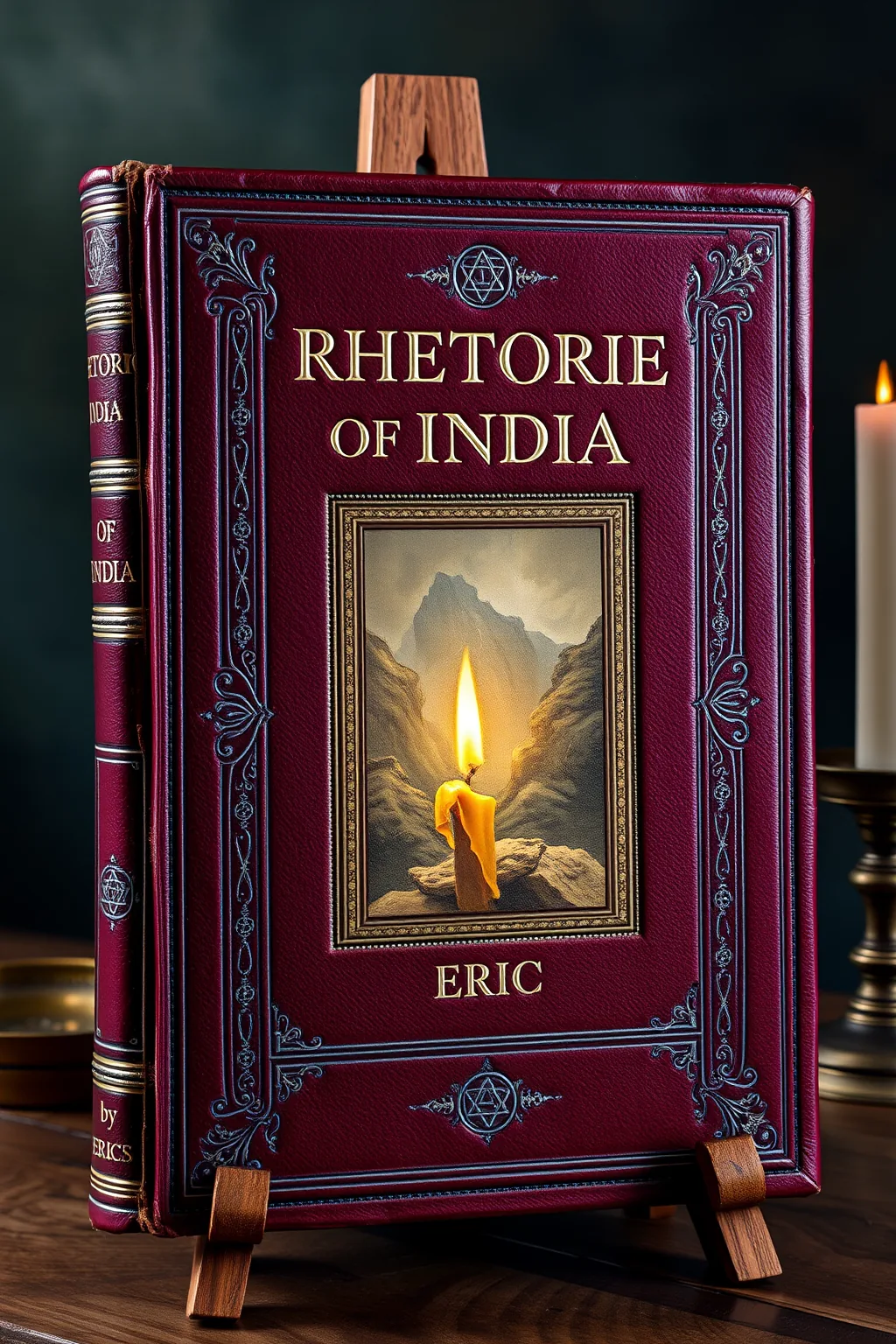
ERIC ED299623: Rhetoric of India: A Selected, Interdisciplinary Bibliography.
 80
80

ERIC ED299623: Rhetoric of India: A Selected, Interdisciplinary Bibliography.



ERIC's "Rhetoric of India: A Selected, Interdisciplinary Bibliography" is a treasure trove for anyone interested in the esoteric and mystical traditions of India. This 1988 publication offers a meticulously curated list of 98 works that span the philosophical and religious landscape of India. The inclusion of foundational texts like the Bhagavad-Gita, the Holy Vedas, and the Upanishads ensures that readers gain access to the most revered and influential writings in Indian mysticism. The bibliography also covers rhetorical traditions and philosophical perspectives, providing a comprehensive overview of Indian thought. For modern esoteric seekers, this book is an essential tool for deepening their understanding of Indian spirituality and its impact on global culture. The profiles of noted speakers and texts on intercultural communication add layers of depth, making it a valuable resource for both academic and spiritual pursuits.
📝 Description
80
This 1995 bibliography compiles rhetorical studies on Indian thought.
The ERIC ED299623 bibliography indexes scholarly works on the rhetoric of India. It aims to collect resources that address both the philosophical and literary traditions of the subcontinent. The selection includes discussions of key texts and conceptual frameworks that have informed Indian intellectual history.
Covered works range from foundational scriptures like the Bhagavad-Gita, Vedas, and Upanishads to analyses of rhetorical structures and philosophical arguments. The bibliography is designed for researchers interested in the communication practices and intellectual currents that define Indian culture. It serves as a guide to the existing scholarship in this interdisciplinary field.
While not strictly an esoteric text itself, this bibliography indexes scholarship that engages with the esoteric dimensions of Indian traditions. It points to resources that examine the philosophical underpinnings and symbolic language found in texts like the Upanishads and Bhagavad-Gita. The works it lists often interpret these scriptures through lenses that uncover deeper, less apparent meanings, connecting them to broader currents of mysticism and spiritual philosophy.
💡 Why Read This Book?
Reading "ERIC Ed299623: Rhetoric of India" today offers a unique opportunity to explore the esoteric and mystical traditions of India. This book provides a comprehensive bibliography that serves as a gateway to some of the most profound and influential works in Indian philosophy and religion. Whether you are a scholar, student, or spiritual seeker, this resource will enrich your understanding of Indian mysticism and its enduring impact on global thought. It is an essential guide for anyone looking to deepen their knowledge of the rhetorical and philosophical foundations of Indian culture.
⭐ Reader Reviews
Honest opinions from readers who have explored this book.
❓ Frequently Asked Questions
What types of works are included in this bibliography?
The bibliography includes foundational works like the Bhagavad-Gita, the Holy Vedas, and the Upanishads, as well as texts on rhetorical traditions, philosophical perspectives, and intercultural communication.
Who would benefit from reading this book?
Scholars, students, and esoteric seekers interested in Indian mysticism and philosophy will find this book particularly valuable.
Is this book suitable for beginners in Indian mysticism?
While it is a comprehensive resource, beginners might find it more useful in conjunction with introductory texts on Indian philosophy and religion.
🔮 Key Themes & Symbolism
Mystical Traditions of India
This bibliography looks at the mystical traditions of India, exploring the esoteric insights and symbolic richness found in ancient texts like the Bhagavad-Gita and the Upanishads. These texts are revered for their profound teachings on spirituality and the nature of reality.
Philosophical Perspectives
The book provides a comprehensive view of the philosophical perspectives that have shaped Indian thought. It includes works that offer useful insights into the metaphysical and ethical dimensions of Indian philosophy.
Intercultural Communication
This bibliography also covers texts on intercultural and international communication, highlighting the relevance of Indian mystical traditions in a global context. It offers a bridge between ancient wisdom and modern understanding.
💡 Key Ideas
Editorial paraphrase of the work's core concepts — not direct quotes.
"The Bhagavad-Gita is a profound exploration of the self and its relationship with the divine."
This quote underscores the mystical depth of the Bhagavad-Gita, inviting readers to explore their own spiritual journeys.
"The Upanishads reveal the hidden truths of existence and the nature of reality."
This line highlights the esoteric insights found in the Upanishads, offering a glimpse into ancient wisdom.
"Indian philosophy offers a collection of metaphysical and ethical teachings."
This passage emphasizes the philosophical richness of Indian thought, inviting readers to delve deeper into its mysteries.
"The rhetorical traditions of India are rooted in ancient wisdom and symbolic depth."
This quote underscores the importance of rhetorical traditions in understanding the esoteric dimensions of Indian literature.
"Intercultural communication bridges the gap between ancient knowledge and modern understanding."
This line highlights the relevance of Indian mystical traditions in contemporary times, emphasizing their enduring influence.
🌙 Esoteric Significance
Tradition
This book belongs to the Hermetic tradition, which emphasizes the pursuit of hidden knowledge and spiritual enlightenment. It draws on the esoteric insights and symbolic richness of Indian mysticism, offering a profound exploration of its teachings.
Symbolism
Key symbols in this bibliography include the lotus, which represents spiritual enlightenment, and the serpent, which symbolizes the kundalini energy. These symbols are integral to understanding the esoteric dimensions of Indian literature.
Modern Relevance
This book remains relevant today as modern practitioners continue to explore the mystical traditions of India. Its insights into intercultural communication and the philosophical richness of Indian thought make it an essential read for those seeking to understand the esoteric dimensions of global spirituality.
👥 Who Should Read This Book
Beginners will find this book an excellent introduction to the mystical and philosophical traditions of India. Scholars will appreciate its comprehensive view of the subject, while spiritual seekers will be drawn to its esoteric insights and symbolic richness. Practitioners of esoteric traditions will find valuable resources for deepening their understanding and practice.
📜 Historical Context
The "Rhetoric of India" bibliography was compiled during a time when interest in Eastern mysticism and philosophy was growing in the West. This period saw a renewed appreciation for the esoteric insights and symbolic richness of Indian literature, leading to a deeper understanding of its influence on global thought. The book's influence lies in its ability to bridge the gap between ancient wisdom and modern understanding, making it a valuable resource for scholars and spiritual seekers alike.
📔 Journal Prompts
How do the mystical teachings of the Bhagavad-Gita resonate with your own spiritual journey?
What insights can you gain from the esoteric symbols found in the Upanishads?
How does Indian philosophy contribute to your understanding of the nature of reality?
In what ways can intercultural communication enhance your appreciation of Eastern mysticism?
What steps can you take to integrate the teachings of Indian literature into your daily life?
🗂️ Glossary
Bhagavad-Gita
A sacred Hindu text that is part of the epic Mahabharata, offering profound teachings on spirituality and the nature of reality.
Upanishads
Ancient philosophical texts that explore the hidden truths of existence and the nature of reality, forming the basis of Hindu philosophy.
Kundalini
A spiritual energy believed to be located at the base of the spine, which can be awakened through meditation and other spiritual practices.
Rhetorical Traditions
The art of persuasive speaking and writing, rooted in ancient wisdom and symbolic depth, which is integral to understanding Indian literature.
Intercultural Communication
The exchange of ideas and knowledge between different cultures, highlighting the relevance of Eastern mysticism in a global context.
This book appears in 1 collection
🔮 Readers Also Liked
Browse all →






More by ERIC
All books →




From the “Christian Mysticism” Collection
View all →






More Free Mysticism & Contemplation Books
View all →![Camino de perfección [por] Santa Teresa de Jesús](/img/thumb/camino-de-perfección-por-santa-teresa-de-jesús-teresa-of-avila-256416.webp)