What is Tai Chi?
Tai Chi, or Tai Chi Chuan, is a Chinese martial art practiced for both its defense training and health benefits. It involves a series of slow, flowing movements coordinated with deep breathing and mental focus. Originating from martial arts and Daoist principles, it emphasizes yielding, redirection of force, and maintaining a centered, relaxed state. Its practice is often linked to cultivating internal energy, or 'Qi', and promoting physical and mental well-being.
Best Books for Complete Beginners
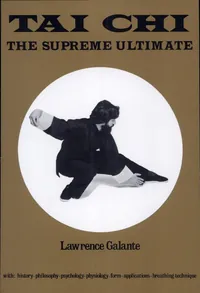
For those new to Tai Chi, starting with accessible overviews is crucial. 'Tai Chi by Lawrence Galante' offers a broad introduction to the art's principles and basic forms. 'The Chinese Art of T'ai Chi Ch'uan' by Howard Gibbon provides clear explanations suitable for newcomers. 'The Complete Book of Tai Chi Chuan' by Kiew Kit Wong covers fundamental exercises and theory in an understandable manner. 'Yang Tai Chi Chuan' by John Hine is another excellent starting point for understanding this popular style. 'The Art of Chi Kung' by Kiew Kit Wong also complements beginner Tai Chi study by focusing on energy cultivation.
Intermediate Reading
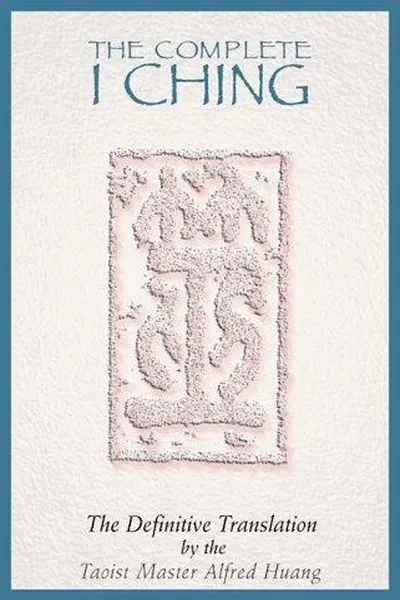
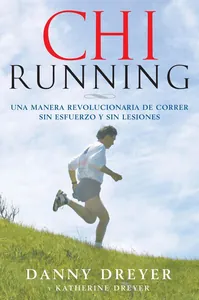
As practitioners gain experience, intermediate texts offer deeper insights into theory and application. 'The Theory and Practice of Taiji Qigong' by Chris Jarmey explores the energetic aspects and Qigong integration. 'Mastering Yang Style Taijiquan' by Zhongwen Fu provides detailed instruction on this specific lineage. 'Tʻai chi chʻuan and I ching' by Da Liu and its companion 'T'ai Chi Ch'uan and I Ching' by Liu Da explore the philosophical underpinnings connecting the art to the ancient Chinese text. 'Chi running' by Danny Dreyer and Katherine Dreyer offers a biomechanical approach applicable to Tai Chi movement.
Classical / Advanced Texts
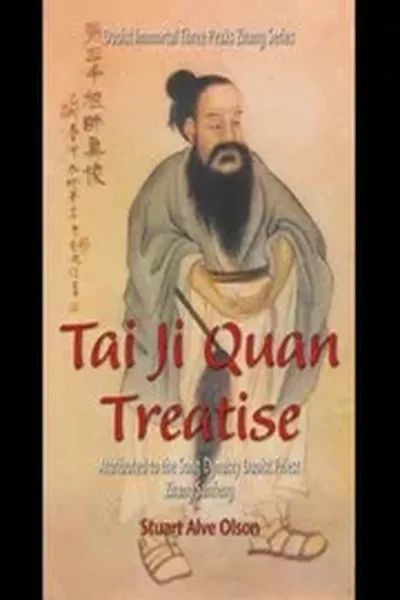
Serious students and advanced practitioners will benefit from engaging with primary source material and detailed analyses. 'Tai Ji Quan Treatise: Attributed to the Song Dynasty Daoist Priest Zhang Sanfeng' by Stuart Alve Olson presents a foundational historical text. 'Lost T'ai-chi Classics from the Late Ch'ing Dynasty' by Douglas Wile offers critical translations and historical context. 'Taijiquan' by Yang Yang and Scott A. Grubisich explores the art's deeper principles and practice. 'The Essence of Tai Chi Chi Kung' by Jwing-Ming Yang provides advanced instruction on internal cultivation.
Reading Order — Step by Step
Begin your Tai Chi journey with foundational texts. Weeks 1-4: Start with 'Tai Chi by Lawrence Galante' for an overview and 'The Chinese Art of T'ai Chi Ch'uan' by Howard Gibbon for basic movements. Month 2: Progress to 'Mastering Yang Style Taijiquan' by Zhongwen Fu to focus on a specific style, and 'The Theory and Practice of Taiji Qigong' by Chris Jarmey for energetic principles. Month 3+: Explore advanced concepts with 'Tai Ji Quan Treatise' by Zhang Sanfeng (Olson translation) and 'Lost T'ai-chi Classics' by Douglas Wile for historical depth. Simultaneously, integrate 'Tʻai chi chʻuan and I ching' by Da Liu for philosophical context.
Frequently Asked Questions
Which Tai Chi book should I read first?
For absolute beginners, 'Tai Chi by Lawrence Galante' or 'The Chinese Art of T'ai Chi Ch'uan' by Howard Gibbon are excellent starting points due to their clear introductions and foundational content.
Is Tai Chi a martial art or an exercise?
Tai Chi is both. It originated as a martial art, emphasizing self-defense applications, but is widely practiced today for its significant health and wellness benefits.
What is the difference between Tai Chi and Qigong?
Tai Chi is a specific form of Qigong that involves a sequence of slow, flowing movements. Qigong is a broader term for energy cultivation practices, which can include static postures, breathing exercises, and simpler movements.
Do I need to know martial arts to practice Tai Chi?
No, prior martial arts experience is not necessary. Tai Chi can be learned from scratch by anyone, regardless of their background, as books provide step-by-step guidance.
How does the I Ching relate to Tai Chi?
Texts like Da Liu's 'Tʻai chi chʻuan and I ching' explore the philosophical parallels between Tai Chi's principles of balance, change, and harmony and the wisdom found in the I Ching.
What is 'Pushing Hands'?
Pushing Hands (Tui Shou) is a partner exercise that teaches sensitivity, balance, and how to yield and redirect an opponent's force, building upon the principles learned in solo forms.
Are there different styles of Tai Chi?
Yes, there are several major styles, including Yang, Chen, Wu, and Hao. Yang style is the most widely practiced, and books like Zhongwen Fu's 'Mastering Yang Style Taijiquan' focus on specific lineages.
How long does it take to learn Tai Chi?
Learning the basic form can take months, but achieving proficiency and understanding the deeper principles is a lifelong journey. Consistent practice, guided by books and potentially instructors, is key.