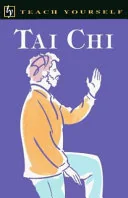
Tai Chi
 81
81

Tai Chi
Robert Parry's "Tai Chi" offers a clear and accessible introduction to a practice that has captivated Western audiences for decades. The book's strength lies in its direct approach to the Short Yang Form, providing step-by-step guidance that demystifies the sequence for newcomers. Parry manages to convey the essence of the practice without resorting to overly academic or esoteric jargon, a commendable feat given the subject. However, the book occasionally feels limited in its exploration of the deeper philosophical underpinnings that have historically informed Tai Chi's development. For instance, while the concept of Qi is mentioned, its connection to broader Taoist principles could have been more thoroughly expounded. Nevertheless, for those seeking a practical, illustrated guide to begin practicing the Short Yang Form and understand its immediate benefits for relaxation, this work is a solid starting point.
This book serves as a functional entry point for understanding and practicing the Short Yang Form.
📝 Description
81
Robert Parry's 1990 book examines Tai Chi as a practice integrating breath, mind, and body.
Originating in ancient China, Tai Chi is a system of slow, flowing movements intended for physical and mental cultivation. It is more than just exercise; it connects breath, mind, and body. The smooth transitions between postures help create a sense of calm awareness.
This practice suits people of all ages and fitness levels. Its gentle nature is good for those wanting to reduce stress, improve balance, and feel better without high-impact activities. Beginners interested in Eastern ways and experienced practitioners seeking a stable form will find value here.
Tai Chi Chuan, or 'Great Ultimate Fist,' came from Chinese martial arts traditions centuries ago. It later became known for its health benefits. While its martial roots are significant, its spread in the West often highlights its therapeutic and meditative aspects. Specific forms, such as the Yang style's Short Form, were developed over many generations.
Tai Chi Chuan fits within Taoist traditions that emphasize harmony with natural principles. The focus on 'Qi' aligns with concepts of vital life force found in many Eastern spiritual paths. The practice seeks to cultivate internal balance and stillness, reflecting a broader esoteric interest in mind-body connection for spiritual development. Its emphasis on yielding and softness as strengths relates to Taoist ideas of wu wei, or effortless action.
💡 Why Read This Book?
• Learn the Short Yang Form: Gain practical, step-by-step instructions for a specific 8-minute sequence, enabling you to begin daily practice immediately after reading. • Understand Core Principles: Grasp fundamental concepts like the flow of Qi and the importance of yielding in movement, as outlined in the book's foundational sections. • Discover Relaxation Techniques: Explore how the slow, deliberate movements, detailed in the exercise instructions, can cultivate daily relaxation and increase physical levity.
⭐ Reader Reviews
Honest opinions from readers who have explored this book.
❓ Frequently Asked Questions
When was Robert Parry's book on Tai Chi first published?
Robert Parry's "Tai Chi" was first published in 1997, introducing his practical approach to the Short Yang Form to a wider audience.
What is the Short Yang Form mentioned in the book?
The Short Yang Form is a specific sequence of Tai Chi movements detailed in Robert Parry's book, designed to be learned and practiced within approximately eight minutes.
Is Tai Chi suitable for beginners?
Yes, the book emphasizes that Tai Chi movements are suitable for all ages and fitness levels due to their slow, graceful, and gentle nature.
What are the main benefits of practicing Tai Chi daily according to the book?
Daily practice is presented as promoting relaxation, enhancing overall well-being, and increasing physical levity, as explained through the practice of the Short Yang Form.
Does the book explain the origins of Tai Chi?
The book touches upon Tai Chi's centuries-old Chinese origins and its increasing popularity in the West, framing its practice within a historical context.
What makes Robert Parry's approach to Tai Chi unique?
Parry's approach focuses on a richly illustrated, step-by-step guide to learning the Short Yang Form, making the practice accessible and practical for Western readers.
🔮 Key Themes & Symbolism
Mind-Body Integration
The work emphasizes the profound connection between mental focus and physical execution in Tai Chi. It illustrates how the deliberate, flowing movements require and cultivate a unified state of mind and body. This integration is presented not just as a physical benefit but as a pathway to internal harmony, where conscious intention guides each posture and transition, fostering a sense of wholeness often sought in esoteric practices.
Cultivation of Qi
Central to the practice described is the concept of Qi, or vital energy. The book explains how the continuous, yielding movements of Tai Chi are designed to facilitate the smooth circulation of Qi throughout the body. This energetic flow is understood as crucial for health and vitality, aligning with traditional Chinese medicine and Taoist principles that view imbalances in Qi as the root of disharmony.
Accessibility and Well-being
Parry highlights Tai Chi's suitability for all individuals, irrespective of age or physical condition. The focus on gentle, low-impact exercises like the Short Yang Form makes it an accessible entry point for those seeking stress reduction and improved well-being. This democratized approach to a profound practice underscores its potential for widespread application in fostering a more balanced and serene existence.
The Short Yang Form
This specific sequence serves as the practical core of the book. It is presented as an eight-minute routine that expresses the fundamental principles of Tai Chi. The detailed, illustrated instructions for this form are designed to empower readers to engage directly with the practice, offering a tangible method for experiencing its physical and mental benefits firsthand.
💬 Memorable Quotes
Direct passages from the work, attributed to the author.
“The movements flow into one another in a slow, graceful pattern.”
— This describes the essential characteristic of Tai Chi, emphasizing its fluidity and aesthetic quality, which are key to its practice and meditative effects.
“Suitable for all ages and levels of fitness.”
— Highlights the inclusive nature of Tai Chi, making it accessible to a broad audience seeking its benefits without physical barriers.
“Contains step-by-step instructions for learning the Short Yang Form.”
— Indicates the practical, instructional focus of the book, providing readers with a clear method to learn a specific sequence of movements.
“Daily practice promotes relaxation and well-being.”
— This points to the therapeutic outcomes of consistent engagement with Tai Chi, underscoring its role in stress reduction and general health.
“Increases levity.”
— Suggests a benefit beyond mere relaxation, implying an improvement in physical lightness and ease of movement through practice.
🌙 Esoteric Significance
Tradition
Tai Chi Chuan, while rooted in martial arts, aligns closely with Taoist philosophy, a core part of many esoteric traditions. Its principles of yielding, balance, and the cultivation of internal energy (Qi) directly reflect Taoist concepts of harmony with the natural order (the Tao). Parry's work, by focusing on the practical application of the Short Yang Form, serves as an accessible gateway into these principles for those outside traditional Eastern religious contexts.
Symbolism
Within the practice, the concept of the 'Great Ultimate' (Taiji) symbolizes the interplay of Yin and Yang, the fundamental dualities that govern the universe. The flowing, circular movements themselves represent this constant, dynamic balance. The posture of 'Cloud Hands', for instance, embodies fluidity and adaptation, symbolizing the ability to respond gracefully to changing circumstances, mirroring the esoteric ideal of moving in accordance with cosmic flow.
Modern Relevance
Contemporary practices emphasizing mindfulness, somatic awareness, and stress reduction often draw inspiration from Tai Chi's principles. Thinkers and practitioners in fields ranging from sports psychology to contemplative neuroscience find value in its methodical approach to integrating mind and body. Schools dedicated to internal martial arts and energy cultivation continue to study and adapt forms like the Yang style, demonstrating its enduring influence on modern esoteric and wellness movements.
👥 Who Should Read This Book
• Individuals new to Eastern practices: Those seeking a gentle, accessible introduction to the physical and meditative aspects of Chinese movement arts. • Health-conscious readers: People looking for low-impact exercises to improve balance, reduce stress, and enhance overall well-being without rigorous physical demands. • Students of comparative philosophy: Readers interested in understanding the practical application of Taoist principles like Qi and Yin/Yang balance through embodied movement.
📜 Historical Context
Published in 1997, Robert Parry's "Tai Chi" entered a Western landscape already familiar with the practice, yet often viewing it primarily through a lens of gentle exercise. The late 20th century saw a surge in interest in alternative health and Eastern philosophies, with Tai Chi gaining prominence alongside practices like Yoga and Qi Gong. While scholars like Benjamin Hoff were popularizing Taoist concepts through works like "The Tao of Pooh" (1982), Parry's book focused on the practical application of a specific form. This era was marked by a growing appreciation for embodied practices that promised stress relief and holistic well-being, moving beyond purely intellectual engagement with Eastern thought. The reception of Tai Chi during this period was largely positive, with its gentle nature making it a favored option for individuals seeking low-impact fitness and mental calm, distinguishing it from more rigorous martial arts.
📔 Journal Prompts
The Short Yang Form's eight-minute duration.
The concept of Qi circulation.
The practice of yielding in movement.
The accessibility for all ages and fitness levels.
The blend of relaxation and physical levity.
🗂️ Glossary
Tai Chi Chuan
Literally 'Great Ultimate Fist,' a system of ancient Chinese martial arts practiced for both defense training and health benefits, characterized by slow, flowing movements.
Qi
The vital life force or energy believed to flow through all living things in traditional Chinese medicine and philosophy.
Short Yang Form
A specific, abbreviated sequence of Tai Chi movements derived from the Yang style, designed for efficient practice and learning.
Levity
In this context, refers to a feeling of lightness, ease, and buoyancy in the body, often achieved through balanced and flowing movement.
Yin and Yang
The fundamental Taoist concept of complementary, interconnected opposites (e.g., passive/active, dark/light) whose dynamic balance governs the universe.
Taoism
An ancient Chinese philosophy and religion emphasizing living in harmony with the Tao, the natural order of the universe.
Posture
A specific physical position or stance adopted during the practice of Tai Chi.
This book appears in 1 collection
🔮 Readers Also Liked
Browse all →







From the “Tai Chi” Collection
View all →








More Free Occult Philosophy Books
View all →