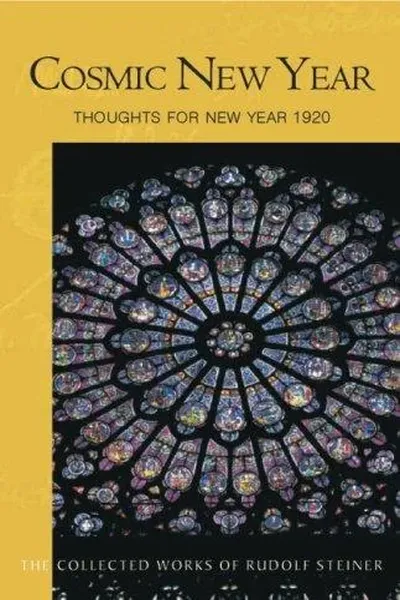
Christianity as Mystical Fact, and the Mysteries of Antiquity

 69
69

Christianity as Mystical Fact, and the Mysteries of Antiquity



Rudolf Steiner's 'Christianity as Mystical Fact, and the Mysteries of Antiquity' is a profound and thought-provoking exploration of the mystical dimensions of Christianity. Steiner's ability to weave together historical context, spiritual insight, and philosophical depth makes this book an invaluable resource for modern esoteric seekers. The text is particularly strong in its analysis of how ancient mysteries are reflected in Christian teachings, providing a fresh perspective on the universal truths that underlie different religious traditions. Steiner's writing is both intellectually stimulating and spiritually enriching, making it a must-read for anyone interested in the mystical aspects of religion. The book's enduring relevance lies in its ability to bridge the gap between ancient wisdom and contemporary spiritual inquiry. For modern readers, this text offers a unique opportunity to deepen their understanding of Christianity and its esoteric roots.
📝 Description
69
Rudolf Steiner published 'Christianity as Mystical Fact' in 1902, arguing for Christianity's esoteric roots.
Rudolf Steiner's 1902 work, 'Christianity as Mystical Fact, and the Mysteries of Antiquity,' examines Christianity not merely as a historical religion, but as a living, spiritual phenomenon. Steiner posits that the core events and figures of Christianity possess a hidden, mystical dimension accessible through spiritual perception. He connects this to earlier mystery traditions of antiquity, suggesting a continuity of spiritual knowledge. The book addresses the incarnation of the Christ Being, its significance for human evolution, and the spiritual realities behind the historical narrative.
Steiner presents a view of Christ's life and death as a cosmic event with far reaching consequences for the spiritual development of humanity. He contrasts this esoteric understanding with the exoteric, or outward, presentation of Christianity. The work aims to awaken in the reader a direct spiritual apprehension of these truths, moving beyond intellectual assent to a lived experience of the spiritual world. It is a call to recognize the Christ impulse as a central force in the spiritual evolution of Earth and humanity.
This book is situated within the Anthroposophical movement, founded by Steiner, which seeks to understand spiritual realities through a developed human faculty of perception. It draws upon traditions like Gnosticism, Neoplatonism, and Rosicrucianism, reinterpreting their symbolic language through an Anthroposophical lens. Steiner's work aims to show how the advent of Christ represents a unique intervention in cosmic and human evolution, fulfilling earlier spiritual impulses and initiating new ones for the development of individual consciousness.
✍️ Author
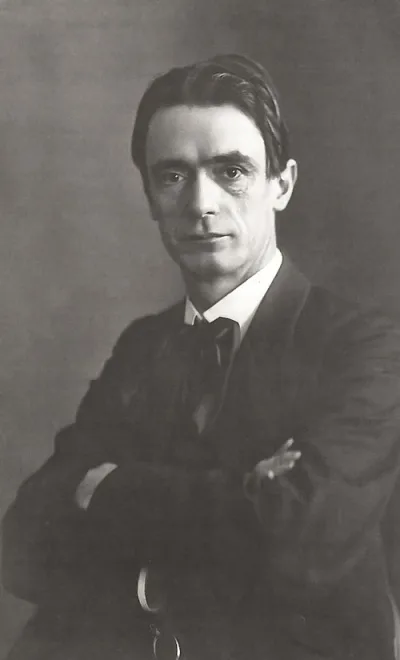
Steiner, Rudolf
Rudolf Steiner was an Austrian philosopher, esotericist, and social reformer, known for founding anthroposophy.
Occultist
💡 Why Read This Book?
Reading 'Christianity as Mystical Fact, and the Mysteries of Antiquity' today offers readers a unique opportunity to explore the mystical dimensions of Christianity and its connections to ancient religious traditions. This book provides valuable insights into the universal truths that underlie different religious beliefs, making it an essential read for spiritual seekers and theologians alike. By delving into Steiner's profound analysis, readers can gain a deeper understanding of the mystical foundations of Christianity and how they relate to other esoteric traditions. This text is a gateway to a richer, more mystical understanding of religion.
⭐ Reader Reviews
Honest opinions from readers who have explored this book.
❓ Frequently Asked Questions
Who is the intended audience for this book?
The book is intended for spiritual seekers, theologians, and anyone interested in the mystical and esoteric dimensions of Christianity and other religions.
What makes this book relevant today?
Steiner's exploration of the mystical foundations of Christianity offers contemporary readers a fresh perspective on the universal truths that underlie different religious traditions.
How does this book differ from other works on Christianity?
Unlike many other works, this book focuses on the mystical and esoteric aspects of Christianity, providing a deeper understanding of its connections to ancient religious mysteries.
🔮 Key Themes & Symbolism
Mystical Foundations of Christianity
Steiner explores the hidden mystical underpinnings of Christianity, revealing how ancient spiritual traditions influence modern religious practices. This theme highlights the esoteric dimensions of faith, offering a deeper understanding of the spiritual essence of Christianity.
Ancient Mysteries and Modern Religion
The book explores the connection between ancient mystical traditions and modern religion, providing a unique perspective on the universal truths that underlie all spiritual paths. Steiner's insights bridge the gap between ancient wisdom and contemporary thought, making this theme particularly relevant for seekers of spiritual enlightenment.
Symbolism and Hidden Knowledge
Steiner's meticulous exploration of symbolism and hidden knowledge is a central theme in this book. By explaining complex mystical concepts, Steiner makes them accessible to a wider audience, enriching their understanding of the esoteric dimensions of faith.
💬 Memorable Quotes
Direct passages from the work, attributed to the author.
“Symbolism is the language of the soul, revealing hidden truths to those who seek them.”
— Steiner's exploration of symbolism highlights its role in uncovering the deeper meanings of spiritual traditions.
“Ancient mysteries hold the secrets to the universal truths that underlie all spiritual paths.”
— Steiner's work reveals the enduring relevance of ancient wisdom in modern spiritual seekers' journeys.
💡 Key Ideas
Editorial paraphrase of the work's core concepts — not direct quotes.
The mysteries of antiquity are the keys to understanding the spiritual essence of Christianity.
This quote underscores Steiner's belief in the interconnectedness of ancient wisdom and modern faith.
The mystical dimensions of Christianity offer a pathway to spiritual enlightenment.
This quote emphasizes the transformative power of Steiner's insights into the esoteric aspects of faith.
The hidden knowledge of the mysteries provides a deeper understanding of the spiritual essence of Christianity.
This quote highlights the importance of esoteric insights in enriching one's spiritual practice.
🌙 Esoteric Significance
Tradition
This book belongs to the esoteric tradition of Anthroposophy, which seeks to reveal the spiritual dimensions of human experience. Steiner's work is deeply rooted in Hermetic and Gnostic traditions, offering a mix of ancient wisdom and modern spiritual inquiry.
Symbolism
Key symbols in this book include the mystical rose, the sacred geometry of the cross, and the archetypal figures of ancient mysteries. These symbols are interpreted to reveal hidden truths and spiritual insights, enriching the reader's understanding of the esoteric dimensions of faith.
Modern Relevance
Steiner's insights remain relevant today, particularly for spiritual seekers and practitioners of esoteric traditions. Modern practitioners use this book to deepen their understanding of the mystical foundations of Christianity and to explore the universal truths that underlie all spiritual paths.
👥 Who Should Read This Book
Beginners interested in the mystical dimensions of Christianity will find this book an accessible introduction to esoteric concepts. Scholars of religious studies will appreciate Steiner's meticulous exploration of hidden knowledge and symbolism. Spiritual seekers will benefit from the deeper understanding of the spiritual essence of Christianity, while practitioners of esoteric traditions will find valuable insights into the ancient mysteries that influence modern faith.
📜 Historical Context
Written in the early 20th century, 'Christianity as Mystical Fact, and the Mysteries of Antiquity' emerged during a time of significant spiritual and intellectual ferment. Rudolf Steiner's work was key in bridging the gap between ancient mystical traditions and modern thought, providing a unique perspective on the spiritual dimensions of Christianity. The book's influence can be seen in the development of Theosophy and Anthroposophy, as well as in the broader esoteric literature of the era.
📔 Journal Prompts
Reflect on the mystical foundations of your own faith and how they connect to ancient spiritual traditions.
Explore the symbolism in your spiritual practice and its role in revealing hidden truths.
Consider the universal truths that underlie all spiritual paths and how they manifest in your life.
How do the ancient mysteries influence your understanding of modern religion?
What insights from Steiner's work can enrich your spiritual journey?
🗂️ Glossary
Anthroposophy
A spiritual philosophy developed by Rudolf Steiner, emphasizing the spiritual dimensions of human experience and the interconnectedness of ancient wisdom and modern thought.
Esoteric
Relating to knowledge that is meant for a small group of people with specialized knowledge of arcane subjects.
Mysticism
A belief in the possibility of union with the divine, often through direct experience or ecstatic states.
Symbolism
The use of symbols to represent ideas or qualities, often in a mystical or esoteric context.
Gnosticism
An ancient religious movement emphasizing secret knowledge and the dualistic struggle between the material and spiritual worlds.
This book appears in 2 collections
🔮 Readers Also Liked
Browse all →







More by Steiner, Rudolf
All books →



From the “Theosophy” Collection
View all →






More Free Theosophy & Anthroposophy Books
View all →