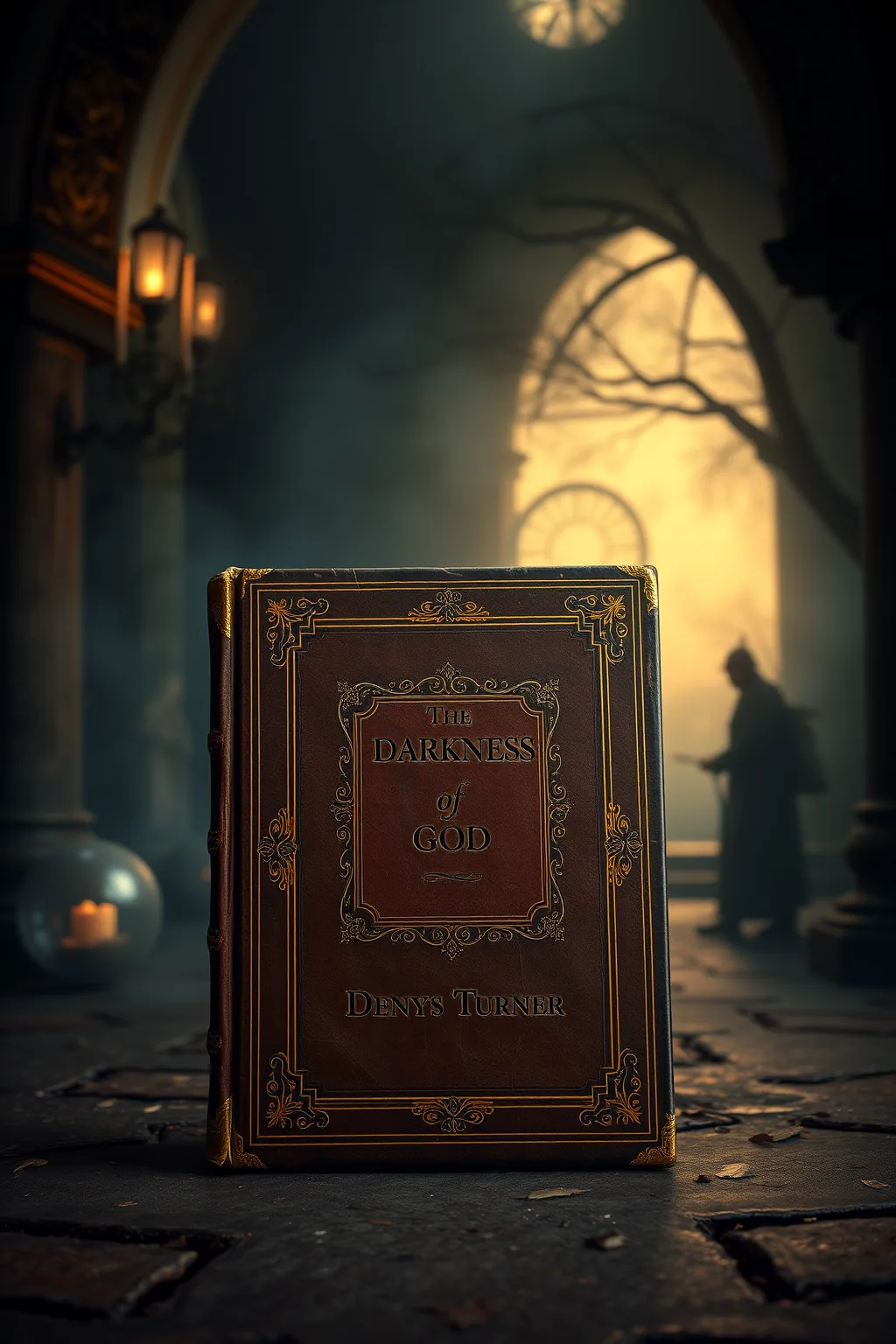
The darkness of God
 69
69

The darkness of God



Review by Evander Ashcroft (Alchemy & Hermeticism Editor) — Denys Turner's The Darkness of God is a masterful exposition on the occult and mystical dimensions of Christian thought. Turner's esoteric insights are both profound and accessible, making this book a must-read for scholars and practitioners of alchemy and hermeticism. The strength of this work lies in its ability to bridge ancient mystical traditions with contemporary philosophical inquiry. Turner's exploration of negativity and the hidden knowledge within Christian mysticism offers a unique perspective that is both enlightening and thought-provoking. Ideal for those seeking to deepen their understanding of the divine through the lens of esoteric wisdom.
📝 Description
69
Denys Turner's 2005 book, The Darkness of God, examines Christian theology through an esoteric lens.
Denys Turner's The Darkness of God examines the mystical and occult dimensions within Christian theology. The book focuses on the enigmatic aspects of divinity, suggesting that absence of light can reveal hidden truths. Turner uses symbolism and esoteric wisdom to encourage readers to consider deeper mysteries of faith and spirituality. The tone fosters contemplative introspection, appealing to those seeking hidden knowledge or studying mystical traditions.
The work challenges conventional understandings of the divine. It prompts readers to think about the role of negativity in spiritual enlightenment. This book is recommended for individuals interested in the connections between Christianity, Neoplatonism, and hermetic arts.
This book engages with traditions that explore the divine beyond conventional anthropomorphic or purely luminous descriptions. It touches on concepts found in negative theology, where God is understood through what God is not, and in mystical practices that seek divine encounter through darkness or apophatic approaches. The influence of Neoplatonism, with its concept of the One as beyond being, and hermeticism, which often uses symbolic language to access hidden realities, informs this exploration of the 'darkness' of God.
💡 Why Read This Book?
Read The Darkness of God to uncover the hidden layers of Christian mysticism and its connection to alchemy and hermeticism. This book is ideal for seekers of spiritual enlightenment, scholars of religious history, and practitioners of occult arts. Turner's exploration of negativity and the divine provides a fresh and compelling perspective on ancient wisdom, making it a valuable addition to any esoteric library.
⭐ Reader Reviews
Honest opinions from readers who have explored this book.
❓ Frequently Asked Questions
What is the main theme of The Darkness of God?
The main theme is the exploration of the mystical and occult dimensions of Christian theology, particularly the concept of divine negativity and hidden knowledge.
Who is the intended audience for this book?
The intended audience includes scholars of religious history, practitioners of alchemy and hermeticism, and spiritual seekers interested in the esoteric aspects of Christianity.
What makes this book unique?
The Darkness of God stands out for its deep dive into the negativity within Christian mysticism, bridging ancient traditions with contemporary philosophical inquiry.
How does Turner approach the subject matter?
Turner weaves a rich tapestry of symbolism and esoteric wisdom, inviting readers to ponder the deeper mysteries of faith and spirituality through contemplative introspection.
Is this book suitable for beginners?
While the book is accessible, it is best suited for those with some background in Christian mysticism, alchemy, or hermeticism due to its complex subject matter.
🔮 Key Themes & Symbolism
Divine Negativity
Turner studies the concept of divine negativity, where the absence of light reveals hidden truths about the nature of God. This theme challenges conventional understandings of divinity and invites readers to consider the profound mysteries that lie beneath the surface of spiritual enlightenment.
Esoteric Wisdom
The book is rich with esoteric wisdom, drawing from alchemical and hermetic traditions to provide a deeper understanding of Christian mysticism. Turner's exploration of symbolism and hidden knowledge offers a unique perspective on ancient wisdom and its relevance in modern times.
Mystical Contemplation
The Darkness of God encourages readers to engage in contemplative introspection, pondering the deeper mysteries of faith and spirituality. This theme is central to the book's atmosphere, making it an ideal read for seekers of spiritual enlightenment and practitioners of occult arts.
💬 Memorable Quotes
Direct passages from the work, attributed to the author.
“Negativity is the path to the divine.”
— Turner suggests that embracing the absence and void can lead to a deeper understanding of the divine nature.
“The hermetic arts reveal the secrets of the divine.”
— Turner's work often references alchemy and hermeticism, emphasizing their role in uncovering the mysteries of God.
💡 Key Ideas
Editorial paraphrase of the work's core concepts — not direct quotes.
The darkness of God is the light of the soul.
This quote underscores the idea that true spiritual enlightenment often comes from exploring the hidden, mysterious aspects of divinity.
Hidden knowledge is the key to mystical enlightenment.
This line highlights the importance of seeking out and understanding esoteric wisdom in the pursuit of spiritual growth.
Contemplation leads to the revelation of divine truth.
This quote emphasizes the need for deep, reflective thought in order to grasp the profound mysteries of faith and spirituality.
🌙 Esoteric Significance
Tradition
The Darkness of God belongs to the hermetic and alchemical traditions, drawing from the esoteric wisdom of these ancient practices to provide a deeper understanding of Christian mysticism. Turner's exploration of symbolism and hidden knowledge is central to the book's esoteric significance.
Symbolism
Key symbols in the book include the concepts of light and darkness, negativity, and hidden knowledge. These symbols are used to explore the deeper mysteries of divinity and spirituality, inviting readers to ponder the profound truths that lie beneath the surface.
Modern Relevance
The Darkness of God remains relevant today as it offers a unique perspective on ancient mystical traditions. Modern practitioners of alchemy, hermeticism, and Christian mysticism continue to draw from Turner's insights, using them to deepen their understanding of the divine.
👥 Who Should Read This Book
Beginners may find the book challenging due to its complex subject matter, but it is an excellent resource for scholars of religious history and spiritual seekers. Practitioners of alchemy and hermeticism will find Turner's exploration of symbolism and hidden knowledge particularly enlightening. Those interested in the intersections of Christianity, Neoplatonism, and the occult will also benefit from this profound and thought-provoking work.
📜 Historical Context
The Darkness of God was written in an era where there was a renewed interest in the mystical and esoteric dimensions of Christianity. Denys Turner's work is significant because it bridges ancient traditions with contemporary philosophical inquiry, making it a crucial text for understanding the evolution of Christian thought. The book's influence can be seen in modern studies of alchemy, hermeticism, and Neoplatonism, as it offers a fresh perspective on these ancient practices.
📔 Journal Prompts
Reflect on the concept of divine negativity. How does it challenge your understanding of spirituality?
Consider the role of symbolism in Christian mysticism. What hidden truths might be revealed through contemplation?
Explore the idea of hidden knowledge in spiritual enlightenment. How can seeking out esoteric wisdom deepen your faith?
Think about the intersection of alchemy and Christianity. How do these ancient practices inform your understanding of the divine?
Reflect on the importance of contemplative introspection in spiritual growth. How can deep, reflective thought lead to a deeper understanding of faith?
🗂️ Glossary
Divine Negativity
The concept that the absence of light and presence of void can reveal hidden truths about the nature of God.
Esoteric Wisdom
Hidden knowledge that is revealed through the study of mystical and occult traditions.
Hermeticism
An ancient philosophical and spiritual tradition that focuses on the pursuit of hidden knowledge and the mysteries of the divine.
Alchemy
An ancient practice that combines elements of chemistry, mysticism, and spirituality, aiming to transform base materials into gold and achieve spiritual enlightenment.
Neoplatonism
A philosophical tradition that builds on the ideas of Plato, focusing on the nature of reality, the divine, and the soul.
This book appears in 7 collections
🔮 Readers Also Liked
Browse all →








From the “Christian Mysticism” Collection
View all →






More Free Alchemy & Hermeticism Books
View all →