Elias Hershey Sneath
Elias Hershey Sneath co-authored 'Chinese Fables and Folk Stories,' a significant early English compilation of Chinese tales.
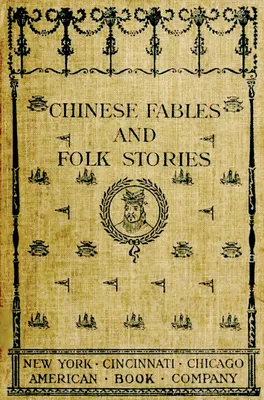
Elias Hershey Sneath was a co-author of "Chinese Fables and Folk Stories," published in 1908. This collection, featuring 37 tales with illustrations by unnamed Chinese artists, was presented as the first English-language book of Chinese fables. The work was notable for being compiled before the rise of vernacular Chinese and the New Culture Movement, a time when classical Chinese dominated written discourse and oral narratives were not widely studied. The book aimed to offer Western readers a glimpse into Chinese thought through its folklore.
Despite some criticism regarding the sourcing and potential Western influence on the tales, "Chinese Fables and Folk Stories" was recognized by scholars as a relatively reliable compilation for its time. It predated more systematic folkloric studies in China and was acknowledged for its contribution to making Chinese oral traditions accessible to a Western audience. The book gained popularity, serving as a supplemental reader in schools and having individual stories republished in other educational materials. Elias Hershey Sneath's involvement, alongside collaborators Mary Hayes Davis and Chow-Leung, marked an early effort to bridge cultural understanding through translated folklore.
Compilation and Historical Significance
Published in 1908, "Chinese Fables and Folk Stories" was a pioneering collection of 37 tales presented as the first English compilation of Chinese fables. Co-authored by Mary Hayes Davis and Chow-Leung, the book appeared at a time when classical Chinese was the standard for educated elites, and the study of oral narratives was not yet established in China. The collection aimed to provide a window into Chinese thought and culture for Western readers, a goal supported by an introduction from Wang Tsen-Zan of the University of Chicago. Wang noted that Chinese fables had remained untranslated due to their scattered nature in classical texts and the inaccessibility of the traditional written language to foreigners. The book's illustrations were attributed to unnamed Chinese artists.
Scholarly Reception and Development
Folklore scholar Nai-tung Ting, writing in 1975, identified "Chinese Fables and Folk Stories" as an exception among early Western collections of Chinese narratives. He contrasted it with other works that often conflated folk literature with imitations, deeming Davis and Chow Leung's compilation one of the most reliable contributions by Western scholars before 1937. Ting based this assessment on the correspondence between the collected tales and those later documented by modern Chinese oral folklorists. The book originated from Mary Hayes Davis, a journalist, who collaborated with Reverend Chow-Leung, a Chinese missionary and language teacher in Chicago. Chow-Leung narrated the stories to Davis, who had also acquired some knowledge of Chinese.
Critical Review and Enduring Influence
Upon its release, "Chinese Fables and Folk Stories" was described in the press as "curious" and "delightful," offering insights into the "Oriental mind." The collaboration between a "Saxon compiler" and a "Chinese compiler" was noted positively. However, some critics, like folklorist A. R. Wright, questioned the lack of source attribution and suggested some tales might be retellings of Western stories. The book's illustrations were also noted as possibly adapted for Western tastes. Despite these critiques, the collection was recognized for its potential to introduce Chinese perspectives to a Western audience, fostering a sense of connection. By 1911, it was used as a supplemental reader in Chicago public schools, and its stories continued to be featured in educational publications for years, highlighting its lasting impact on introducing Chinese folklore to English-speaking children.
Key Ideas
- The importance of translating and disseminating folk tales to foster cross-cultural understanding.
- The challenges and significance of early attempts to document and share Chinese oral traditions with a Western audience.
- The role of folklore in offering insights into a culture's thought, ideals, and daily life.
Books by Elias Hershey Sneath
2 free public domain books · Read online or download