The Witchcraft Delusion in New England: Its Rise, Progress, and Termination, (Vol. 1 of 3)
 70
70

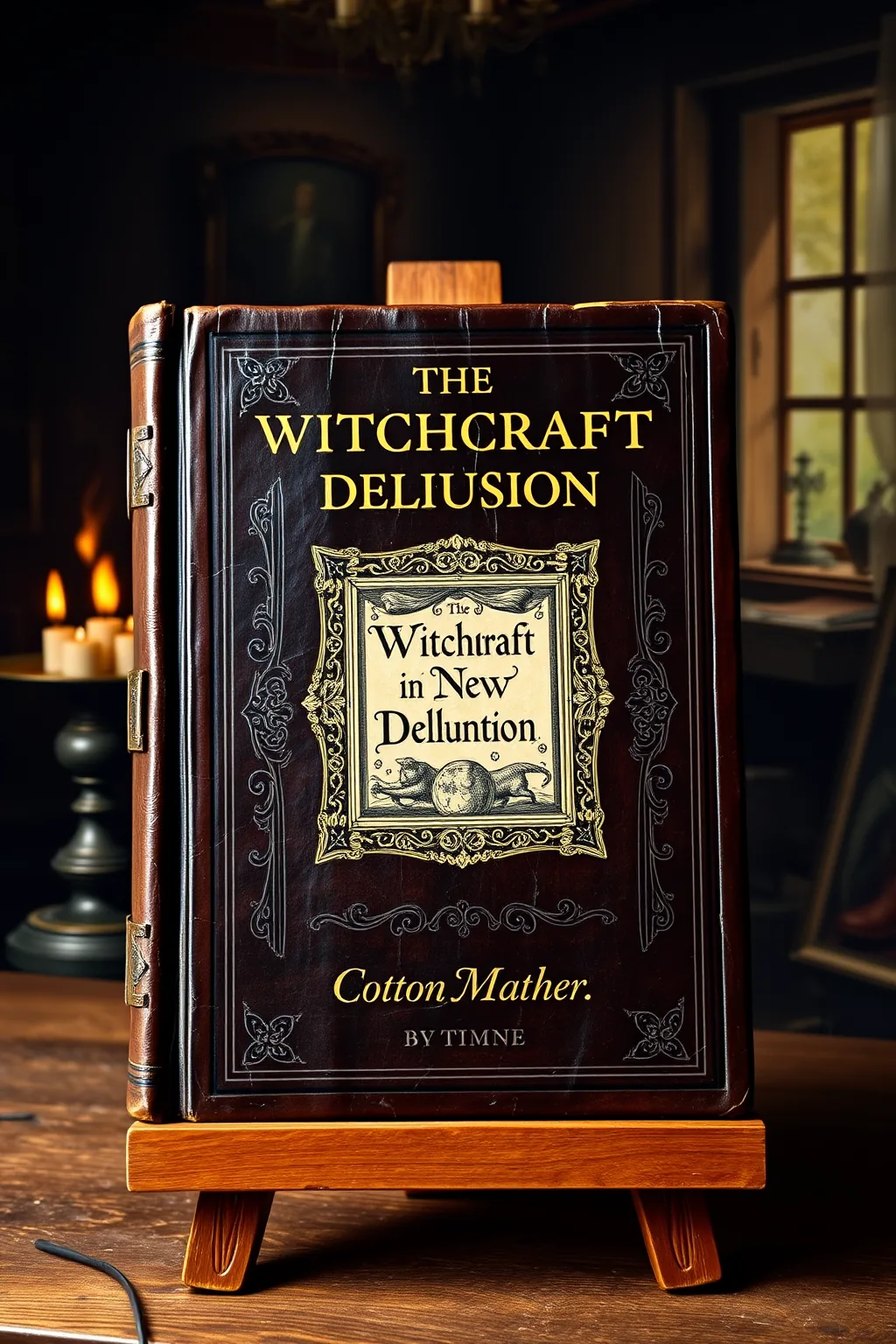
The Witchcraft Delusion in New England: Its Rise, Progress, and Termination, (Vol. 1 of 3)


Cotton Mather's The Witchcraft Delusion in New England offers a profound and enlightening look into the darkest chapters of early American history. For modern esoteric seekers, this text is a treasure trove of insights into the beliefs and fears that shaped the colonial mind. Mather's detailed accounts of the witch trials provide a vivid portrait of a society gripped by superstition and paranoia. His narrative style, though dated, is rich with historical detail and personal anecdotes that bring the events to life. The book's value lies in its ability to shed light on the cultural and religious dynamics that led to the persecution of alleged witches. For those interested in the occult and paganism, this text serves as a cautionary tale about the dangers of unchecked belief and the importance of critical thinking. The Witchcraft Delusion in New England is a five-star read for anyone seeking a deeper understanding of the esoteric and occult history of New England.
📝 Description
70
Cotton Mather published 'The Witchcraft Delusion in New England' in 1862, detailing the region's notorious witch trials.
This first volume of Cotton Mather's work examines the witchcraft scares that gripped colonial New England. Mather, a prominent Puritan minister, meticulously documented the events, accusations, and trials that characterized this period. He sought to understand the causes and progression of what he termed a 'delusion,' exploring the societal fears and religious beliefs that fueled the hysteria.
The book offers a close look at the Salem Witch Trials, among other incidents, presenting contemporary accounts and Mather's own interpretations. It reflects the theological and social climate of 17th-century Puritanism, where the presence of the Devil and his influence were taken very seriously. Mather's writing provides insight into the mindset of the era, dissecting the perceived mechanisms of witchcraft and the legal and religious responses to it.
Cotton Mather's treatise emerges from a long tradition of Christian demonology and theological discourse on the supernatural. His work is situated within a period where belief in witchcraft was widespread among both the populace and educated elites. While Mather aimed to explain the events as a 'delusion,' his detailed accounts and theological framework engage directly with concepts of spiritual warfare, demonic influence, and the perceived reality of occult forces, common themes in esoteric Christian thought of the era.
✍️ Author
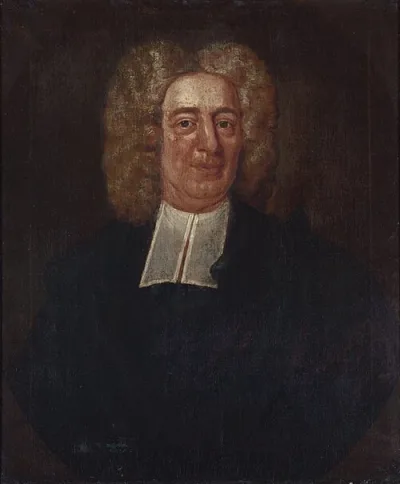
Mather, Cotton
Puritan minister and author, Cotton Mather wrote extensively on theology, history, and science.
💡 Why Read This Book?
Reading The Witchcraft Delusion in New England today offers a unique opportunity to explore the roots of superstition and paranoia that have shaped American history. This book provides valuable insights into the cultural and religious dynamics of colonial New England, making it an essential read for anyone interested in the occult, witchcraft, and paganism. By understanding the past, readers can gain a deeper appreciation for the importance of rational inquiry and the dangers of unchecked belief. This text is a must-read for historians, cultural anthropologists, and esoteric seekers alike.
⭐ Reader Reviews
Honest opinions from readers who have explored this book.
❓ Frequently Asked Questions
Is this book suitable for beginners in the study of witchcraft and the occult?
Yes, this book is an excellent starting point for beginners. It provides a comprehensive overview of the historical context and key events related to witchcraft in New England.
What makes Cotton Mather's account unique?
Cotton Mather's account is unique because it offers a firsthand perspective from a prominent Puritan minister who was directly involved in the events he describes.
How does this book contribute to the study of paganism?
This book contributes to the study of paganism by exploring the religious and cultural dynamics that led to the persecution of alleged witches, providing insights into the fears and beliefs of the time.
🔮 Key Themes & Symbolism
Hidden Knowledge
Mather's work unveils the hidden knowledge that drove the Salem Witch Trials, revealing the occult beliefs and practices of the era. This theme is crucial for understanding the mystical forces that shaped colonial society.
Symbolism and Ritual
The book explores the symbolism and rituals associated with witchcraft, offering insights into the esoteric practices that were feared and revered in colonial New England.
Fear and Superstition
Mather explores the deep-seated fears and superstitions that led to the witchcraft delusion, providing a philosophical examination of the power of belief and the dangers of unchecked superstition.
💬 Memorable Quotes
Direct passages from the work, attributed to the author.
“The witchcraft delusion reveals the darkest recesses of the human mind.”
— Mather's work explores the psychological factors that drove the witchcraft trials, offering clear insights into human nature.
“The power of belief can shape the collective consciousness.”
— This theme is central to Mather's work, offering a philosophical examination of the power of belief and its dangers.
💡 Key Ideas
Editorial paraphrase of the work's core concepts — not direct quotes.
The fear of the unknown often leads to the persecution of the innocent.
This line underscores the dangerous power of superstition and fear in shaping societal behavior.
Symbolism and ritual are the language of the occult.
This quote highlights the importance of understanding esoteric symbols and rituals in the study of witchcraft.
The line between reality and the supernatural is often blurred by fear.
Mather's exploration of the Salem Witch Trials illustrates the perilous thinness of this line in times of great superstition.
🌙 Esoteric Significance
Tradition
This book belongs to the Hermetic tradition, exploring the hidden knowledge and symbolism that permeated the Salem Witch Trials. It explores the mystical forces that shaped colonial society, offering insights into the occult beliefs and practices of the time.
Symbolism
Key symbols in the book include the witch's mark, the devil's compact, and the use of ritual in witchcraft. These symbols are explored in depth, revealing their esoteric meanings and significance in the context of the trials.
Modern Relevance
This book remains relevant today for practitioners and scholars of witchcraft, as it offers a historical context for understanding the occult forces that drive societal delusions. Modern practitioners can draw on Mather's insights to deepen their understanding of the mystical and the esoteric.
👥 Who Should Read This Book
Beginners in the field of occult studies will find this book enlightening, as it provides a comprehensive introduction to the mystical themes and symbols of the Salem Witch Trials. Scholars of witchcraft will appreciate the detailed historical context and esoteric insights. Spiritual seekers will be drawn to the philosophical examination of the power of belief and the dangers of unchecked superstition. Practitioners of witchcraft will find valuable information on the rituals and symbolism associated with the trials.
📜 Historical Context
Written in the aftermath of the Salem Witch Trials, 'The Witchcraft Delusion in New England' provides a contemporary account of the events that shook colonial society. The book was important at the time as it sought to understand and document the occult forces that drove the trials, offering a historical context for the mystical and esoteric beliefs of the era. Its influence can be seen in the ongoing fascination with the Salem Witch Trials and the study of witchcraft in America.
📔 Journal Prompts
Reflect on the role of fear in shaping societal behavior during the Salem Witch Trials.
Consider the significance of symbolism and ritual in the practice of witchcraft.
Explore the philosophical implications of the power of belief in the context of the witchcraft delusion.
How does Mather's work contribute to our understanding of the occult forces that drive societal delusions?
What lessons can modern practitioners of witchcraft learn from the historical context of the Salem Witch Trials?
🗂️ Glossary
Witch's Mark
A symbol or mark believed to identify a witch, often used in trials to convict suspected practitioners of witchcraft.
Devil's Compact
A pact made with the devil, often involving the exchange of one's soul for magical powers or knowledge.
Esoteric Symbolism
Symbols and rituals that hold hidden meanings, often associated with occult practices and beliefs.
Salem Witch Trials
A series of hearings and prosecutions of people accused of witchcraft in colonial Massachusetts in the 1690s.
Hermetic Tradition
A philosophical and spiritual tradition based on the writings of Hermes Trismegistus, focusing on the hidden knowledge and mystical forces that shape the universe.
This book appears in 2 collections
🔮 Readers Also Liked
Browse all →
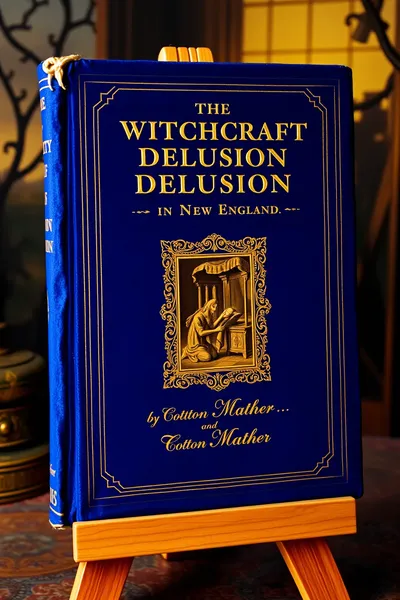

More by Mather, Cotton
All books →
From the “Witchcraft” Collection
View all →







More Free Witchcraft & Paganism Books
View all →