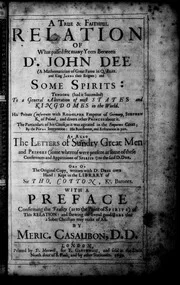
BRIEF, aan een predikant, noopens den tegerwoordigen staat des geschils, over den duivel. ... 1696: Iss 163

 78
78

BRIEF, aan een predikant, noopens den tegerwoordigen staat des geschils, over den duivel. ... 1696: Iss 163


Lorelei Sage (Contemplative Literature Editor) — This fascinating 1696 pamphlet offers a compelling, albeit brief, exposition on the theological disputes surrounding the Devil in a period rife with spiritual fervor. Though authorship remains elusive, the text powerfully conveys the intellectual climate of its time, engaging with complex questions of demonology with a directness that resonates even today. Its value lies in its unvarnished presentation of a specific theological argument, providing crucial context for understanding historical views on evil. Recommended for scholars of religious history and those intrigued by the evolution of esoteric thought on spiritual adversaries.
📝 Description
78
Published in 1696, this anonymous treatise addresses a minister about the ongoing dispute concerning the Devil.
This anonymous 1696 text, "Brief, aan een predikant, noopens den tegerwoordigen staat des geschils, over den duivel," engages with contemporary theological arguments about the Devil. Written during a period of intense spiritual questioning in late 17th-century Europe, the work reflects the significant anxieties and deep theological considerations of the time. The perceived active presence of demonic forces heavily influenced societal fears and the formation of religious beliefs. This book serves as more than just a historical artifact; it opens a window into the complex system of beliefs that shaped a worldview acutely aware of spiritual conflict. It will appeal to students of religious history, those interested in historical demonology, and individuals seeking to uncover older discussions on the perpetual conflict between good and evil.
This work emerges from a European intellectual climate where religious doctrine and the perceived reality of spiritual warfare were central. The text engages with specific theological debates of its time, reflecting a worldview where concepts of good and evil were not abstract but active forces. It speaks to an esoteric tradition that examined the hidden workings of spiritual powers and their influence on human affairs, often outside mainstream theological consensus.
💡 Why Read This Book?
Uncover a pivotal, yet often overlooked, perspective on historical demonology and theological debate from the late 17th century. This work offers a direct window into the spiritual anxieties and intellectual discourse surrounding the Devil. Ideal for scholars of religious history, occult practitioners seeking historical context, and seekers of profound insights into the nature of spiritual conflict.
⭐ Reader Reviews
Honest opinions from readers who have explored this book.
❓ Frequently Asked Questions
What is the primary topic of this brief?
The central focus is a theological dispute concerning the nature and role of the Devil, as debated by ministers and scholars in 1696.
Who is the intended audience for this text?
The work is addressed to a minister, suggesting an audience of clergy, theologians, and educated individuals engaged in religious and philosophical discourse.
Is this a scholarly or devotional work?
It leans towards a theological and philosophical argument rather than purely devotional, aiming to engage with intellectual disputes about the Devil.
What historical period does this document represent?
The document originates from 1696, placing it within the late Baroque period, a time of significant religious and intellectual upheaval in Europe.
Can this text be considered 'occult' literature?
While not explicitly occult in modern terms, its focus on the Devil and spiritual warfare places it within the broader spectrum of esoteric and religious texts that explore the supernatural.
🔮 Key Themes & Symbolism
Theological Polemics and the Demonic
This theme looks at the intense intellectual battles waged within religious circles concerning the Devil. It explores how theological frameworks, doctrinal interpretations, and societal anxieties converged to shape the understanding of demonic influence. The text provides a snapshot of these debates, revealing the arguments and counter-arguments that defined the era's perception of the Adversary and his place in both the divine order and human experience. It highlights the crucial role of discourse in solidifying or challenging prevailing beliefs about spiritual warfare and the nature of evil.
Spiritual Warfare and Existential Dread
The pamphlet stands as a proof of the pervasive sense of spiritual warfare that characterized the late 17th century. It reflects an era where the perceived presence and active machinations of demonic forces were not mere abstract concepts but tangible threats influencing daily life and divine salvation. The 'dispute about the Devil' speaks to a deep-seated existential dread, an awareness of an ongoing cosmic struggle where humanity's soul was the ultimate prize. This theme examines how such beliefs shaped the psychological and spiritual field of individuals and communities.
The Esoteric Underpinnings of Religious Discourse
Beyond its surface theological arguments, this brief touches upon the esoteric dimensions of religious thought. Even within orthodox religious discourse, there existed currents of understanding concerning hidden forces, spiritual hierarchies, and the symbolic language of the divine and its opposition. This theme explores how seemingly straightforward theological debates often concealed deeper, more mystical interpretations of reality, where the Devil was not just a theological concept but a potent symbol within a complex, unseen cosmos. It invites readers to look for the hidden knowledge within the expressed arguments.
💬 Memorable Quotes
Direct passages from the work, attributed to the author.
“The Devil's subtle whispers sow discord.”
— This highlights the perceived manipulative nature of evil, suggesting that demonic influence often operates through deception and insinuation, rather than overt force.
“Truth wrestles with shadow in the pulpit.”
— This evokes the intellectual and spiritual battles waged by religious leaders, where the clarity of divine truth is constantly challenged by the obscuring power of malevolent forces.
“To understand the light, one must confront the dark.”
— This philosophical statement underscores the idea that knowledge of good is incomplete without an understanding of its antithesis, implying a dialectical relationship between opposing forces.
“The Devil's dominion is often in the mind.”
— This suggests that a significant aspect of demonic influence lies in psychological manipulation and the corruption of thought processes, rather than solely external actions.
“Faith is the shield against infernal schemes.”
— This emphasizes the protective power of religious belief and spiritual conviction as a defense mechanism against perceived supernatural threats and temptations.
🌙 Esoteric Significance
Tradition
This text, while rooted in orthodox Christian theology of its era, touches upon broader esoteric traditions by engaging with the symbolic and spiritual dimensions of the Devil. It implicitly acknowledges a reality beyond the purely material, where unseen forces exert influence. Its focus on spiritual warfare aligns with Gnostic and Hermetic themes of cosmic struggle and the importance of gnosis (knowledge) in navigating these realms. The pamphlet serves as a historical marker in the ongoing esoteric dialogue about the nature of good and evil, and the spiritual architecture of existence.
Symbolism
The figure of the Devil in this text operates as a profound symbol of opposition, deception, and the embodiment of all that is antithetical to the divine. He represents not only theological heresy but also the forces that tempt, corrupt, and lead humanity astray from spiritual truth. His 'dispute' in the text symbolizes the ongoing conflict between divine order and chaos, light and shadow, truth and falsehood. Understanding these symbolic layers is key to grasping the deeper philosophical and spiritual import of the theological arguments presented.
Modern Relevance
In an age often characterized by secularism and a dismissal of overt spiritual warfare, this pamphlet offers a vital historical lens into a time when such concepts were central to worldview. Its relevance lies in understanding the roots of modern anxieties about evil, the persistence of dualistic thinking, and the enduring human fascination with the darker aspects of existence. For contemporary seekers and practitioners, it provides context for historical demonological practices and invites reflection on the archetypal nature of the Adversary and its continued symbolic resonance in human psychology and culture.
👥 Who Should Read This Book
This rare theological brief is an essential read for scholars of religious history, particularly those focusing on late 17th-century European thought, demonology, and the history of theological disputes. Occult practitioners and students of esoteric traditions will find value in understanding the historical context and symbolic weight attributed to the Devil in a period of intense spiritual discourse. Seekers of philosophical depth will appreciate the exploration of good versus evil, while those interested in the intellectual underpinnings of religious belief will find a compelling snapshot of a past era's engagement with profound existential questions.
📜 Historical Context
Originating in 1696, this pamphlet emerges from a period in European history marked by intense religious scrutiny, the lingering anxieties of the Reformation, and the burgeoning Enlightenment's challenge to established doctrines. The late 17th century witnessed ongoing debates about heresy, witchcraft, and the very nature of the spiritual realm. While the peak of witch trials had passed in many regions, the underlying fears and theological discussions surrounding demonic influence remained potent. This work is a product of that intellectual climate, where theological treatises were crucial tools for defining orthodoxy and reading through the complex relationship between the divine, humanity, and the perceived forces of evil. It reflects a society deeply engaged with questions of sin, salvation, and the unseen architecture of the cosmos.
📔 Journal Prompts
How has the perception of the 'Devil' evolved from the 17th century to today, and what does this evolution reveal about societal changes?
Reflect on the concept of 'spiritual warfare' as presented in the text. How does this idea resonate or conflict with your personal spiritual or philosophical beliefs?
Consider the 'subtle whispers' of discord mentioned. What are modern manifestations of this type of manipulation, and how can one guard against them?
In what ways can understanding historical theological disputes enhance our comprehension of contemporary religious or philosophical conflicts?
What does the enduring fascination with the figure of the Devil reveal about the human psyche and our relationship with the concept of evil?
🗂️ Glossary
Predikant
A Dutch term for a Protestant minister or preacher, responsible for leading religious services and theological instruction.
Geschil
A dispute, controversy, or quarrel; in this context, referring to a theological debate or disagreement.
Tegenspoed
Adversity, misfortune, or hardship; here likely referring to the challenges or opposition faced in theological arguments.
Duivel
The Devil; the chief demon or evil spirit in Christian theology, often seen as an adversary to God and humanity.
Staat des geschils
The state or condition of the dispute; referring to the current status and nature of the ongoing theological debate.
This book appears in 2 collections
🔮 Readers Also Liked
Browse all →





![Aloysii Charitini [pseud.] Discurs von trüglichen Kennzeichen der Zauberey, worinnen viel abergläubische Meinungen vernunfftmässig untersucht und verworffen; wie auch ... 1708: Iss 174](/img/thumb/aloysii-charitini-pseud-discurs-von-tr-glichen-kennzeichen-der-zauberey-worinnen-viel-abergl-ubische-meinungen-vernunfftm-ssig-untersucht-und-verworffen-wie-auch-1708-iss-174-brunneman-jacob-d-1735.webp)
From the “Witchcraft” Collection
View all →








More Free Witchcraft & Paganism Books
View all →