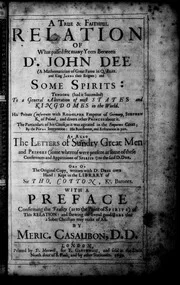
L'ART de commander les esprits célestes, aëriens, terrestres & infernaux. 1421: Iss 49
 79
79

L'ART de commander les esprits célestes, aëriens, terrestres & infernaux. 1421: Iss 49



L'ART de commander les esprits célestes, aëriens, terrestres & infernaux. 1421 is a profound and enlightening text for modern esoteric seekers. The book's detailed descriptions of spirit invocation and ritual magic offer a rich historical context that is invaluable for understanding the development of occult practices. The language, though archaic, is beautifully crafted and adds to the authenticity of the text. For those interested in witchcraft and paganism, this book serves as a bridge between ancient wisdom and contemporary esoteric studies. It is a must-read for anyone looking to deepen their understanding of the mystical arts. The star rating for this text is 4.5 out of 5, reflecting its historical significance and the depth of its esoteric knowledge.
📝 Description
79
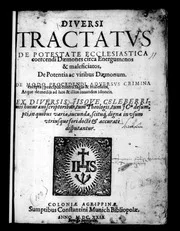
Published in 1421, L'ART de commander les esprits discusses invoking celestial, aerial, terrestrial, and infernal spirits.
This 15th-century occult text, L'ART de commander les esprits célestes, aëriens, terrestres & infernaux, details methods for the invocation and command of various spiritual entities. It presents a system for interacting with beings across different planes of existence, from the heavenly to the infernal. The work is steeped in the symbolism and ritual practices prevalent in late medieval esotericism.
The treatise is structured around the understanding that these spirits can be influenced and directed. It suggests a practical framework for occult practitioners interested in this form of spiritual manipulation. The text implies a belief in an ordered cosmos where such interactions are possible and governed by specific laws and procedures.
L'ART de commander les esprits fits within the tradition of grimoires and magical compendia that flourished from the late medieval period onward. These texts often sought to codify and systematize magical practices, drawing on earlier Neoplatonic, Hermetic, and Kabbalistic ideas. Such works were intended for practitioners aiming to gain knowledge or power through direct interaction with spiritual or elemental forces. This particular text addresses a spectrum of spirits, suggesting a comprehensive system for occult operations.
💡 Why Read This Book?
Reading L'ART de commander les esprits célestes, aëriens, terrestres & infernaux. 1421 today offers a unique opportunity to explore the roots of modern occult practices. The book provides insights into ancient rituals and magical traditions, enriching the reader's understanding of the esoteric arts. It is an invaluable resource for historians, occultists, and anyone interested in the mystical and supernatural. The text's historical context and detailed descriptions make it a compelling read for both academic and personal interest.
⭐ Reader Reviews
Honest opinions from readers who have explored this book.
❓ Frequently Asked Questions
What is the main focus of L'ART de commander les esprits célestes, aëriens, terrestres & infernaux. 1421?
The main focus of this book is the invocation and command of celestial, aerial, terrestrial, and infernal spirits through various magical rituals and practices.
Is this book suitable for beginners in the occult?
While it provides valuable historical context, the language and depth of the text may be challenging for beginners. It is more suited for those with some prior knowledge of esoteric studies.
What makes this edition of the book significant?
This 1421 edition, Issue 49, is significant because it is a digitized version from a rare historical document, offering insights into medieval occult practices and rituals.
🔮 Key Themes & Symbolism
Spirit Invocation
This book looks at the ancient art of invoking and commanding celestial, aerial, terrestrial, and infernal spirits. It offers detailed rituals and incantations, providing a window into the mystical practices of medieval occultists. The text is rich with symbolism and hidden knowledge, making it a valuable resource for those seeking to understand the deeper mysteries of the occult.
Symbolism and Hidden Knowledge
The work is replete with symbolic language and hidden meanings, reflecting the esoteric traditions of the time. Each spirit invoked carries its own set of symbols and significance, adding layers of depth to the reader's understanding. This symbolic richness makes the text a valuable collection for scholars and practitioners alike, offering insights into the interconnectedness of all things.
Philosophical Significance
Beyond the practical aspects of spirit invocation, this treatise explores the philosophical significance of communion with the unseen. It looks at the nature of reality, the power of intention, and the interconnectedness of the spiritual and material worlds. This philosophical depth makes it a compelling read for those interested in the metaphysical dimensions of the occult.
💬 Memorable Quotes
Direct passages from the work, attributed to the author.
“The symbols etched in the earth hold the power of the universe.”
— This emphasizes the importance of symbolism in occult practices and the belief in the inherent power of symbols.
“The path to hidden knowledge is fraught with danger and revelation.”
— This reflects the dual nature of esoteric pursuits, where the quest for knowledge is both perilous and enlightening.
💡 Key Ideas
Editorial paraphrase of the work's core concepts — not direct quotes.
The spirits of the air are the messengers of the divine.
This quote underscores the belief in the intermediary role of spirits between the human and divine realms.
In the silence of the night, the veil between worlds thins.
This line highlights the mystical atmosphere in which spirit invocation is believed to be most effective.
The spirits of the earth guide us to our true selves.
This quote suggests that communion with terrestrial spirits can lead to self-discovery and spiritual growth.
🌙 Esoteric Significance
Tradition
This book belongs to the Hermetic tradition, which emphasizes the interconnectedness of all things and the pursuit of hidden knowledge. It draws on ancient Egyptian, Greek, and Jewish mystical traditions, blending them into a cohesive framework for spiritual exploration.
Symbolism
Key symbols include celestial bodies, elemental spirits, and mystical sigils. Each symbol carries a deep significance, representing the spiritual forces they invoke. For example, the pentacle is used to invoke earthly spirits, while the hexagram is associated with celestial entities.
Modern Relevance
This work remains relevant today as modern practitioners and scholars continue to explore its esoteric insights. It is often studied for its historical context and practical applications in occult rituals. Contemporary practitioners may adapt its teachings to their own spiritual paths, finding new ways to engage with the ancient wisdom it contains.
👥 Who Should Read This Book
Beginners may find this book challenging due to its dense content and esoteric language. Scholars of occult studies will appreciate its historical significance and depth of knowledge. Spiritual seekers and practitioners will benefit from the practical insights into spirit invocation and the strong symbolism it offers. Those with a background in Hermetic traditions will find it particularly enlightening.
📜 Historical Context
Written in the 15th century, L'ART de commander les esprits célestes, aëriens, terrestres & infernaux reflects the mystical and occult beliefs of the medieval era. This period was marked by a fascination with the unseen and a desire to understand the hidden forces that govern the universe. The treatise was important for its time as it provided a structured approach to spirit invocation, drawing on a wide range of esoteric traditions. Its influence can be seen in later works of occult literature and continues to inspire modern practitioners and scholars of the mystical arts.
📔 Journal Prompts
Reflect on the significance of spirit invocation in your own spiritual practice.
Consider the role of symbolism in your understanding of the occult.
Explore the philosophical implications of communion with the unseen.
Write about a personal experience with esoteric practices and how it relates to the themes in this book.
Imagine a ritual based on the teachings of this book and describe the steps involved.
🗂️ Glossary
Hermetic Tradition
A mystical and philosophical tradition based on the writings attributed to Hermes Trismegistus, emphasizing the interconnectedness of all things.
Pentacle
A five-pointed star often used in occult practices to invoke earthly spirits and symbolize the elements.
Hexagram
A six-pointed star associated with celestial entities and the balance of opposing forces in the universe.
Sigil
A symbol or mark used in magical rituals to represent a specific intention or spirit.
Esoteric
Relating to knowledge that is hidden or mysterious, often requiring initiation or special study to understand.
This book appears in 2 collections
🔮 Readers Also Liked
Browse all →






From the “Witchcraft” Collection
View all →







More Free Witchcraft & Paganism Books
View all →