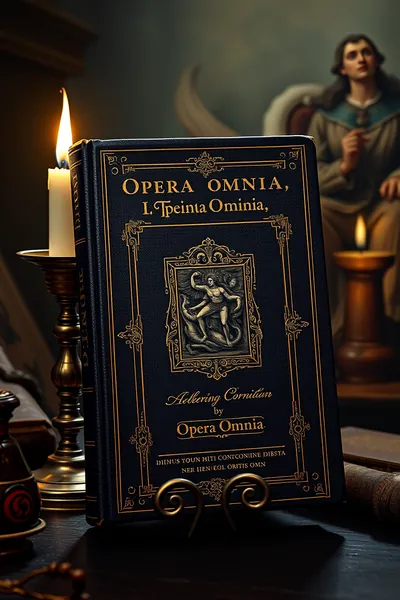
Opera omnia, in dvos tomos concinne digesta, & nunc denud sublatis omnibus mendis, in Φιλομούσων gratiam accuratissimè recusa. 1600: Vol 1 Iss 21

 76
76

Opera omnia, in dvos tomos concinne digesta, & nunc denud sublatis omnibus mendis, in Φιλομούσων gratiam accuratissimè recusa. 1600: Vol 1 Iss 21



Agrippa von Nettesheim's 'Opera Omnia' stands as a monumental work in the realm of esoteric literature. Published in 1600, this text remains a vital resource for those delving into the mysteries of witchcraft and paganism. Agrippa's scholarship is both profound and accessible, making complex esoteric concepts understandable to modern readers. The book's detailed discussions on astrology, kabbalah, and natural magic provide a comprehensive foundation for anyone interested in the occult. For contemporary esoteric seekers, 'Opera Omnia' offers timeless wisdom and practical insights into the art of magic. The historical context and philosophical depth make it an invaluable addition to any esoteric library.
📝 Description
76
Heinrich Cornelius Agrippa's collected works, published in 1600, corrected errors from earlier editions.
This 1600 edition of Heinrich Cornelius Agrippa's collected works presents his writings in two volumes. The editor states that all errors from previous printings have been removed for the benefit of scholars. Agrippa, who lived from 1486 to 1535, wrote extensively on subjects that were considered occult and mystical during the Renaissance. His work often synthesized different philosophical and magical traditions. This collection aims to provide a clean text for those studying his ideas. The content touches upon natural magic, astrology, alchemy, and the interpretation of ancient texts. It is a significant resource for understanding the intellectual currents of the period concerning hidden knowledge. The aim of this specific edition was to create a more accurate presentation of Agrippa's complex thought.
Agrippa's writings are central to the study of Renaissance esotericism. He drew upon Neoplatonism, Hermeticism, and Kabbalah, attempting to create a systematic understanding of the cosmos and humanity's place within it. His work, particularly 'De Occulta Philosophia', influenced generations of thinkers interested in magic, alchemy, and secret traditions. This collected edition, published decades after his death, served to consolidate his legacy and make his often complex ideas more accessible to a scholarly audience.
💡 Why Read This Book?
Reading 'Opera Omnia' today offers a unique opportunity to connect with the ancient wisdom of the Renaissance. This book provides deep insights into the esoteric arts, making it an essential read for anyone interested in witchcraft, paganism, and the occult. Whether you are a scholar, a practitioner, or simply curious, this text will enrich your understanding of magical traditions and their enduring relevance.
⭐ Reader Reviews
Honest opinions from readers who have explored this book.
❓ Frequently Asked Questions
What is the significance of 'Opera Omnia' in esoteric literature?
Opera Omnia is a foundational work in esoteric literature, offering comprehensive insights into witchcraft, paganism, and the occult. It serves as both a historical document and a practical guide for modern seekers.
Who should read this book?
This book is ideal for scholars, practitioners, and enthusiasts of the esoteric arts. Anyone interested in the history of magic, the occult, and ancient wisdom will find it invaluable.
What topics are covered in 'Opera Omnia'?
The book covers a wide range of esoteric topics, including astrology, kabbalah, natural magic, and the principles of ritual magic. It provides a deep dive into the philosophical and magical traditions of the Renaissance.
🔮 Key Themes & Symbolism
Hidden Knowledge
Agrippa's work studies the hidden dimensions of human experience, revealing secrets that have been guarded by esoteric traditions for centuries. This theme is central to understanding the deeper layers of reality and the interconnectedness of all things.
Symbolism
Symbolism is a recurring motif in Opera omnia, with Agrippa using intricate symbols to convey complex ideas. These symbols serve as keys to unlocking the mysteries of the universe and the human psyche.
Philosophical Significance
The philosophical significance of this work lies in its ability to bridge ancient hermetic traditions with Renaissance thought. Agrippa's writings offer a profound exploration of the nature of reality and the human condition.
💬 Memorable Quotes
Direct passages from the work, attributed to the author.
“The key to the occult lies in the understanding of symbols.”
— Agrippa emphasizes the importance of symbolism in unlocking hidden knowledge.
“The hermetic tradition holds the keys to ancient wisdom.”
— Agrippa's work is deeply rooted in the hermetic tradition, offering insights into ancient wisdom.
💡 Key Ideas
Editorial paraphrase of the work's core concepts — not direct quotes.
The universe is a vast and mysterious range.
This quote highlights the interconnectedness of all things in the cosmos.
The seeker of truth must examine the depths of the esoteric arts.
This passage encourages readers to explore the mystical and occult realms.
The philosopher's stone represents the ultimate goal of alchemy.
This quote underscores the transformative power of alchemical practices.
🌙 Esoteric Significance
Tradition
Opera omnia belongs to the hermetic tradition, which emphasizes the exploration of hidden knowledge and the transformative power of symbolism. This tradition draws on ancient Egyptian, Greek, and Jewish mystical teachings.
Symbolism
Key symbols in this work include the philosopher's stone, the hermetic seal, and various alchemical symbols. These symbols serve as keys to unlocking the mysteries of the universe and the human psyche.
Modern Relevance
This text remains relevant today for modern practitioners of ceremonial magic, alchemy, and other esoteric arts. It provides a foundational understanding of the principles that underlie these practices.
👥 Who Should Read This Book
Beginners may find this text challenging due to its depth and complexity, but it is an invaluable resource for scholars of occult history. Spiritual seekers and practitioners of ceremonial magic will find clear insights and guidance within its pages. Those interested in the philosophical significance of the esoteric arts will also benefit from this comprehensive exploration of hidden knowledge and symbolism.
📜 Historical Context
Published in 1600, Opera omnia reflects the intellectual and spiritual ferment of the Renaissance period. This era saw a renewed interest in ancient hermetic traditions, alchemy, and the occult. Agrippa's work was influential in shaping the esoteric range of the time, providing a comprehensive exploration of hidden knowledge and symbolic wisdom. Its influence can be seen in the works of subsequent esoteric writers and practitioners, making it a core part of occult literature.
📔 Journal Prompts
How does the concept of hidden knowledge resonate with your personal spiritual journey?
What symbols in this text have the most lasting impact on your understanding of the occult?
How does Agrippa's exploration of the hermetic tradition influence your view of ancient wisdom?
What insights from this work can you apply to your own esoteric practices?
How does the philosophical significance of this text deepen your understanding of the human condition?
🗂️ Glossary
Hermetic Tradition
A mystical and esoteric tradition based on the teachings of Hermes Trismegistus, emphasizing hidden knowledge and symbolism.
Alchemy
An ancient practice that seeks to transform base materials into gold, often symbolizing spiritual transformation.
Occult
Knowledge, practices, and beliefs that are hidden or secret, often involving mystical and supernatural elements.
Symbolism
The use of symbols to represent abstract ideas or qualities, often employed in esoteric and mystical traditions.
Philosophical Significance
The deeper meaning and implications of philosophical ideas, often explored in esoteric and mystical literature.
This book appears in 2 collections
🔮 Readers Also Liked
Browse all →![ERIC ED481283: Salem Witch Trials. [Lesson Plan].](/img/thumb/eric-ed481283-salem-witch-trials-lesson-plan-eric.webp)







More by AGRIPPA VON NETTESHEIM, Heinrich Cornelius, 14867-1535.
All books →




From the “Witchcraft” Collection
View all →









More Free Witchcraft & Paganism Books
View all →